Batana oil shampoo sounds like the easy version of the viral hair oil trend: no jar, no greasy hands, no standing in the bathroom wondering if you used too much.
That is the appeal.
But shampoo is a rinse-off product. Even if it contains Batana oil, it will not behave the same way as pure Batana oil left on the hair before washing. So the better question is not “Is Batana oil shampoo magical?” It is: does this format make sense for your hair?
For many people, Batana oil shampoo can be a nice moisturizing wash-day product. Pure Batana oil is better when your hair needs a deeper pre-shampoo treatment.
First, What Should You Expect To Pay?
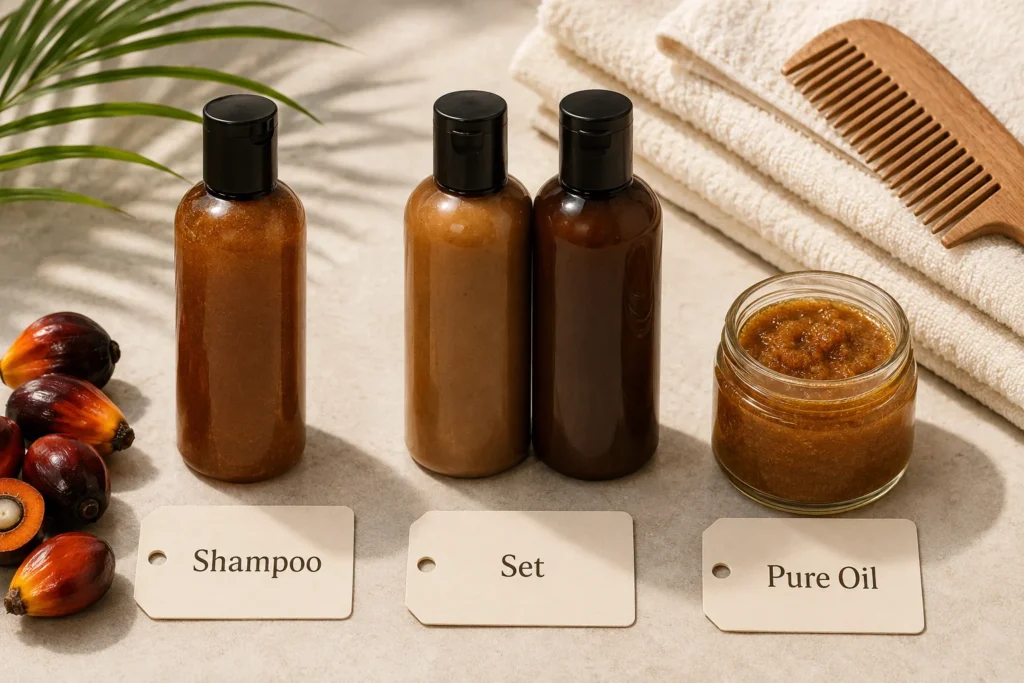
Prices vary because Batana oil is trending, and trend ingredients tend to invite creative pricing. Some products are simple shampoos with Batana oil added. Others are sold as full “growth” systems with shampoo, conditioner and oil.
| Product type | What to expect | Best for |
|---|---|---|
| Batana oil shampoo | Usually priced like a mid-range moisturizing shampoo | Easy routine, lighter use |
| Batana oil shampoo and conditioner | Higher cost than shampoo alone | Dry hair that needs softness after cleansing |
| Pure Batana oil | Often sold in jars, balms or small bottles | Pre-wash treatment, dry ends, thicker textures |
| “100% raw” or “pure” Batana oil | More buyer scrutiny needed | People who want the strongest oil effect |
Recent beauty coverage has mentioned affordable pure Batana oils, including InStyle’s coverage of an $18 raw Batana oil and Marie Claire’s review of a £9 raw Honduran Batana oil. Use those as examples, not fixed pricing. Product prices change fast.
My rule: don’t pay more just because the front label shouts “Batana.” Flip the bottle. The ingredient list is where the truth usually calms down.
What Does Batana Oil Shampoo Do?
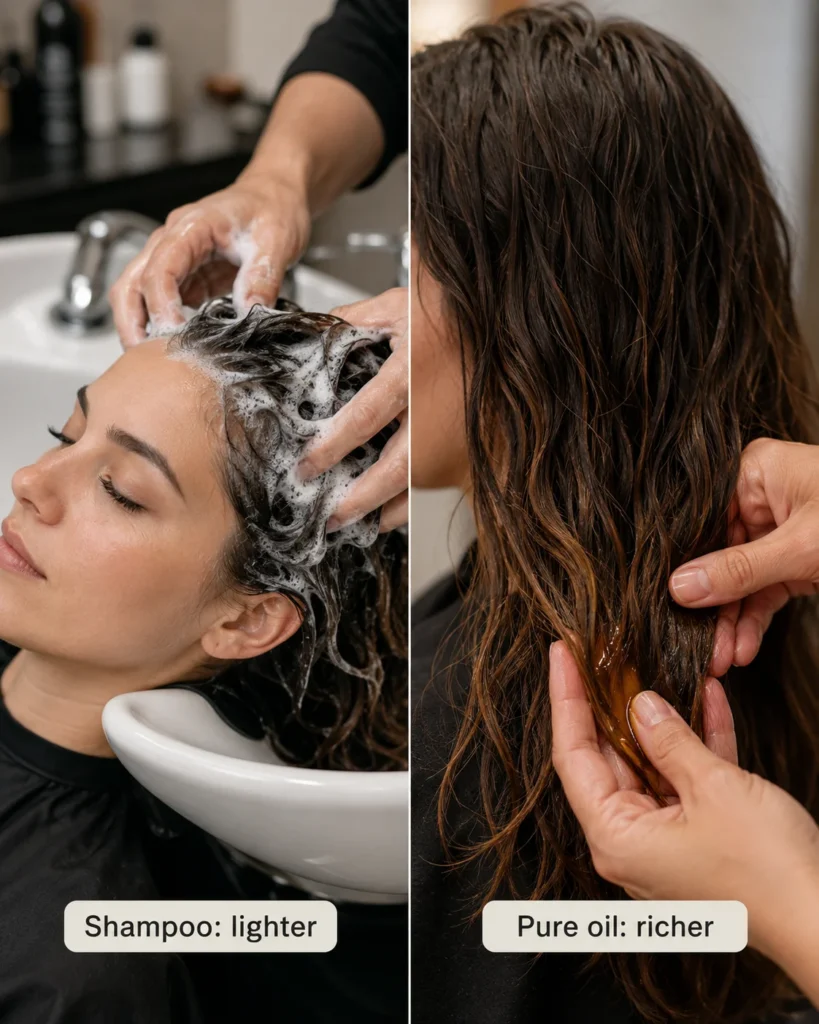
Batana oil shampoo cleanses the scalp and hair while adding some conditioning support from Batana oil and other ingredients in the formula.
It may help hair feel:
- softer after washing
- less rough at the ends
- smoother through the lengths
- easier to detangle
- less stripped than with a harsher shampoo
That is useful. It is also realistic.
What it probably will not do is give the same softening effect as pure Batana oil used as a pre-wash mask. Shampoo does not sit on the hair very long. It gets rinsed away, because that is its job.
Batana Oil Shampoo vs Pure Batana Oil
This is the decision most readers actually need.
| Choose Batana oil shampoo if… | Choose pure Batana oil if… |
|---|---|
| You want something easy | Your hair is very dry |
| Your hair gets weighed down quickly | Your hair is thick, coarse, curly or coily |
| You dislike oil treatments | Your ends feel brittle |
| You wash often | You want a pre-shampoo mask |
| You want a lighter effect | You have high-porosity hair that loses moisture fast |
Pure Batana oil is richer and more concentrated. Batana oil shampoo is cleaner, easier and less risky for buildup.
If your roots get greasy fast, start with shampoo rather than pure oil on the scalp. You may also want to read why hair gets greasy so quickly, because oiliness is not always solved by switching shampoos.
Who Is Batana Oil Shampoo Best For?
Batana oil shampoo makes the most sense for dry or frizz-prone hair that feels rough after washing.
It may suit:
- wavy hair
- curly hair
- coily hair
- color-treated hair
- heat-styled hair
- dry ends
- high-porosity hair
- hair that feels stripped after shampooing
It may not be ideal for:
- very fine hair
- oily roots
- low-porosity hair
- scalps that build up quickly
- dandruff-prone scalps
- fragrance-sensitive scalps
Low-porosity hair deserves a special mention. Heavy oils can sit on top of the strand instead of absorbing well, which leaves hair feeling coated. If your products often feel like they are just sitting there, check our guide to high vs low porosity hair before buying another rich formula.
Does Batana Oil Shampoo Help Hair Growth?
Not directly.
Batana oil may help dry hair feel softer and may reduce breakage if your strands are brittle. Less breakage can make hair look fuller or help you retain length better.
That is different from regrowing hair.
Health’s dermatologist-reviewed article notes that Batana oil is not backed by strong evidence as a hair-growth treatment. Vogue’s trichologist-led guide makes a similar point: Batana oil can nourish the hair shaft, but it should not be treated like a clinical regrowth product.
So if a shampoo says it will “grow hair fast,” be skeptical. If it says it can moisturize, soften or reduce the look of dryness, that is more believable.
What To Look For On The Label
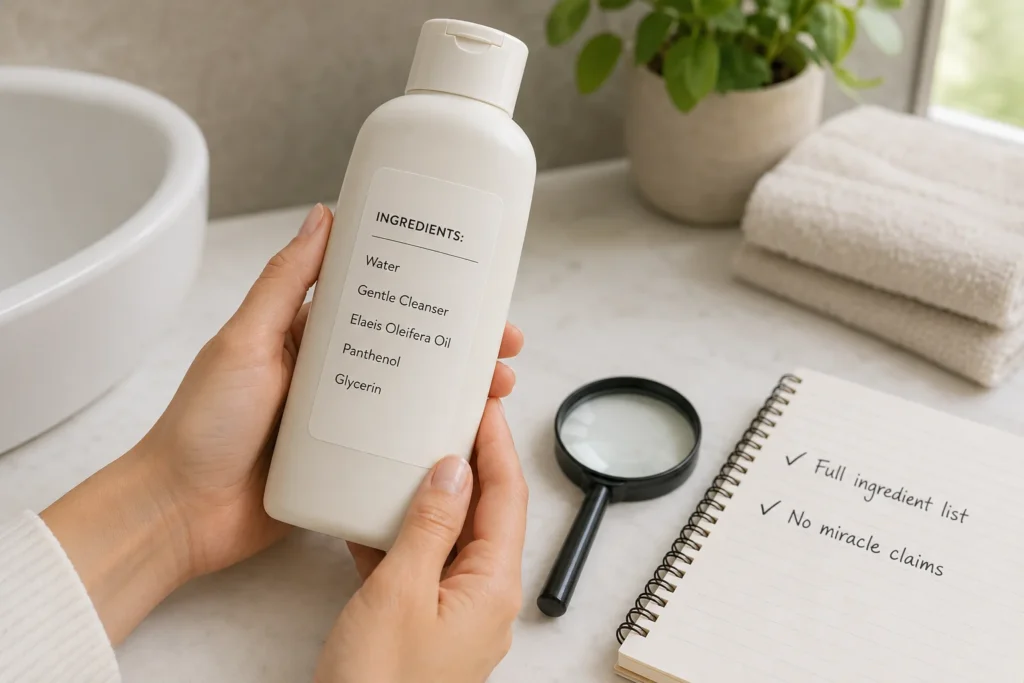
A good Batana oil shampoo should tell you what is actually inside.
Look for:
- Batana oil or Elaeis oleifera-related wording
- moisturizing ingredients like glycerin, panthenol or aloe
- conditioning agents if your hair tangles easily
- a full ingredient list
- realistic claims about softness, shine or moisture
Be cautious with:
- “100% Batana shampoo” wording, because shampoo cannot be 100% oil
- no ingredient list
- dramatic hair-growth promises
- fake-looking before-and-after photos
- heavy fragrance if your scalp reacts easily
- products claiming to reverse gray hair or cure alopecia
A shampoo can be good without pretending to be a medical treatment. Honestly, that is where most beauty products should stay.
How To Use Batana Oil Shampoo
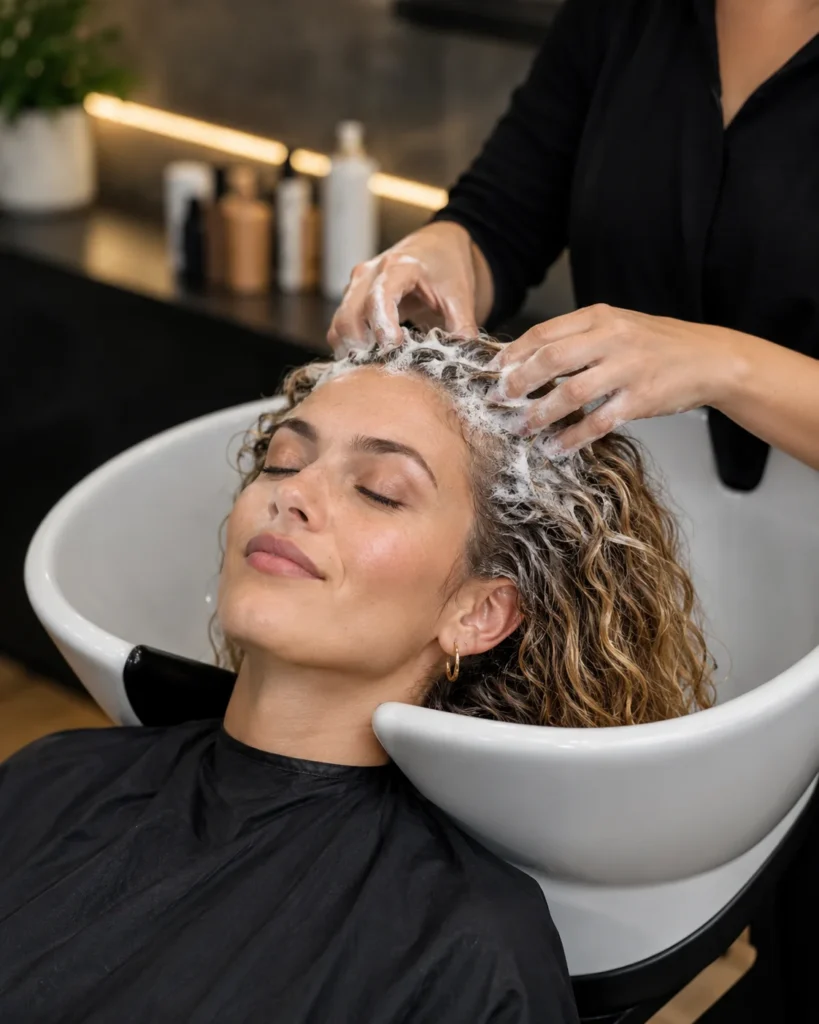
Use it like a moisturizing shampoo, not a scalp medicine.
- Wet your hair fully.
- Apply shampoo to the scalp first.
- Massage with fingertips, not nails.
- Let the lather move through the lengths.
- Rinse very well.
- Follow with conditioner if your ends feel dry.
- Clarify occasionally if your hair starts feeling coated.
If you already use gels, creams, leave-ins and oils, buildup can sneak in quietly. One day your curls look soft, and the next day they look like they have signed a contract with dullness. That is when a clarifying wash helps.
For frizz-prone hair, Batana oil shampoo can support the routine, but it is not the whole fix. Our guide on how to fix frizzy hair covers the bigger causes.
When Pure Batana Oil Is Better
Pure Batana oil is better if your hair needs a deeper treatment than shampoo can give.
Try it as a pre-wash treatment if your hair is:
- very dry
- coarse
- thick
- curly or coily
- high porosity
- damaged from heat or color
- rough at the ends
Start small. Warm a little oil between your palms, smooth it over the lengths, leave it for 20 to 60 minutes, then shampoo out.
I would not start with overnight scalp use. Some people like it, but oily, itchy or dandruff-prone scalps may not. A heavy oil sitting on the scalp for hours can be too much.
Who Should Be Careful?
Skip it or test carefully if your scalp already has problems.
Be cautious if you have:
- scalp acne
- greasy roots
- persistent itching
- dandruff
- seborrheic dermatitis
- very fine hair
- fragrance sensitivity
- low-porosity hair that gets coated quickly
If flakes are your main issue, Batana oil shampoo may make your hair feel nicer while doing very little for the scalp problem. For stubborn flakes, read why Nizoral may not be working for dandruff before layering on more oils.
So, Is Batana Oil Shampoo Worth It?
Yes, if you want a moisturizing shampoo and your hair likes richer formulas.
No, if you are buying it only because the label hints at dramatic hair growth.
Batana oil shampoo is best for dry, frizzy or textured hair that needs a softer wash. Pure Batana oil is better when you want a deeper pre-shampoo treatment. If the real issue is sudden shedding, bald patches, scalp pain or stubborn scaling, shampoo is not the full answer.
The clean version:
Batana oil shampoo can help hair feel softer. Pure Batana oil can condition more deeply. Neither should be sold as a miracle regrowth cure.