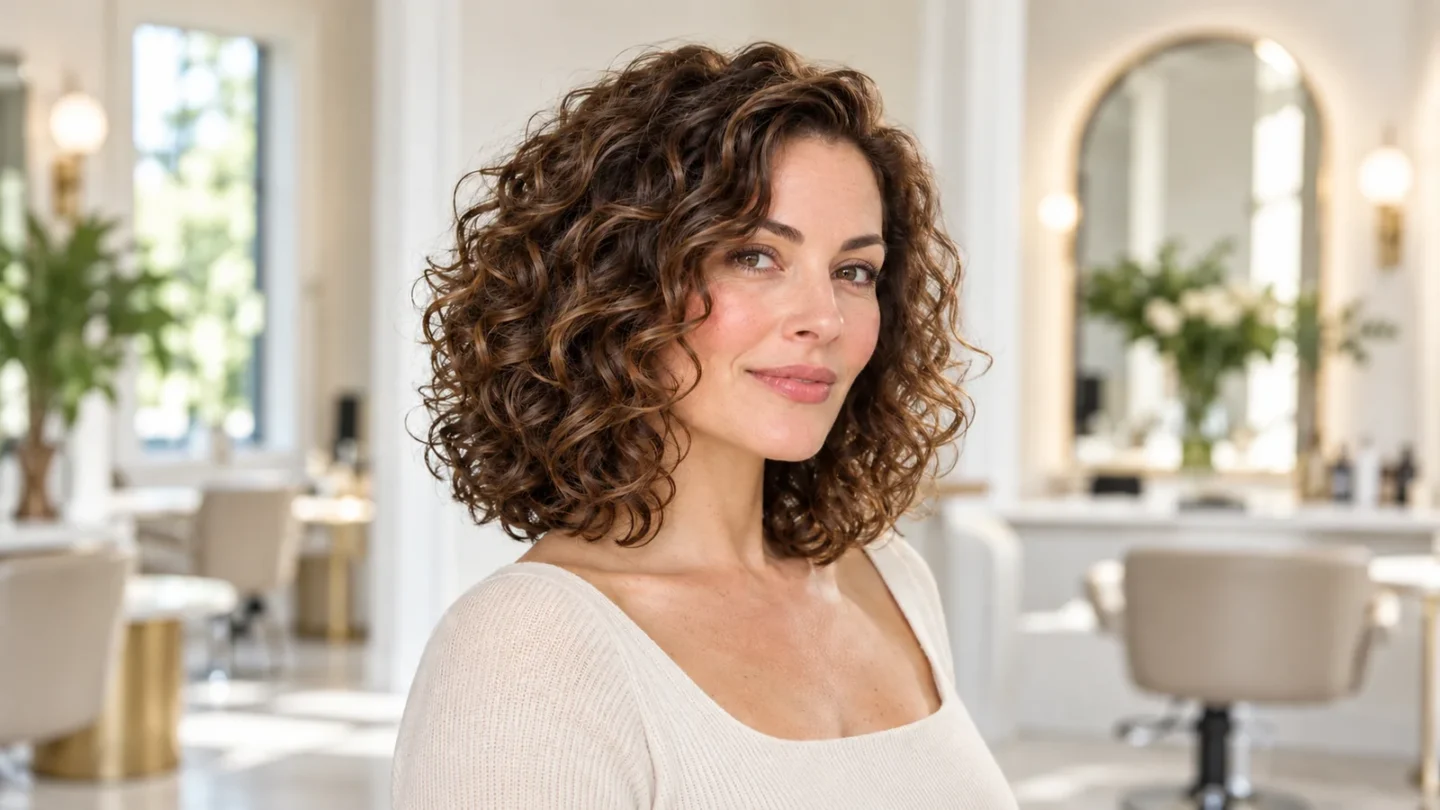
Fine curls can look full on wash day, then separate into a few small groups that expose every gap by the next morning. The usual advice is to “add layers for volume.” That can help, but only when your hair has enough density to support the hair being removed.
The strongest haircuts for fine curly hair usually protect a visible perimeter first, then add lift only where it changes the shape. Shorter is not automatically fuller. A chin-length bob, long pixie or collarbone lob can all work, but the safest choice depends on strand width, overall density, shrinkage and how much hair remains through your ends.
Fine, low-density or actively thinning?
Fine hair describes the width of each strand. Low density means fewer strands across the scalp. You can have fine but abundant curls, or coarse curls with visible spacing. Those situations should not receive the same layering plan.
Also separate the hair you have always had from a recent change. A haircut can redistribute visual weight, but it cannot treat hair loss. The American Academy of Dermatology lists a widening part, a smaller ponytail, gradual thinning, bald patches and sudden clumps of shedding among signs worth discussing with a dermatologist.
For the haircut decision, examine your hair dry in its normal part. Look at the bottom two inches, the crown and the areas beside your temples. If the ends already appear transparent, treat every new layer as hair borrowed from an edge that cannot spare much.
| Cut | Usually strongest for | Main risk |
|---|---|---|
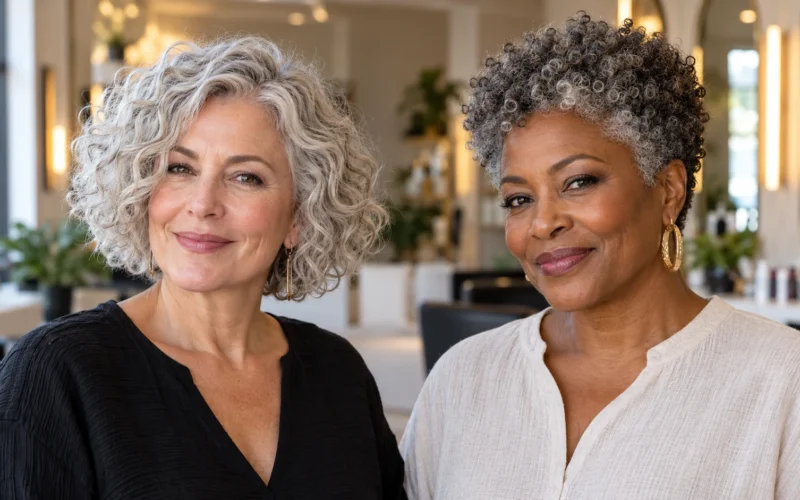
| Blunt curly bob | Low density or see-through ends | Unexpected shrinkage above the jaw |
| Asymmetrical curly bob | Fine curls that still form a solid edge | Short side becoming too light |
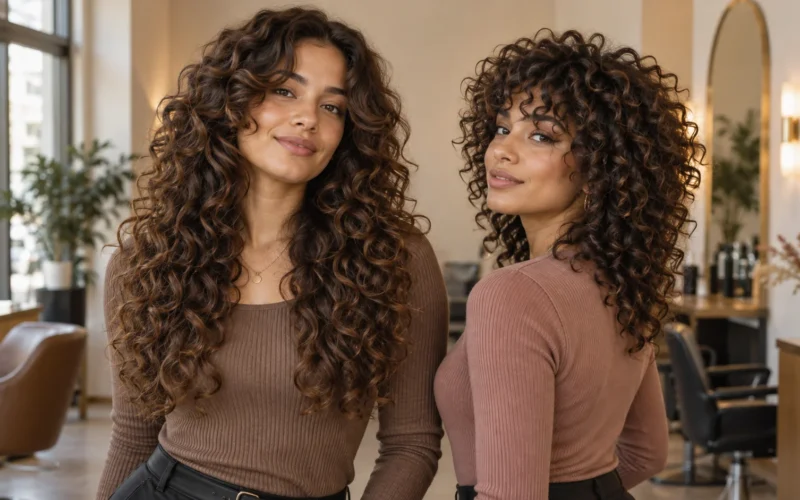
| Collarbone lob | Loose curls needing length and movement | Too many internal layers |
| Long U-shaped cut | Healthy coverage through long ends | A deep V creating a thin tail |
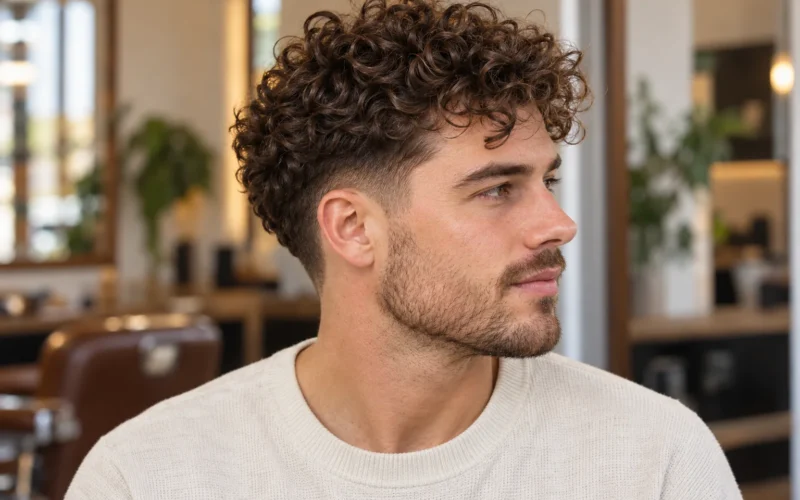
| Long-top curly pixie | Fine curls needing lift without wispy sides | Top cut too short to curl |
| Soft curly bixie | Fine to medium density and mixed texture | Weight collecting around the ears |
| Rounded tapered crop | Tight curls with enough crown coverage | Taper exposing lighter temples |
| Soft curly shag | Fine strands with medium or higher density | Layering a low-density perimeter away |
1. Blunt curly bob for a stronger bottom edge
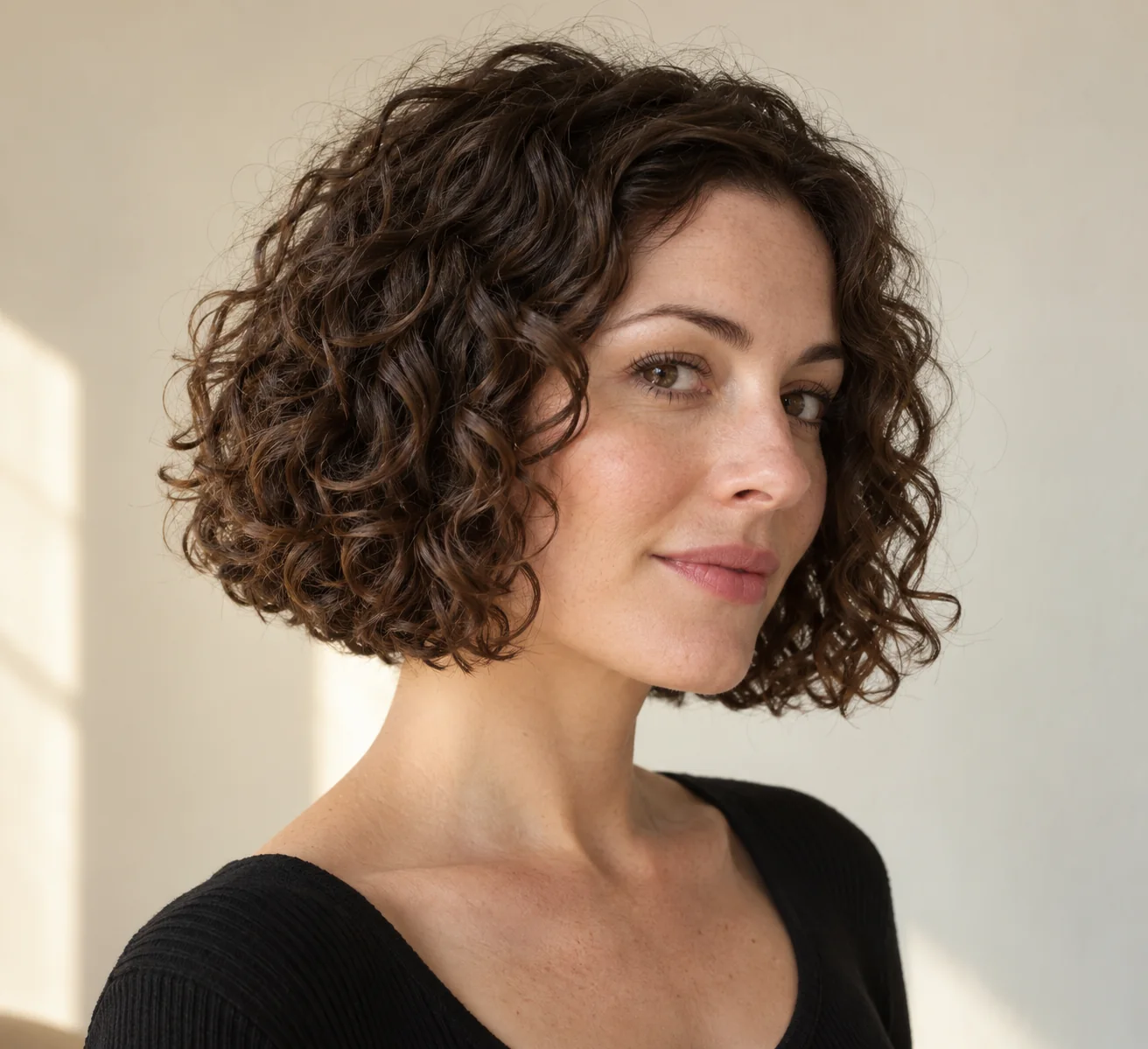
A softly blunt bob keeps more curl groups reaching the same general line, which can make thin ends look less scattered. It is often the safest starting point when previous layers have left the bottom transparent.
Ask for the finished dry length at or below the chin, minimal internal layering and no automatic thinning. The risk is shrinkage: a wet jaw-length guide can finish near the cheek if your underneath curls spring tightly.
2. Asymmetrical curly bob for shape without heavy layering
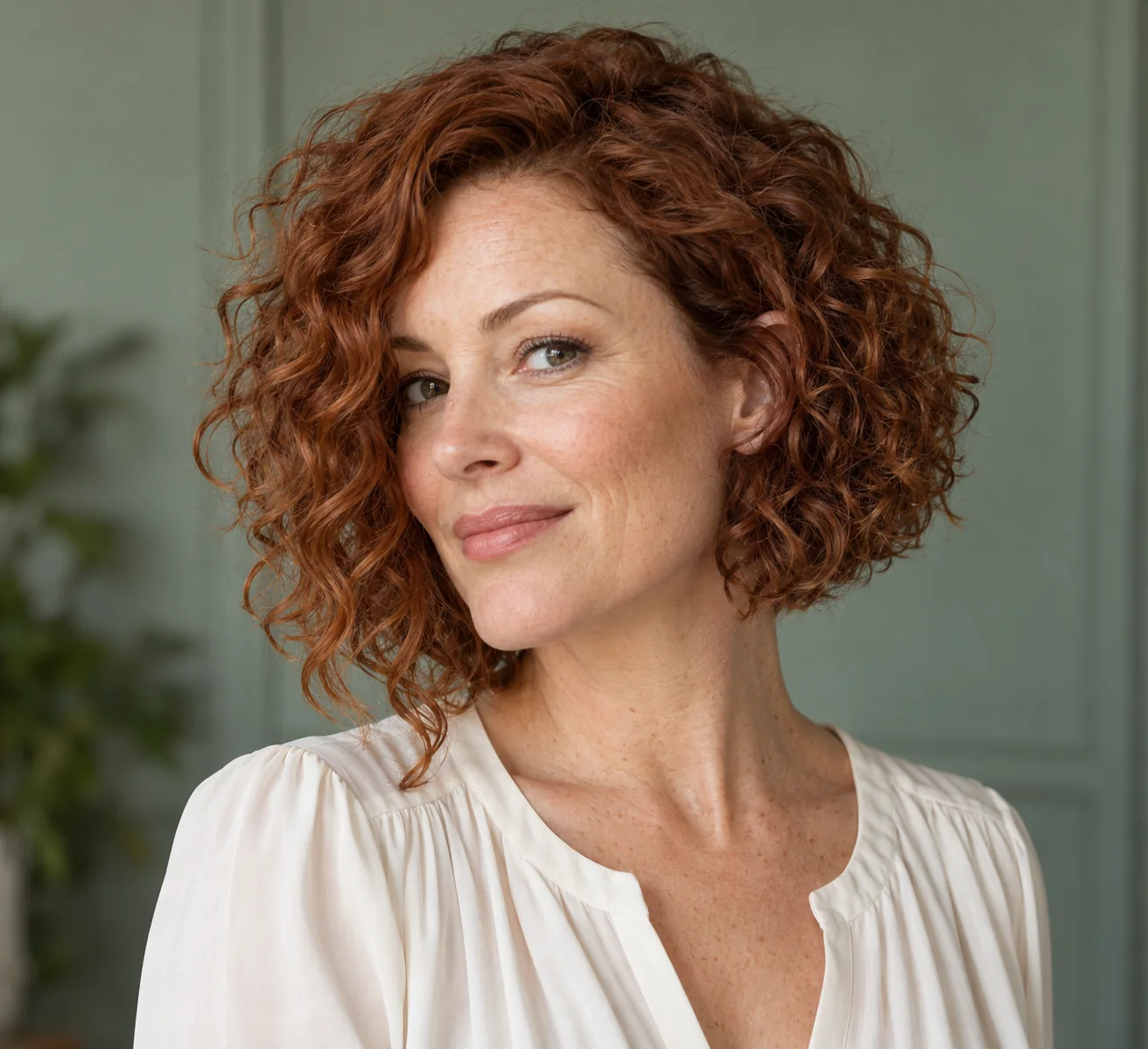
An asymmetrical bob creates interest through the outline instead of asking many short layers to manufacture volume. One side sits slightly longer, while the back and shorter side retain a clear edge.
This works best when your ends can still form a continuous perimeter. Ask the stylist to keep the difference deliberate but modest. A dramatic short side may reveal more scalp than the reference photo suggests.
3. Collarbone curly lob with restrained internal lift

A lob preserves tying length and a substantial bottom line while removing enough weight to stop loose curls from hanging flat. The useful version has long, connected layers, not short pieces scattered through the entire interior.
Ask where the shortest layer will land when dry and how much hair will remain at the collarbone. If the answer is vague, protect the perimeter and add less movement on the first appointment.
4. Long U-shaped cut when the ends still have coverage
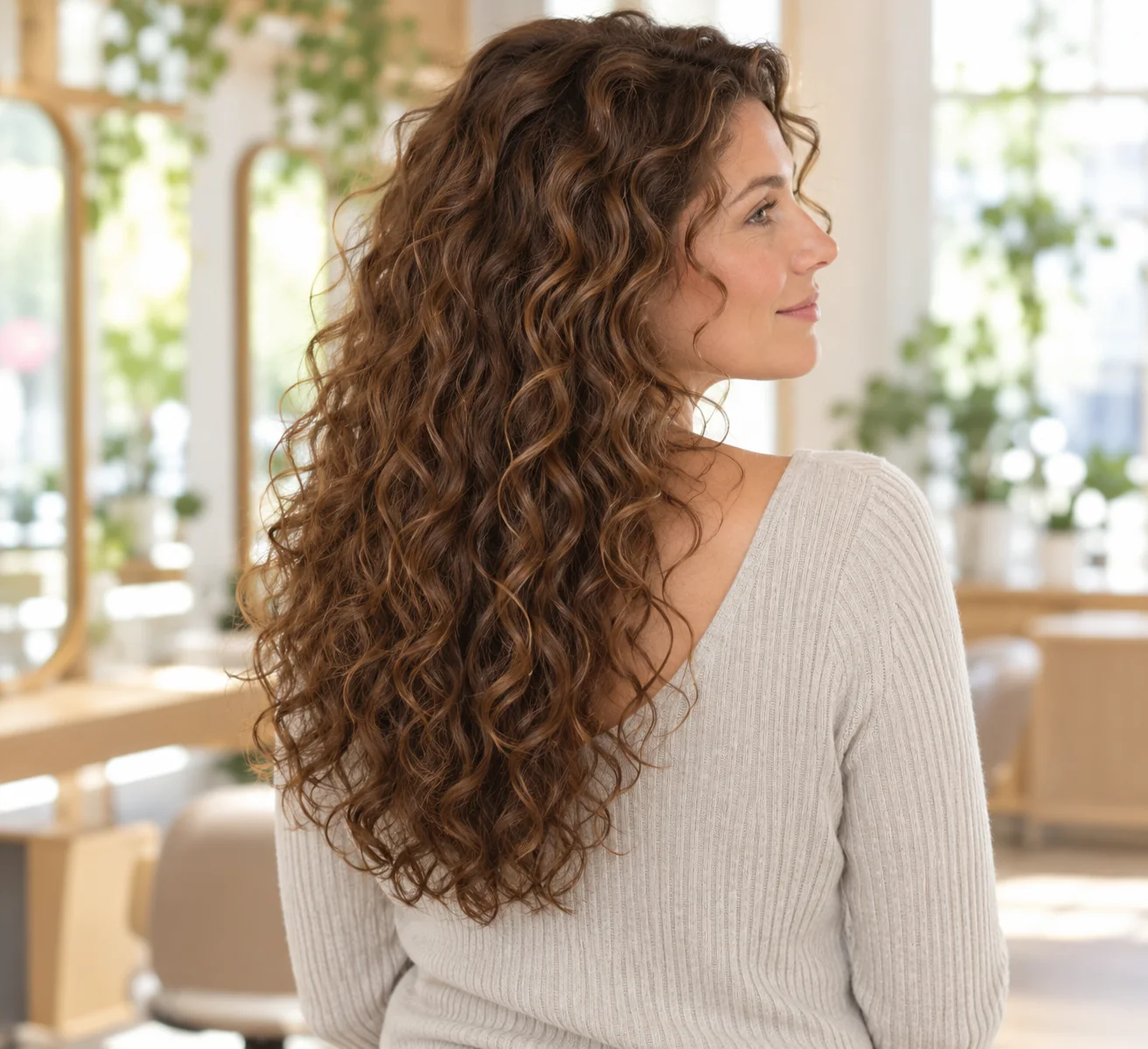
You do not have to cut fine curls short if the lower lengths still look healthy and connected. A shallow U removes tired corners while keeping more hair through the center than a dramatic V shape.
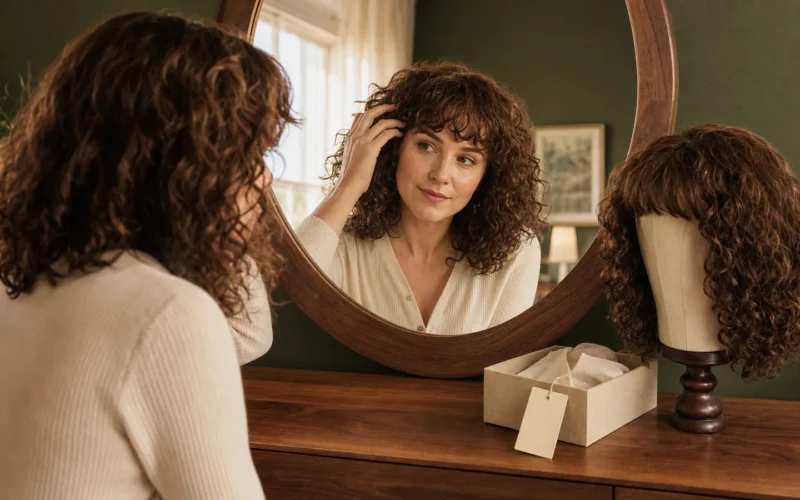
Use face-framing pieces sparingly and keep them long enough to rejoin the silhouette. If you want to compare the overall length before committing, our guide to previewing a curly haircut explains what a digital mockup can and cannot predict.
5. Long-top curly pixie for lift without wispy ends
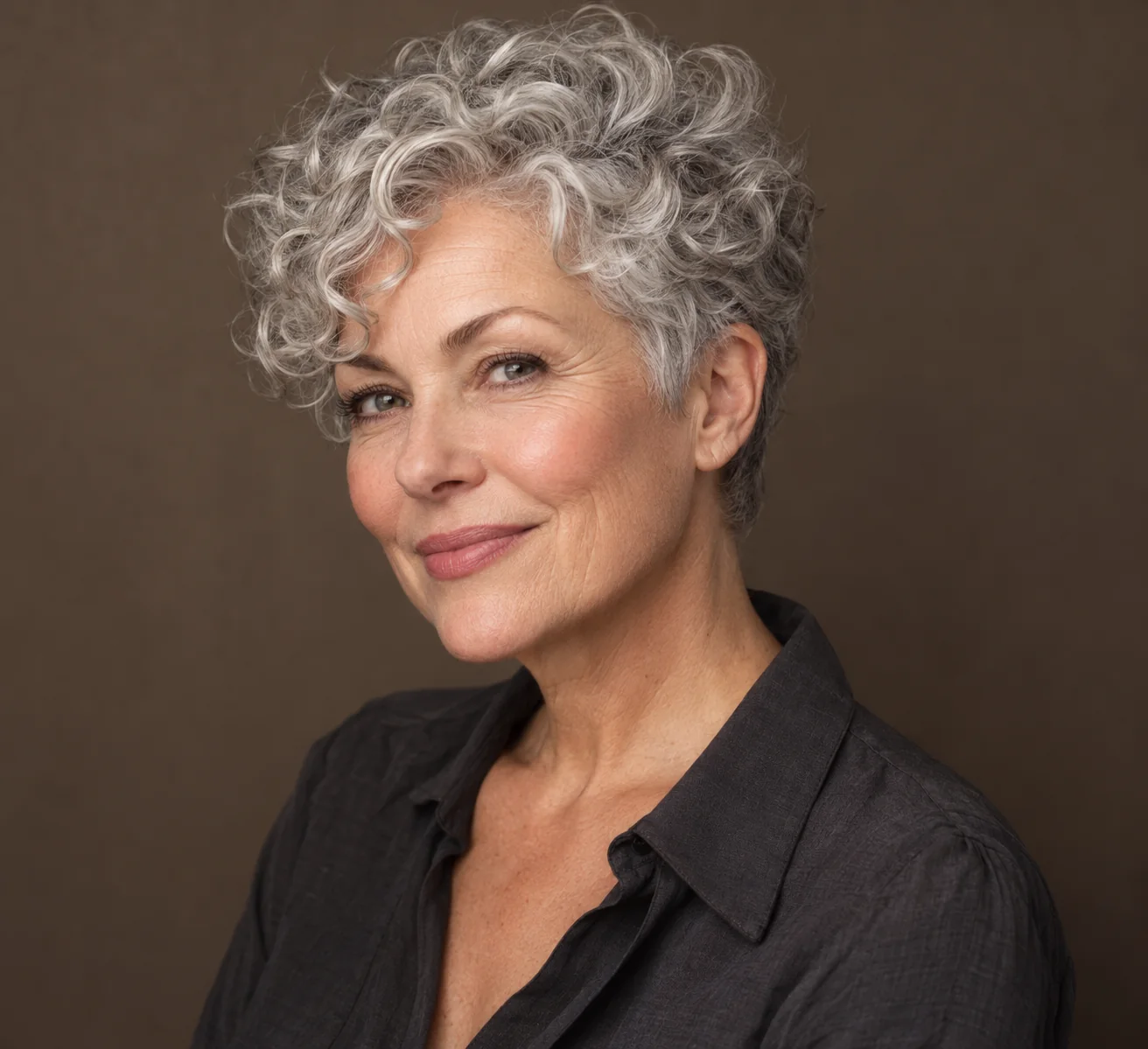
A long-top pixie removes the thin-looking perimeter entirely and concentrates the available curl around the crown and front. It can be easier to lift because the curl is carrying less length.
Keep enough top length for your pattern to complete a bend or ringlet. Very close sides may expose lighter temples, so ask for a soft taper rather than assuming the shortest option will look fullest.
6. Soft curly bixie when a pixie feels too final
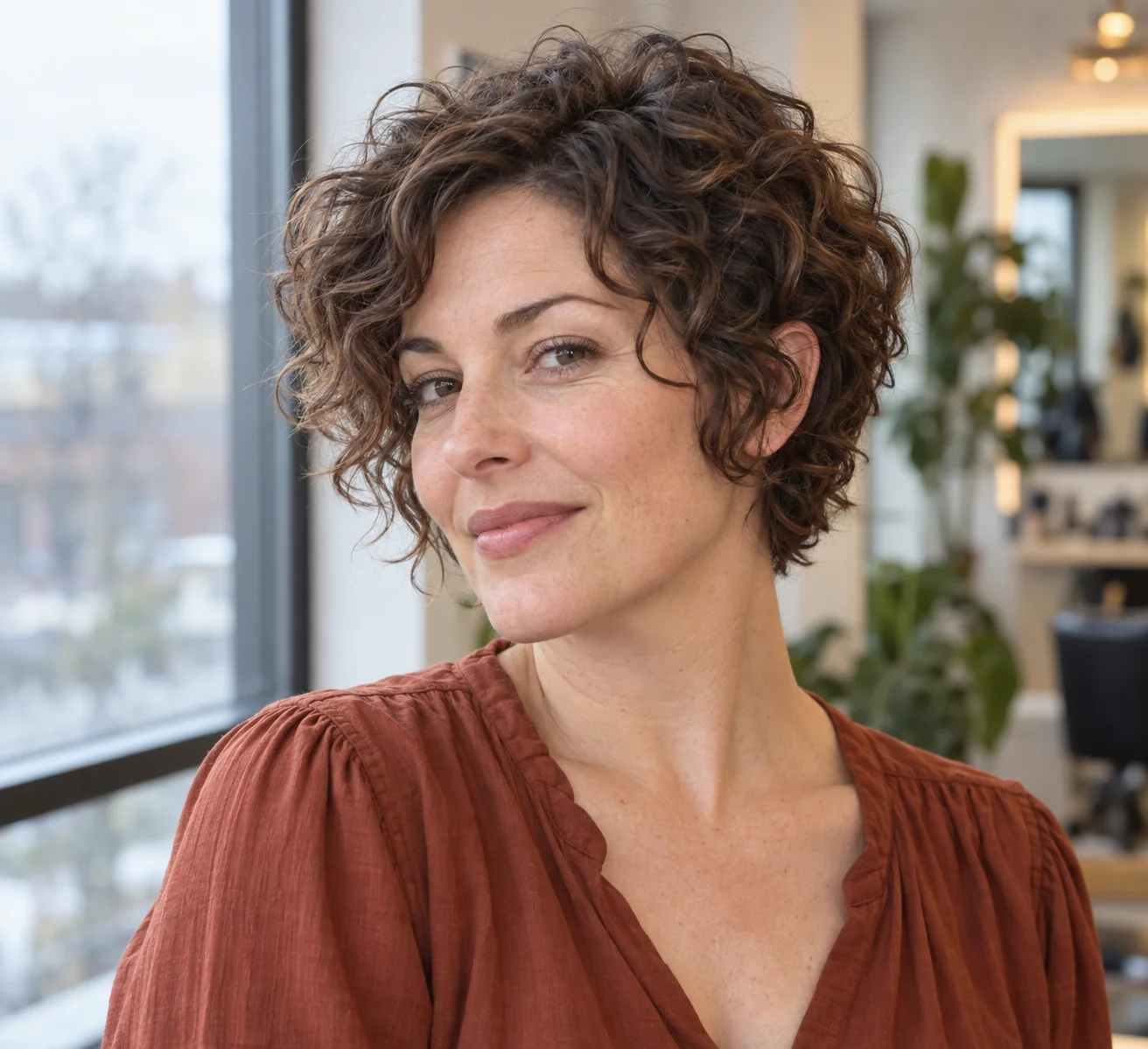
A bixie keeps more softness around the ears and nape than a pixie while using shorter crown length for movement. It suits fine curls that need less weight but still look better with a little perimeter.
Ask for a connected shape and movable crown, not a stack of short layers over a thin bottom. This cut needs reshaping sooner than a lob if you want the ear and nape areas to stay intentional.
7. Rounded tapered crop for tight curls
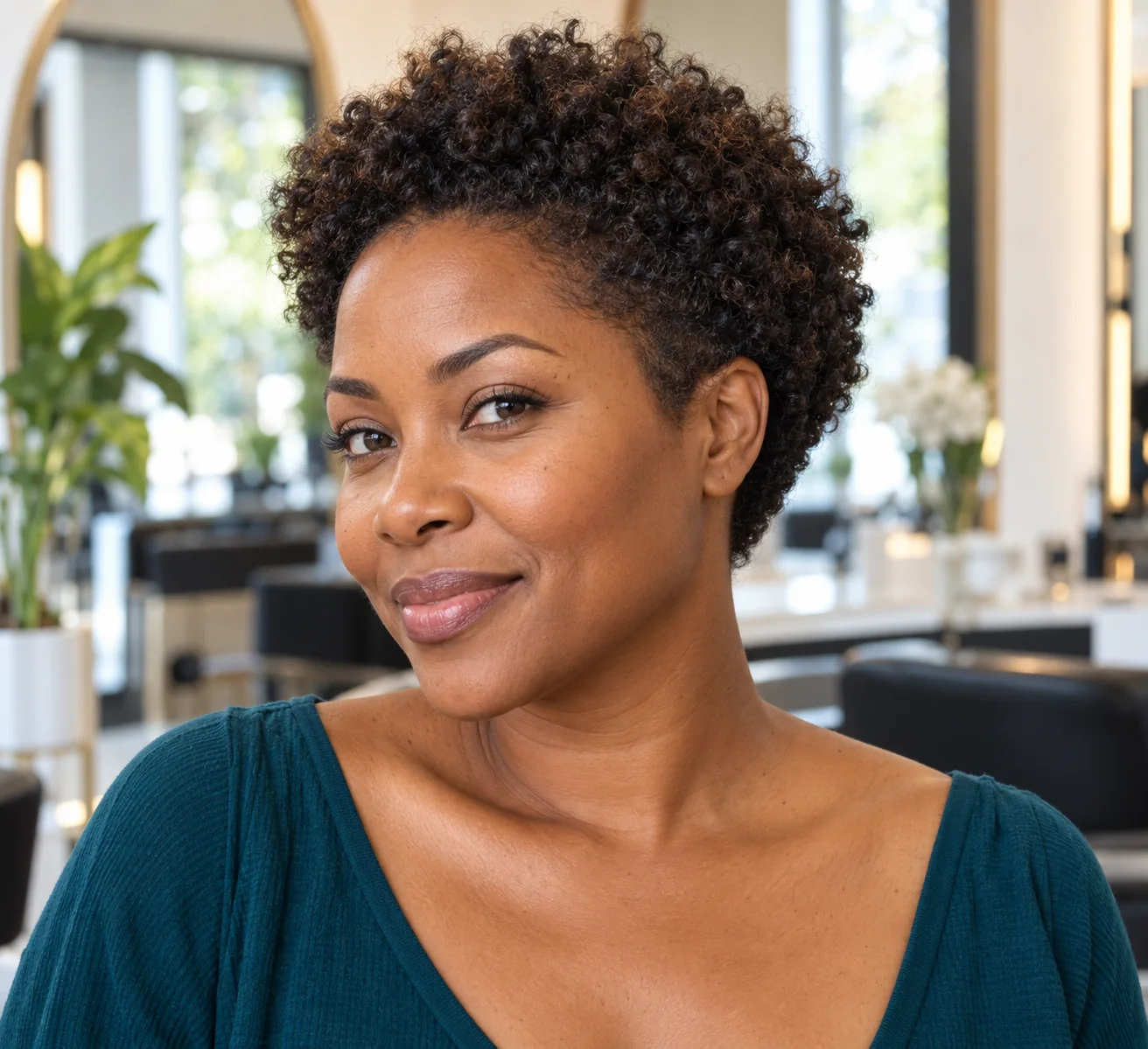
A rounded crop uses the curl’s natural spring to build a compact silhouette while a soft taper controls the sides and nape. It works best when the crown has enough coverage to hold the rounded line.
Ask the stylist to check the shape from every angle before tightening the sides. If your temples are naturally sparse, preserve softness there rather than cutting to skin for a sharper photograph.
8. Soft curly shag only when your density can support it

A shag can free fine curls from weight and create crown movement, but fine strands are not the same as low density. This shape needs enough hair to support shorter interior pieces, a fringe and a softer perimeter at the same time.
If your bottom edge already looks thin, choose the bob first. Our curly shag versus curly bob comparison explains the difference in weight placement before you sacrifice more length.
The layer question your stylist should answer clearly
“Should fine curly hair have layers?” is too broad to be useful. Ask which specific area needs weight removed, where the shortest layer will land dry and how much hair will still reach the perimeter. A strong consultation sounds more like this:
I want lift without making my ends more transparent. Please assess my density dry, show me the shortest proposed layer and keep enough curl groups reaching the outside edge. Do not use thinning shears or a razor unless you explain what problem they are solving.
Bring photos with density similar to yours, including side and back views. A polished image with twice your hair can still teach you about shape, but it cannot promise the same coverage.
Keep the styling lighter than the haircut
A good cut can still collapse under too much cream, oil or water. Start with less product than you think you need and add hold without coating every strand. Our mousse versus gel comparison can help you choose between airy volume and stronger clumping.
The best cut is not the one that promises the most volume. It is the one that leaves enough hair where your eye needs to see a continuous shape, behaves during your normal routine and does not spend density you do not have.