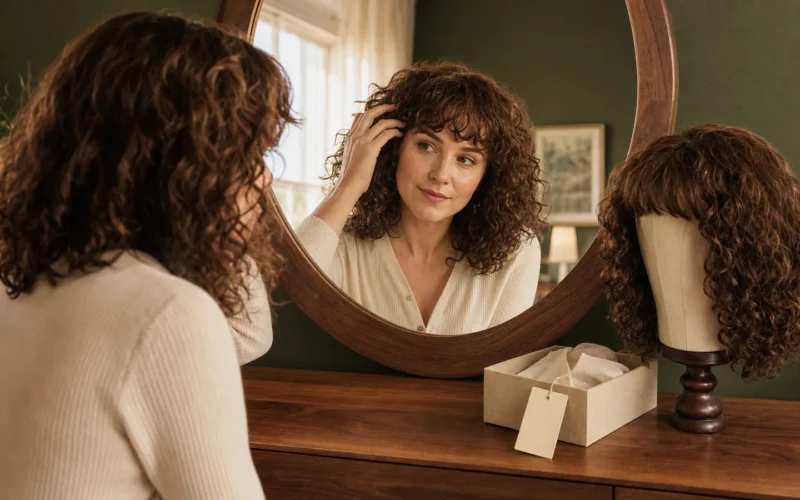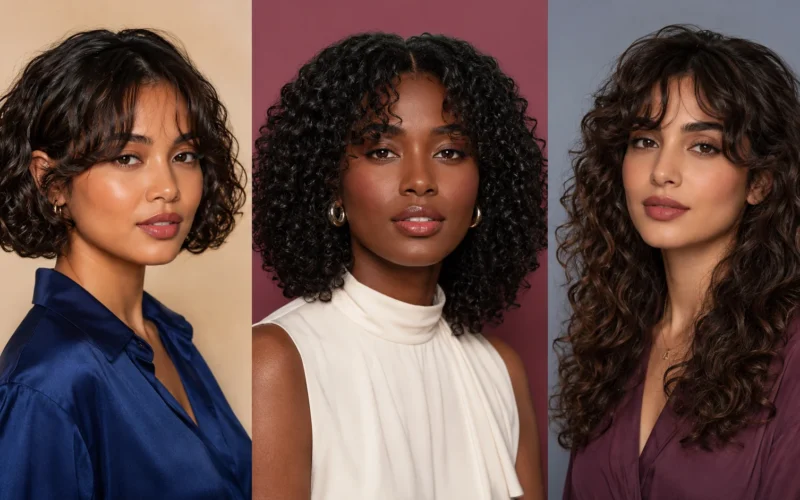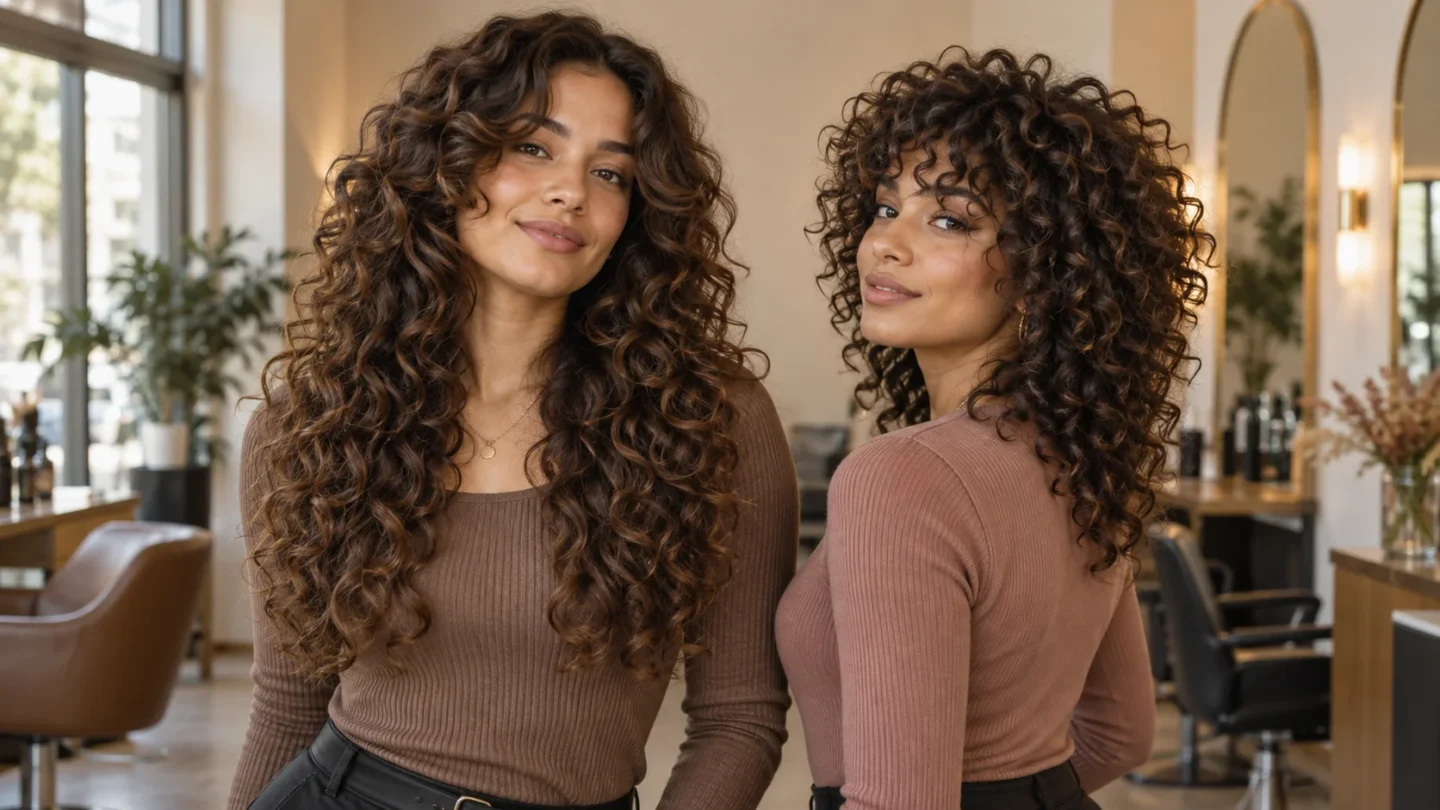
A haircut appointment is a bad place to discover that “layered” means two very different things. On curly hair, a butterfly cut keeps the shape soft and the bottom relatively full. A wolf cut moves more of the action to the crown, with shorter, more separated layers and a shaggier outline.
Choose a butterfly cut if you want movement around your face, prefer fuller-looking ends, or switch between natural curls and a blowout. Choose a wolf cut if you want obvious crown volume, a less polished shape, and do not mind seeing more separation between the top and bottom layers.
The names matter less than the layer map. Your density, shrinkage and normal styling routine should make the final decision.
Butterfly vs wolf cut: the shape is the decision
Both cuts can preserve length, frame the face and give heavy curls more movement. The difference is how visibly the short layers separate from the long ones.
| What changes | Butterfly cut | Wolf cut |
|---|---|---|
| Layer placement | Soft, connected layers around the face and through the lengths | Shorter, more obvious layers concentrated around the crown and face |
| Finished shape | Flowing, rounded and polished | Lifted, shaggy and intentionally broken up |
| Ends | Usually keeps more visual weight at the perimeter | Can look lighter or more tapered |
| Best match | Someone who wants a noticeable change without an edgy silhouette | Someone who wants the haircut itself to create texture and attitude |
| Grow-out | Blended layers tend to soften into the length | Short crown pieces remain more visible while growing |
If you love the top half of a wolf cut but want the bottom half of a butterfly cut, say exactly that. These are not fixed formulas. A curl-aware stylist can borrow the crown lift from one and the fuller perimeter from the other.
Choose a butterfly cut if full ends matter to you
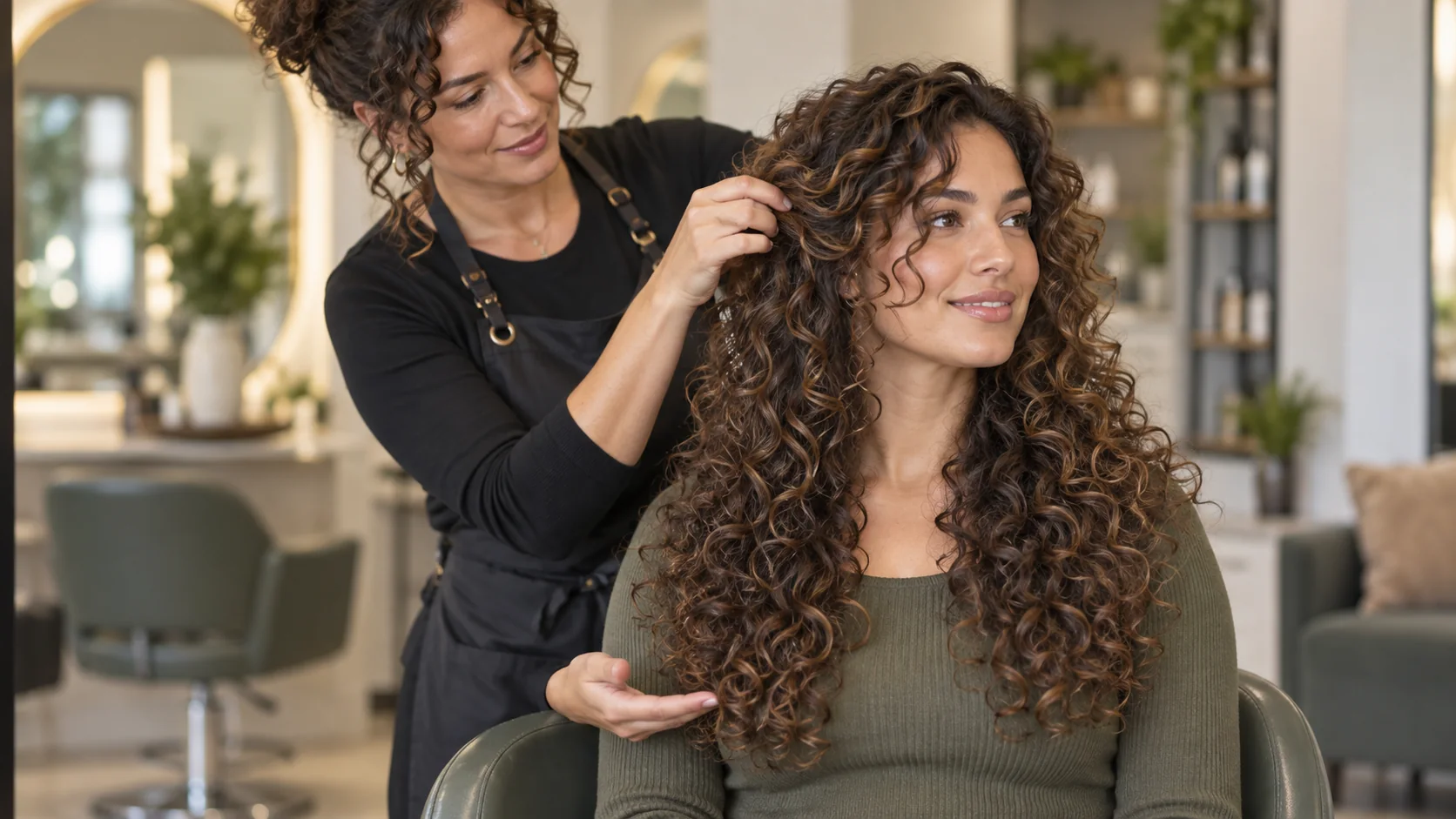
A curly butterfly cut creates a shorter-looking frame around the face without turning the entire haircut short. The upper layers should blend into longer ones, so the eye follows a cascade rather than a sharp step.
That makes it the safer choice when your main fear is losing the density you see at the bottom. It can also suit someone who wears curls most days but occasionally stretches or blows out the hair. The connected layers read clearly in both finishes.
The catch is that “butterfly” can become code for far too many layers. On fine or lower-density curls, removing too much interior weight may leave the ends looking sparse. Current stylist guidance also stresses adjusting the cut to curl pattern and density instead of copying one standard diagram, especially when shrinkage is involved. Glamour’s curly butterfly-cut guidance makes the same point: customization matters more than the trend name.
Choose a wolf cut if you want crown lift you can see
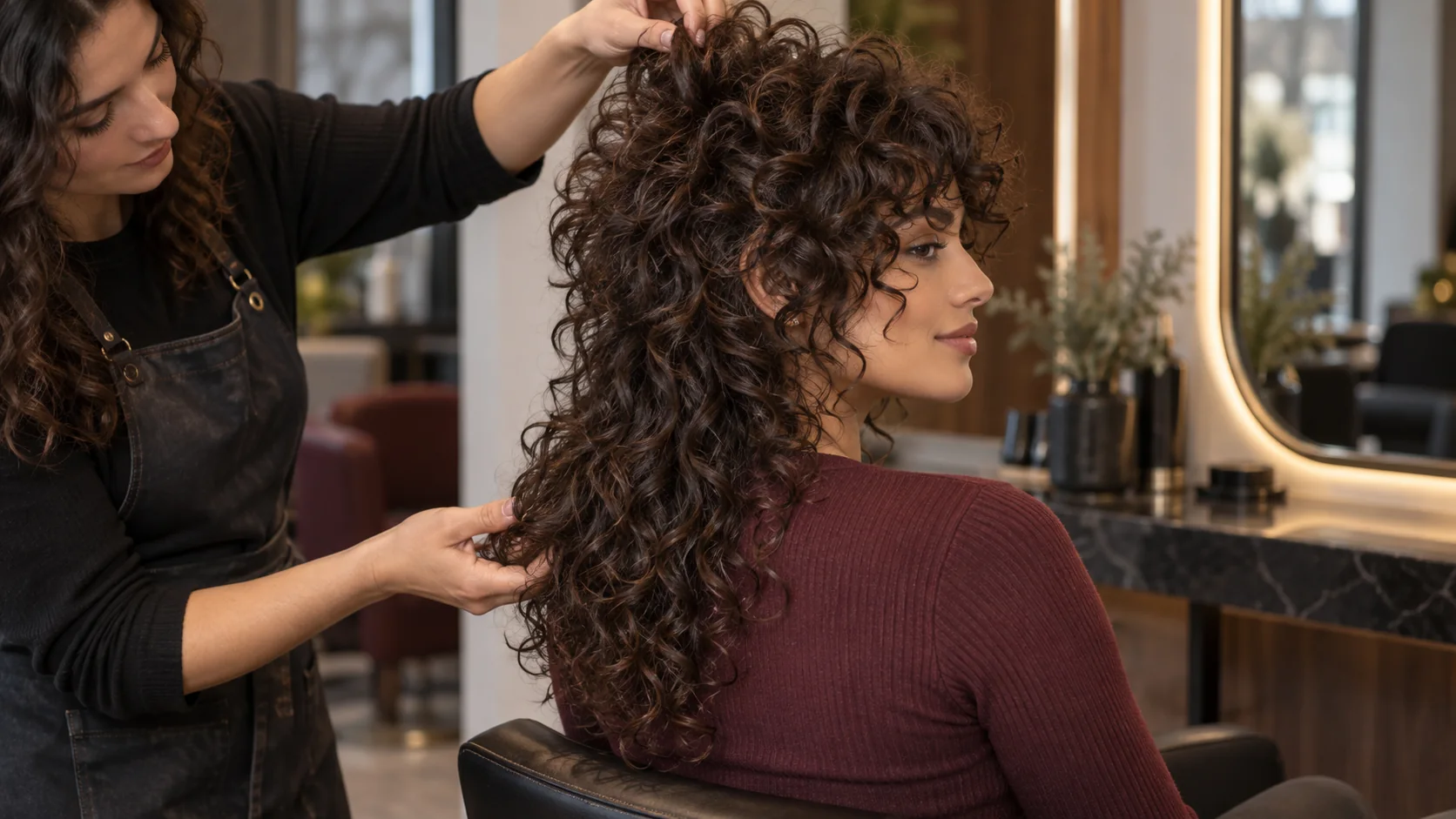
The wolf cut is the bolder answer. Shorter crown layers release curls that may otherwise be stretched by length, while face-framing pieces and a longer back create its deliberately shaggy outline. The result should look textured, not as if the top and bottom had an argument.
It works particularly well when your goal is height and separation rather than a smooth cascade. But those short layers are a commitment. If you usually wear a low ponytail, check that the pieces around the crown and face will still reach. If you dislike tapered ends, ask the stylist to preserve weight through the perimeter instead of chasing the most dramatic reference photo.
Professional descriptions of the modern wolf cut consistently focus on shorter or choppier crown layers, lift and a longer perimeter. Allure’s stylist-led wolf-cut guide also recommends being explicit about whether keeping thickness at the ends or maximizing volume matters more to you.
Density and shrinkage can reverse your first choice
Curl type alone does not decide this. Two people with 3B curls can need completely different layer plans if one has dense hair and the other has fewer strands per square inch.
- Fine or lower-density hair: start conservatively. A softer butterfly shape or a restrained wolf cut can create movement without making the perimeter transparent.
- Dense, heavy curls: either cut can remove bulk, but decide where you want that weight to move. Butterfly layers spread movement through the lengths; wolf layers push more volume upward.
- Strong shrinkage: judge the shortest layer in its dry, settled state. A cheek-length wet section can spring toward the eye once dry.
- Mixed curl patterns: ask for each area to be assessed separately. A looser nape and tighter crown should not automatically receive identical layer lengths.
Do not ask for “maximum volume” unless you also say where you want it. Volume at the crown, width at the sides and fullness at the ends are three different requests.
Which cut survives your normal wash day?
Choose for the routine you actually do, not the routine you perform once before taking a photo.
A butterfly cut usually looks most polished when the face-framing layers are encouraged away from the face and the roots are not flattened. Natural curls can still carry the shape, but the airy “wings” seen in blowout photos will not appear by magic. A little root direction and deliberate placement help.
A wolf cut is more forgiving of irregular texture because separation is part of the look. It may need more attention at the crown, however. Heavy product can collapse the very lift the haircut was meant to create, while aggressive brushing can merge the piecey sections into one fluffy cloud.
If you mostly air-dry, bring air-dried reference photos. If you diffuse upside down, tell the stylist. If you regularly straighten your curls, ask to see how the shortest layers will connect in that state too.
Take a layer plan to the salon, not just a saved photo
A useful consultation should settle five details before the scissors come out:
- Where should the shortest dry layer land?
- How much weight must remain at the ends?
- Do you want height at the crown, width at the sides, or both?
- Will the cut be shaped in your natural curl pattern, and how will shrinkage be checked?
- Which styles must still work, such as a ponytail, bun, blowout or wash-and-go?
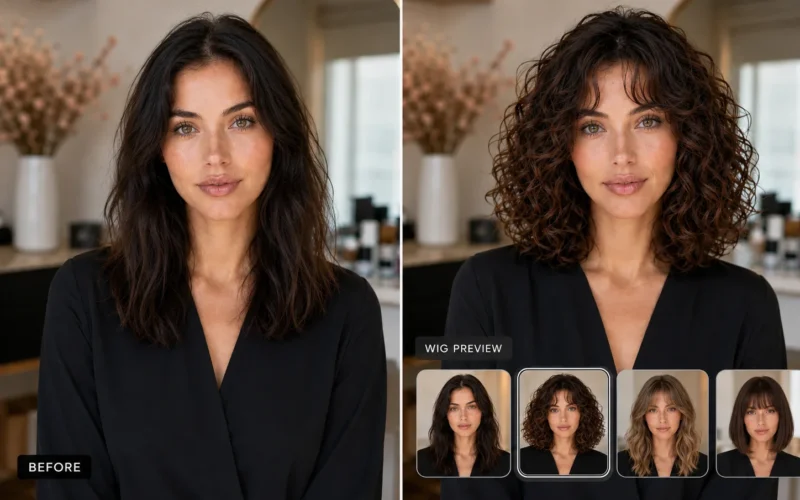
Use front, side and back references with a curl pattern and density reasonably close to yours. You can also preview a curly or wavy haircut before the appointment, but treat the result as a conversation aid rather than a guarantee.
If neither silhouette feels quite right
You may want the softness of a butterfly cut with fewer face layers, or the lift of a wolf cut without a tapered tail. Ask for those features directly. The label should help the conversation, not trap you inside a trend.
If your real decision is whether to keep a rounded, layered shape or go shorter and fuller at the bottom, compare a curly shag with a curly bob before booking. A good haircut should fit your curls on an ordinary Tuesday, not only under salon lighting.