Modern hair care can make an ingredient label feel like a chemistry quiz. The useful answer is simpler: the ingredients that matter most depend on the problem you are trying to solve. Humectants and conditioners improve softness and manageability, proteins can temporarily reinforce a damaged surface, oils reduce friction, and scalp treatments act on a different target altogether.
That distinction matters because healthier-looking hair and new hair growth are not the same result. A product can make strands smoother, shinier, or fuller-looking without changing what happens inside the follicle. Choosing well starts with matching the ingredient category to your immediate concern, then judging how the complete formula performs on your hair.
Copper Peptides and the New Generation of Scalp Treatments
Hair care innovation increasingly focuses on the scalp rather than only the visible hair shaft. This reflects growing interest in the environment around the follicle and in ingredients being studied for possible scalp-related benefits.
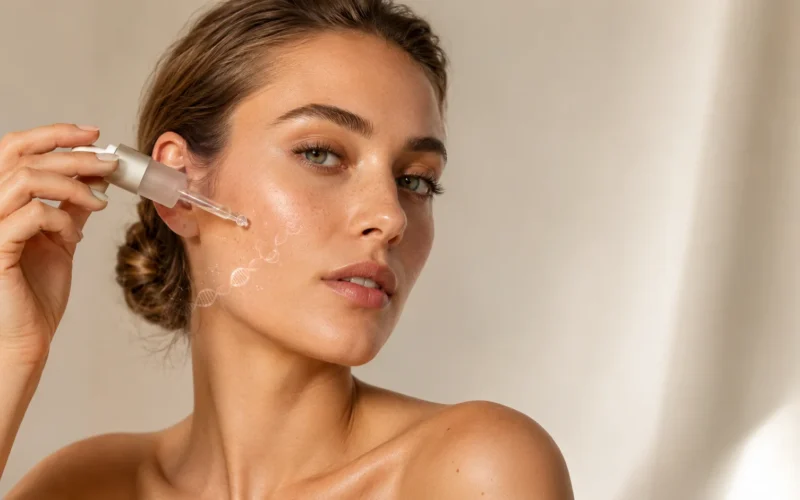
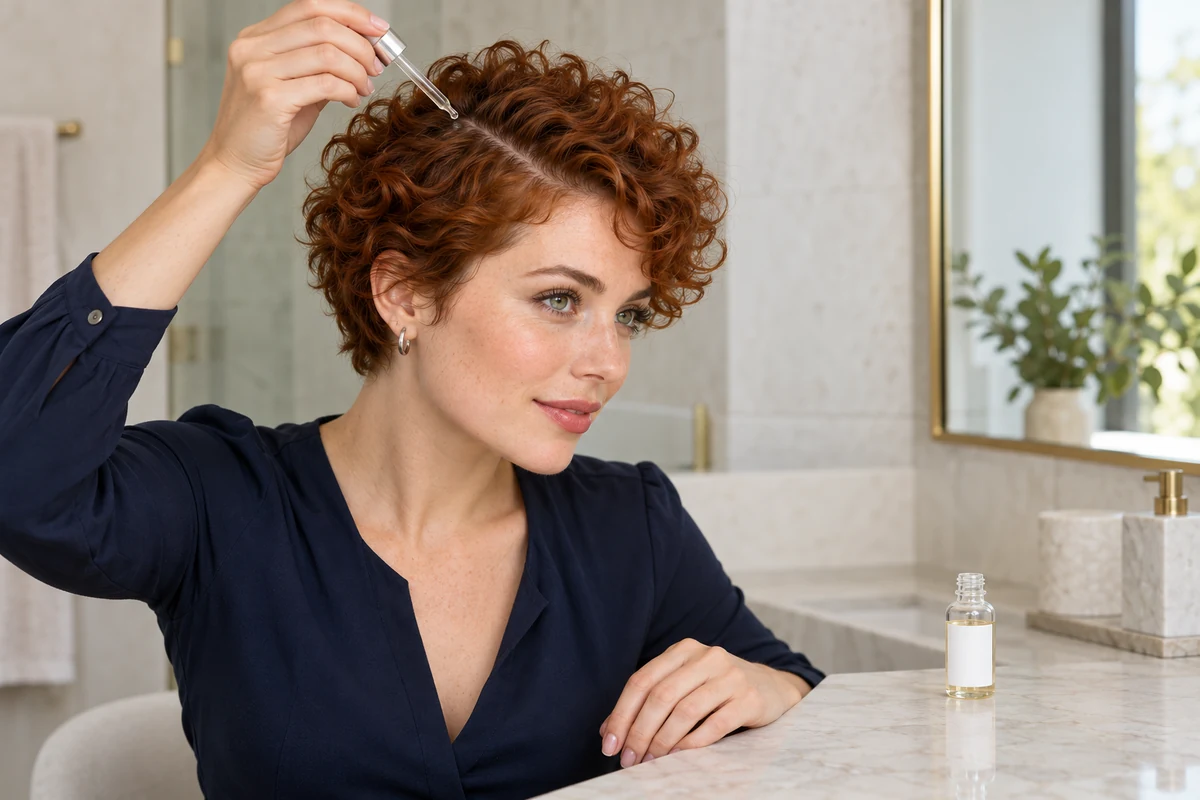
Peptides are short chains of amino acids. Copper-binding peptides such as GHK-Cu and AHK-Cu have attracted attention because of their roles in skin biology and early hair-follicle research. One laboratory study of AHK-Cu found effects in cultured dermal papilla cells and isolated human hair follicles. That is encouraging mechanistic evidence, but it is not the same as a large clinical trial showing reliable regrowth in people.
Formulation transparency is therefore valuable. For example, plulaboratories.com makes copper-peptide hair tonics with GHK-Cu or AHK-Cu and acetyl tetrapeptide-3, and publishes concentration information for shoppers who want to inspect the formula rather than rely on a broad “hair density” claim.
The limitation is just as important as the ingredient. Confirming that a formula contains a stated peptide concentration does not prove that the finished product can reverse hair loss. Copper peptides are an interesting cosmetic option for a scalp-focused routine, but current human evidence is much thinner than it is for established hair-loss treatments.
Humectants and Moisturizing Ingredients Improve Manageability
Dryness is common in hair exposed to coloring, frequent washing, heat, weather, or repeated styling. Humectants such as glycerin and panthenol help bind water within a formula and can improve softness and flexibility. Conditioning agents then reduce friction and smooth the cuticle, which makes detangling easier and helps limit mechanical breakage.
The complete formula matters more than a fashionable ingredient appearing somewhere on the label. A rich mask may suit coarse, porous, or heavily processed hair, while the same product can flatten fine hair. If products seem to sit on your strands or disappear without helping, our guide to high- and low-porosity hair explains why product weight and application method can change the result.
Humectants are also not a cure for every kind of frizz. Climate, styling hold, cuticle damage, and the amount of emollient or film-former in the product all affect performance. Think of glycerin or panthenol as part of a moisturizing system, not a guarantee printed on the front of a bottle.
Proteins and Amino Acids Support Hair Fiber Appearance
Hair is primarily made of keratin. Chemical processing, high heat, and friction can damage the cuticle and leave strands rough, weak, or prone to snapping. Hydrolyzed proteins and amino acids are common in treatments for damaged hair because they can deposit on or interact with the fiber and temporarily improve feel and manageability.
They cannot make a damaged strand biologically regenerate. The visible hair shaft consists mostly of nonliving keratinized cells, so “repair” in a cosmetic product usually means smoothing the surface, improving flexibility, or temporarily reinforcing weak areas. Prevention still matters: moderate heat, gentle detangling, and enough conditioning protect more than an occasional intensive mask can restore.
More protein is not automatically better. If repeated protein treatments leave hair stiff, rough, or difficult to style, reduce their frequency and return to a simpler conditioning routine. Judge the response of your hair instead of trying to maintain a perfect “protein-moisture balance” on a calendar.
Natural Oils and Lipids Help Protect Hair From Dryness
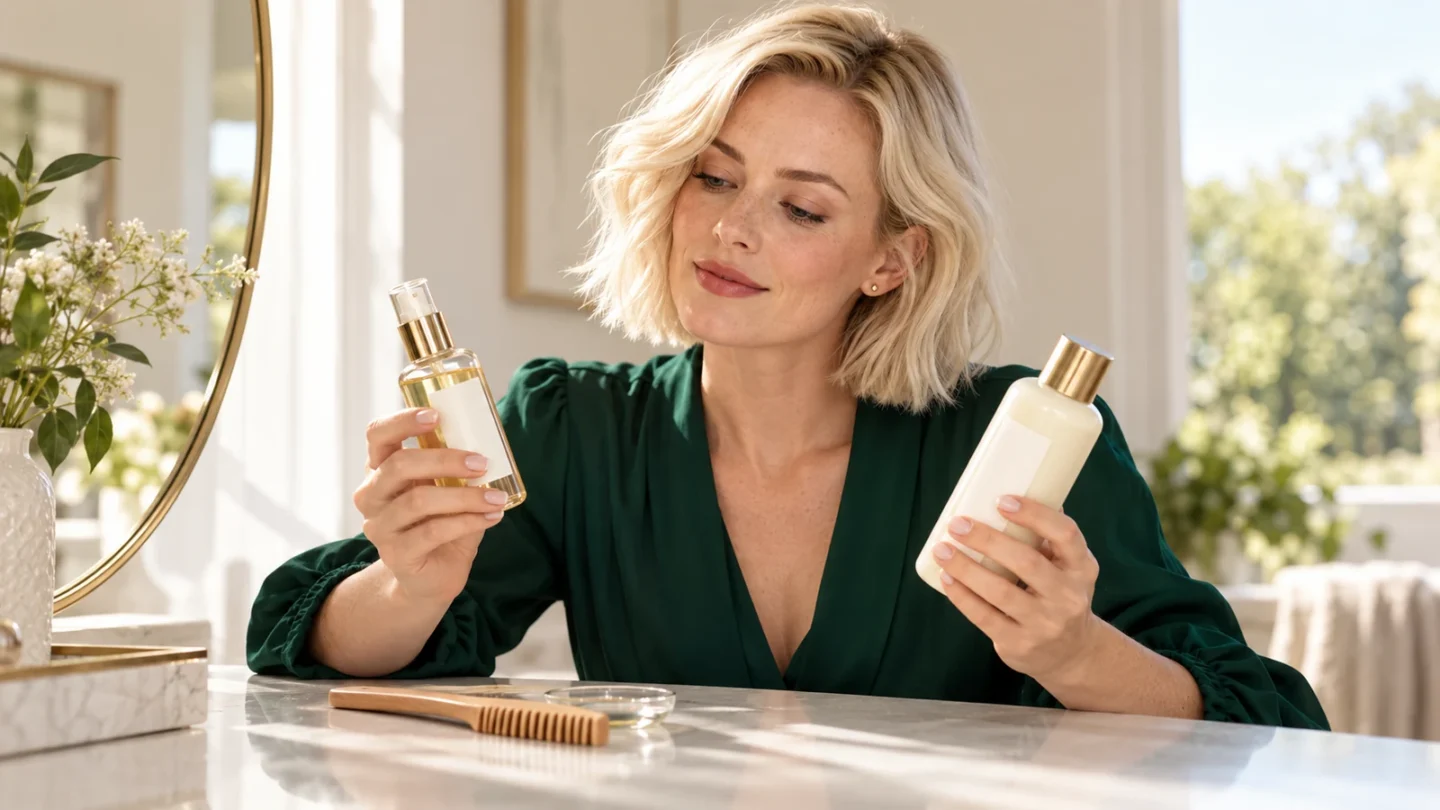
Oils improve lubrication, reduce friction, and add shine, but they do not all behave the same way. Coconut oil is notable because a controlled study found that it reduced protein loss from damaged and undamaged hair when used before or after washing. Argan, jojoba, and other oils are often used mainly for surface conditioning, softness, and shine.
Amount and placement determine whether an oil looks polished or greasy. Thick, coarse, or highly porous hair may tolerate a richer pre-wash treatment. Fine hair may need only one or two drops on the ends. Start with less than you think you need, keep heavy oil away from an oily scalp, and add more only if the result still feels dry.
It also helps to separate three claims: lubrication can reduce friction, conditioning can make damage look and feel better, and neither result proves that an oil stimulates new growth. “Natural” describes a source, not how effective or universally suitable an ingredient will be.
Clarifying Ingredients and Scalp Exfoliants Serve Different Purposes
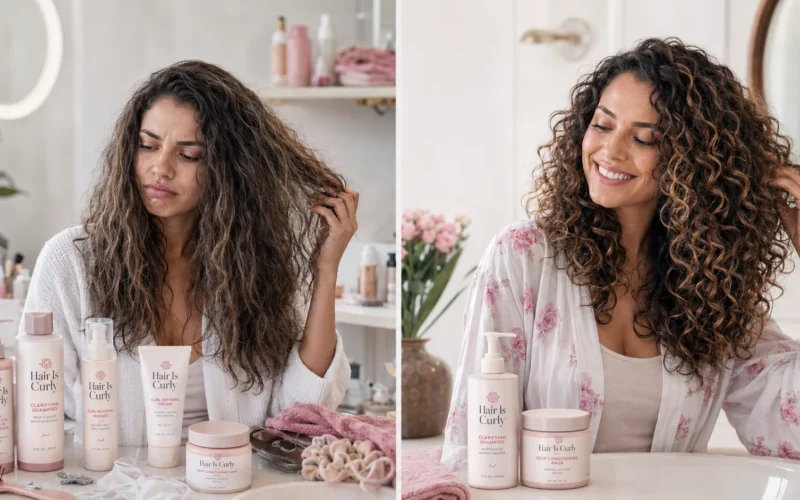
Clarifying shampoos remove accumulated oil, styling residue, minerals, and other buildup with cleansing agents. Scalp exfoliants address material on the skin surface. Salicylic acid, for example, can help loosen scale in some scalp products. One does not automatically replace the other.
If your curls remain coated after washing, the difference between a stronger cleanser and a mineral-removing formula matters. Our comparison of chelating and clarifying shampoo can help you choose without repeatedly stripping the hair.
A healthy scalp does not need to feel squeaky or completely oil-free. Overusing strong cleansers, scrubs, or acids can increase dryness and irritation. Persistent redness, pain, itching, thick scale, or sudden shedding deserves assessment by a dermatologist rather than another round of exfoliation.
Understanding Ingredients Marketed for Hair Growth
Hair-growth marketing is complicated because thinning has many possible causes, including genetics, hormonal changes, illness, medication, and nutritional deficiencies. A topical cannot correct every cause, so diagnosis matters before product selection.
Minoxidil has established clinical evidence for certain forms of pattern hair loss. The American Academy of Dermatology notes that it can reduce hair loss and stimulate growth for some people, but results take time, responses vary, and the benefit is lost after stopping treatment. Caffeine, botanical extracts, and cosmetic peptides may have interesting early data, but their evidence is not equally strong.
Look closely at the promised outcome. “Fuller-looking hair” may mean a formula coats the strands or lifts the roots. “Supports a healthy scalp” may mean it improves comfort or hydration. Neither phrase is proof of measurable regrowth. If shedding persists or density changes noticeably, investigate the cause. Nutrition can matter when intake is inadequate, but our guide to nutrition and hair growth explains why supplements are not a universal fix either.
Building a Routine Around Ingredients That Actually Matter
Most people do not need a shelf full of targeted treatments. Start with cleansing that suits your scalp, conditioning that suits your strands, and protection from the damage you actually create. Add a specialized product only when it has a defined job.
- For rough, dry hair: prioritize a well-formulated conditioner, then add a light oil or leave-in if needed.
- For processed or breakage-prone hair: try hydrolyzed proteins occasionally and monitor stiffness as well as softness.
- For buildup: clarify at a frequency your scalp and hair tolerate instead of scrubbing harder.
- For visible thinning: seek a diagnosis and compare the evidence for a treatment, not just the excitement around its hero ingredient.
Introduce one change at a time and give it a fair trial. That makes it easier to identify benefit, irritation, buildup, or simple product mismatch. Modern ingredients can be useful, but the smartest routine is rarely the one with the longest label. It is the one that solves your problem without creating a new one.