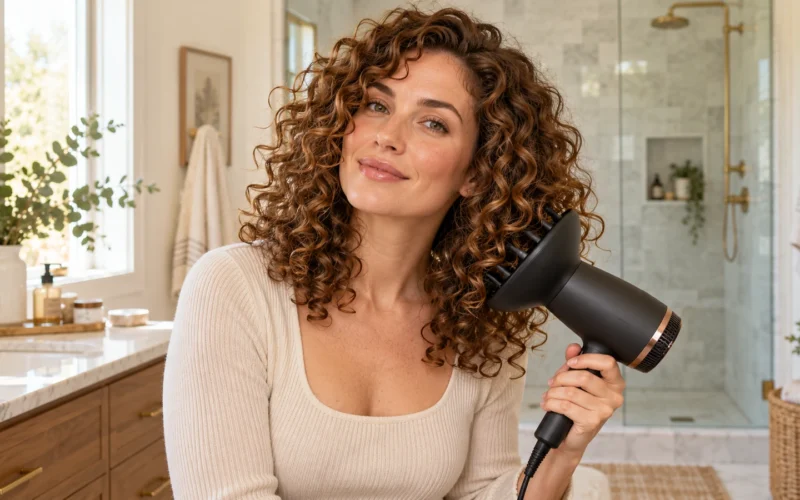
When hair starts shedding more, feeling brittle, or losing its usual fullness, it is tempting to look for one food or supplement that will fix it. Nutrition can support normal hair growth when the body is missing something important, but it cannot repair a damaged strand, override genetics, or treat every cause of hair loss.
The most useful approach is to separate two jobs. Food supports the living follicle that produces new hair. Your daily beauty routine protects the hair that has already grown. Stronger-looking hair usually depends on both.
Feed new growth, protect the hair you already have
Hair follicles rely on nutrients delivered through the bloodstream. Protein, iron, zinc, and several vitamins take part in the cellular processes involved in producing and maintaining hair. A varied diet generally supplies them, but restrictive eating, rapid weight loss, illness, or a condition that affects absorption can increase the risk of a shortfall.
Once a strand emerges from the scalp, however, it is no longer living tissue. Water, conditioner, masks, and serums can improve how that fiber feels and behaves, but they cannot correct a nutritional deficiency. In the same way, a balanced meal cannot smooth a cuticle roughened by repeated bleaching or high heat.
This is why nutrition and hair care are complementary rather than interchangeable. Support the follicle from within, then use gentle handling and suitable products to preserve the length you have.
Start with meals, not a hair gummy
Hair is made primarily of keratin, a structural protein. Eggs, fish, poultry, dairy foods, beans, lentils, tofu, nuts, and seeds can all contribute to daily protein intake. The goal is not a special “hair diet.” It is a dependable eating pattern with enough energy, protein, and variety for the whole body.
Iron deserves particular attention because iron deficiency can be associated with hair shedding. Meat and seafood provide heme iron, while legumes, leafy vegetables, and fortified grains provide non-heme iron. Pairing plant sources with vitamin C-rich foods can improve absorption.
Zinc supports normal tissue growth and repair. Biotin helps the body metabolize nutrients, but true biotin deficiency is uncommon. A review of diet, nutrient deficiency, and hair loss found that correcting a documented deficiency matters, while evidence for routine supplementation without a deficiency is limited.
The American Academy of Dermatology similarly advises taking iron, zinc, or biotin supplements only when testing shows that they are needed. More is not automatically better. Excess amounts of some nutrients can be harmful and may even worsen hair loss.
Where digestion and coffee fit
Eating nutritious food is only one part of the picture. Digestive conditions that interfere with absorption can affect nutritional status, and ongoing symptoms can also make it harder to eat consistently. That does not mean every episode of bloating or discomfort is causing a hair problem, but persistent digestive symptoms deserve proper medical attention.
Coffee is a common concern because people can respond to it very differently. Reading about coffee and gut inflammation may help you compare your own symptoms with your timing, serving size, added ingredients, and existing digestive conditions.
Ordinary coffee consumption should not automatically be blamed for inflammation or hair loss. A peer-reviewed review of coffee and the gastrointestinal tract found several measurable digestive effects, but evidence around reflux, ulcers, and inflammatory bowel disease remains mixed. Personal tolerance matters more than a blanket rule.
Hydration supports the body, but conditioner protects the fiber
Drinking enough fluid supports normal body function. Drinking excessive water will not make hair grow faster or repair split, weathered ends.
The appearance of hair depends heavily on the condition of its outer cuticle. Heat, chemical processing, friction, and rough detangling can leave that surface uneven, which makes hair feel dry, look dull, and break more easily. If products seem to sit on your curls or disappear without helping, the issue may be how your hair absorbs and loses moisture, not how much water you drink.
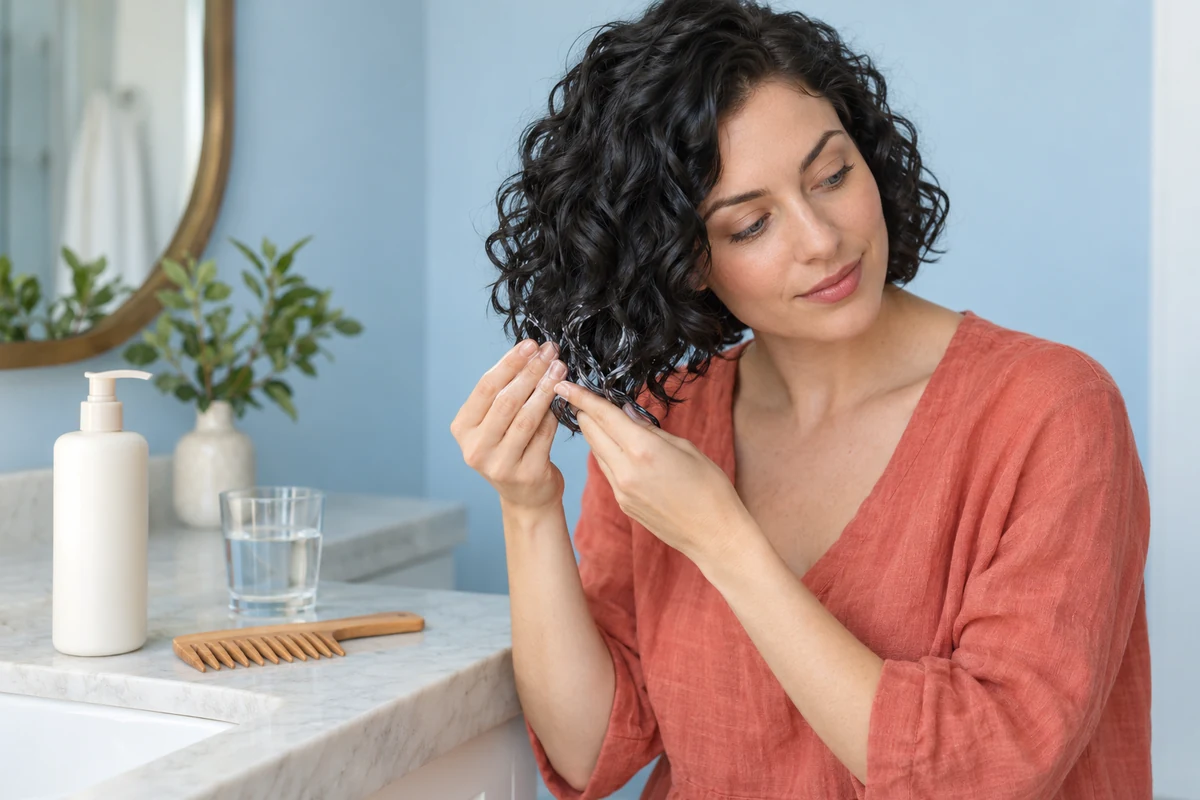
A practical routine is simple: drink according to thirst and health needs, cleanse the scalp with a suitable shampoo, condition the lengths after washing, and use a leave-in product when your texture needs more slip or softness. Internal hydration supports you. External conditioning manages the strand.
Daily styling can undo good growth
Nutrition supports the production of new hair, but styling decides how much of that length you keep. Repeated high heat can weaken the cuticle. Lower temperature settings, a heat protectant, and fewer passes with a flat iron or curling tool reduce unnecessary exposure.
Detangling technique matters too. Begin near the ends and work upward instead of pulling a brush from the roots through every knot. A wide-tooth comb and a conditioner with good slip can reduce the force needed, especially on curls and coils.
Pay attention to tension at the scalp. The American Academy of Dermatology warns that repeatedly tight ponytails, braids, weaves, and extensions can cause traction alopecia. Pain, stinging, crusting, broken hairs around the hairline, or a receding edge are signs to loosen the style rather than waiting for the next wash day.
If you are still learning what your texture needs, use a simple curly hair routine long enough to judge it. Constantly changing several products and habits at once makes it almost impossible to identify what helped.
Build a routine you can keep
A sustainable plan does not require a cabinet of supplements or an expensive treatment schedule. Start with balanced meals, regular fluids, enough sleep, and a hair routine matched to your scalp and strand condition. Change one controllable habit at a time.
- Include a reliable protein source in meals rather than chasing one fashionable ingredient.
- Use a varied mix of iron-rich foods, vegetables, whole grains, healthy fats, and fruit.
- Notice whether digestive symptoms repeatedly interfere with appetite or food choices.
- Protect existing hair with conditioner, gentle detangling, moderate heat, and low-tension styles.
- Do not begin high-dose hair supplements without a reason and professional guidance.
Hair changes slowly because follicles follow a growth cycle. If nutrition was genuinely part of the problem, improvement will not appear after one meal or one week. Consistency matters, but so does knowing when the issue has moved beyond home care.
Know when diet is not the whole answer
Persistent shedding, a widening part, sudden thinning, bald patches, scalp pain, or visible inflammation should be evaluated by a qualified medical professional. The same applies when hair changes follow rapid weight loss, a major illness, medication changes, or symptoms such as unusual fatigue.
A clinician can examine the pattern, review your health and diet, and decide whether testing is appropriate. If you are older and noticing new thinning, our guide to hair loss after 65 explains why it should not automatically be dismissed as normal aging.
Nutrition creates the conditions for normal hair production. Gentle care helps the hair you already have survive washing, styling, and daily wear. Treating those as two connected jobs gives you a more realistic routine than expecting one product, one food, or one supplement to do everything.