A curly extension can match your color perfectly and still look wrong after the first wash. If its curl loosens, the density feels too heavy, or the attachments fight your natural movement, you can end up styling two different heads of hair every morning. That is commitment, just not the kind anyone booked.
The best curly hair extensions are matched by more than shade. Curl pattern, shrinkage, density, strand behavior, placement and weight all affect whether the result still looks believable after wash day. A cold-bond method can give a stylist more control over placement, but the method name alone does not guarantee a safe or natural result.
Vereya Hair in Dubai uses individually placed cold-bond capsules through its ICE Diamond system. At the time of review, its website listed fitting at 9.60 AED per capsule and hair from 11 AED per gram. Its full-head example of 250 capsules with 100 to 150 grams of hair works out to roughly 3,500 to 4,050 AED before any consultation-specific changes. That makes texture matching, maintenance and a clear written quote worth discussing before you commit.
Why curly hair extensions are harder to blend
Color is only one part of the match. Curly hair can carry more than one pattern on the same head, and two strands that look similar while dry may shrink, swell or separate differently once wet.
A useful consultation should consider:
- Curl pattern and shrinkage: Does the extension return to a similar shape after washing, or does it relax into a different pattern?
- Density: A very full extension on fine natural hair can look disconnected and place unnecessary weight near the root.
- Strand behavior: Porosity affects how quickly hair absorbs and loses moisture. If this is unfamiliar, our guide to high- and low-porosity hair explains the practical difference.
- Movement: The added hair should move with your own curls instead of sitting as a separate curtain underneath them.
- Daily styling: Your usual parting, updos and wash routine should influence where bonds are placed.
Ask to see the proposed extension hair dry, wet and after several washes. A polished sample straight from the package tells you very little about how it will behave on a humid Tuesday.
What Vereya’s cold-bond method changes
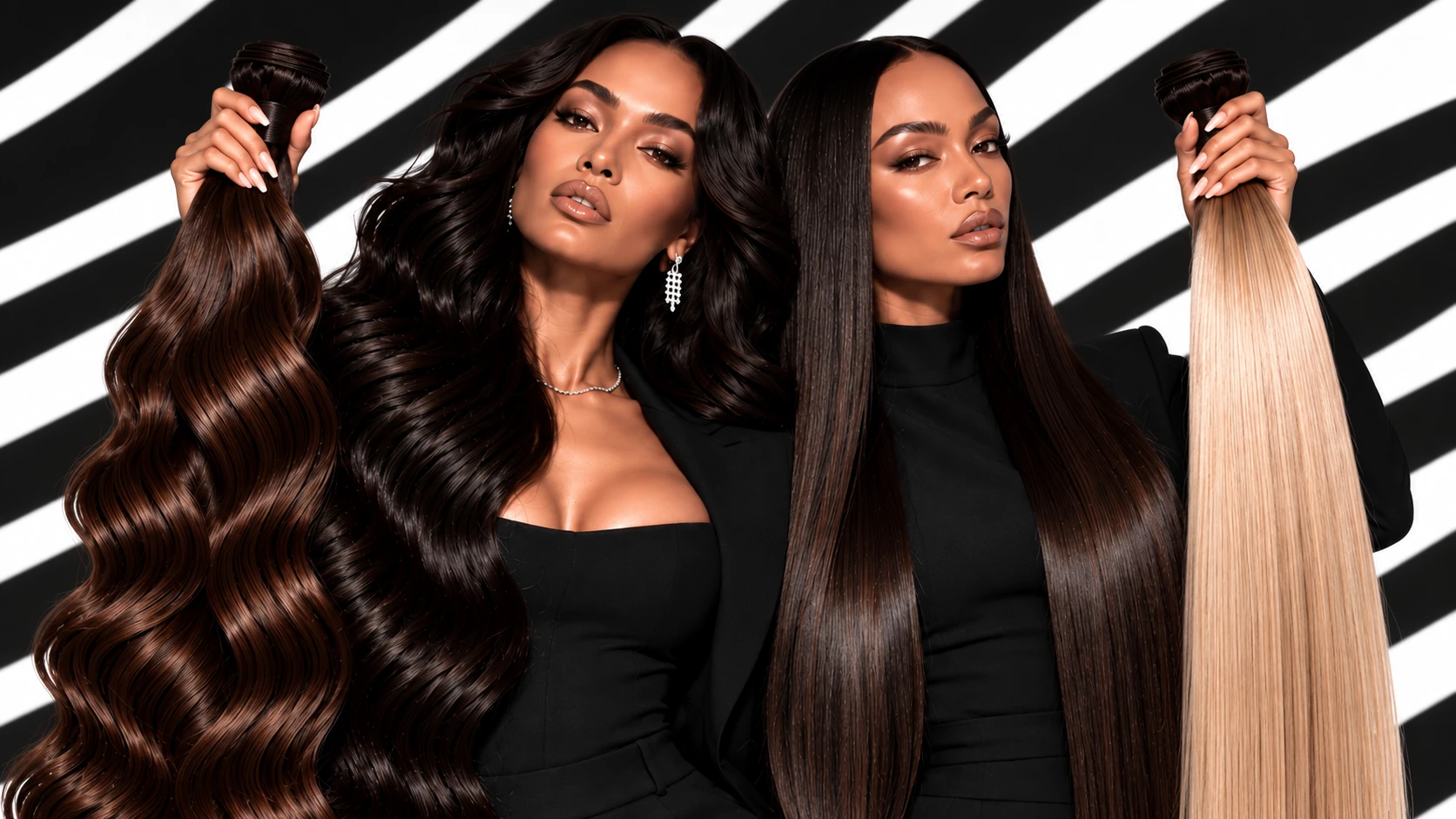
Vereya describes its ICE Diamond cold-fusion method as a no-heat, no-glue system that attaches small sections of extension hair in flat capsules near the root. Individual placement can help a trained stylist distribute length and volume according to the client’s density, growth direction and preferred hairstyle.
Ksenia Radonezhskaia, identified in the material supplied to HairIsCurly as Vereya Hair’s founder, describes the intended approach this way:
“We stopped fighting curl texture. Our method works with every wave and coil, preserving curl direction while adding length with cold ICE Diamond bonds.”
No heat removes one potential source of stress during application, but it does not make an installation automatically harmless. The number of capsules, their weight, the stylist’s placement and the condition of the natural hair still matter.
Three details matter more than the method name
1. The added weight must suit your natural density
More hair is not always a better result. Fine or fragile areas may need smaller sections, fewer capsules or no extensions at all. A responsible stylist should assess the hairline, temples, crown and any areas with breakage before planning the installation.
The finished style should feel secure, not tight. Pain, a persistent headache, bumps or a pulling sensation are warning signs, not a normal “settling-in” phase.
2. The curl match must survive washing
An extension can be curled for a consultation photo and still behave very differently later. Ask whether the texture is natural or processed, how it changes with repeated washing, and whether it needs heat or frequent restyling to match your own hair.
The strongest evidence is not a perfectly styled reveal. It is a result on a similar curl pattern after several normal wash days.
3. The placement must respect movement and scalp comfort
Flat, discreet attachments can help with concealment, but placement should also reflect how the hair grows and how you wear it. Bonds positioned without considering a side part, ponytail or sensitive area may remain technically hidden yet feel awkward in daily life.
If you already have unexplained shedding, fragile edges, active scalp irritation or significant chemical damage, address that first. Extensions should add a styling option, not camouflage a problem that needs attention.
What daily care looks like after installation
Curly extensions are not necessarily difficult, but they are not maintenance-free. The natural hair, added hair and attachment points each need slightly different handling.
- Clean the scalp gently and rinse thoroughly instead of scrubbing the bonds into a knot.
- Keep rich conditioners and oils mainly on the mid-lengths and ends unless your stylist confirms they are safe around the attachments.
- Detangle in sections, starting at the ends and supporting the hair above the bonds. An extension-friendly brush for curly hair can reduce unnecessary tugging.
- Use a diffuser on a controlled heat setting when needed, and make sure the roots and attachment area do not stay damp for hours.
- Protect the hair at night with a loose braid, pineapple or other method that does not pull on the bonds.
- Book correction or removal on schedule instead of trying to separate grown-out attachments at home.
Vereya says its ICE Diamond installations are generally corrected after three to four months. Your actual schedule can be shorter depending on growth rate, shedding, density and how well the attachment points are holding.
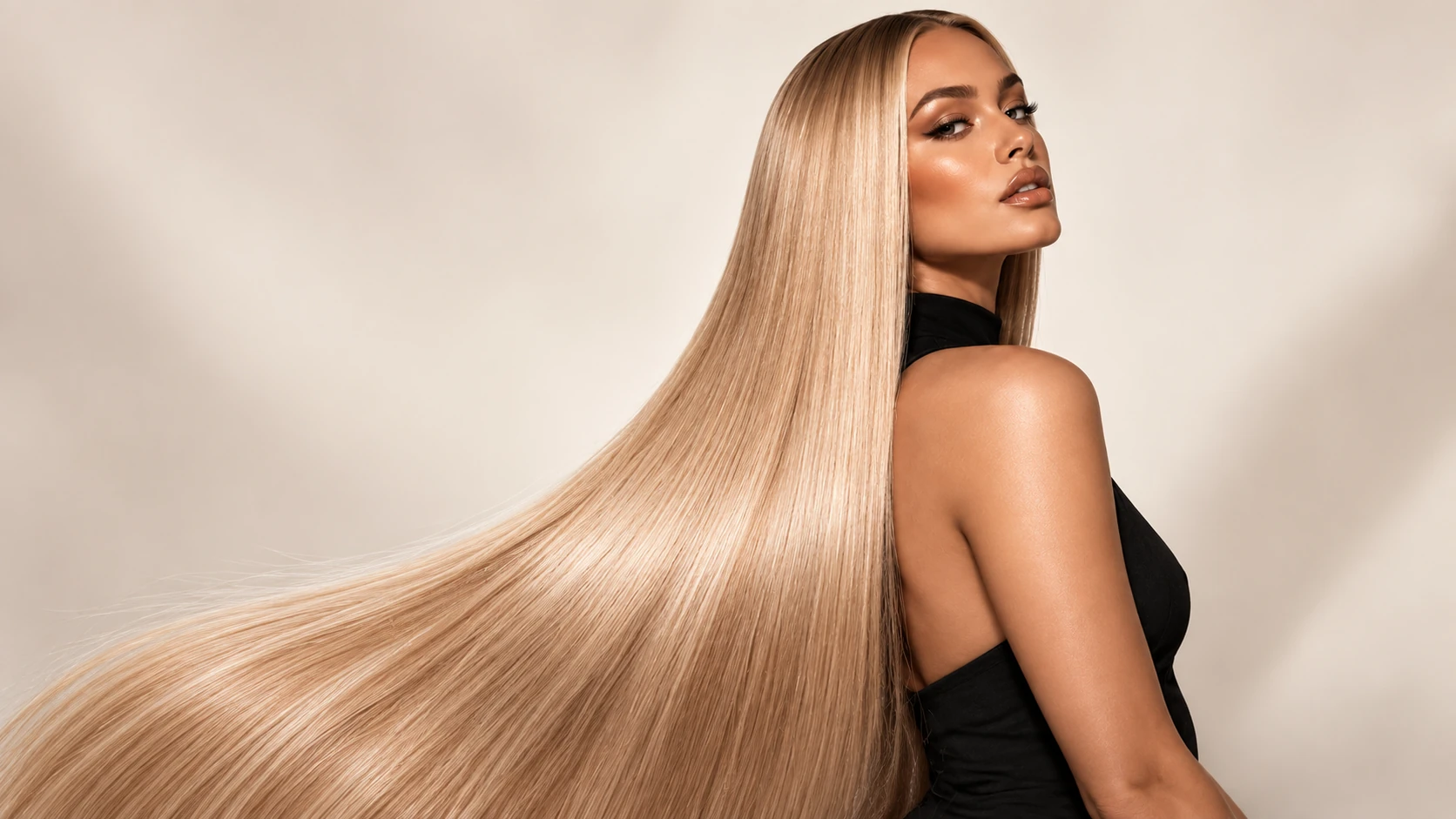
A glossy day-one finish is attractive, but ask how much work is required to recreate it. If the look depends on repeatedly straightening or recurling your natural hair, the texture match is doing less work than the marketing photo suggests.
Questions to ask before booking
| Ask the stylist | Why the answer matters |
|---|---|
| Can I see this texture after three to five washes? | It reveals whether the curl or wave remains compatible with your own hair. |
| How many capsules and grams are you recommending? | This helps you assess weight, price and whether the plan suits your density. |
| What happens if an attachment hurts or pulls? | You need a clear adjustment or removal plan, not advice to tolerate pain. |
| What will correction, removal and replacement cost? | The first installation is only part of the total ownership cost. |
| Can I wear my usual part, ponytail and updos? | Placement should support your real routine, not only the reveal photo. |
| Is the hair reusable, and under what conditions? | Reuse can affect long-term value, but only if the hair and bonds remain suitable. |
Also ask who will perform the installation, what training they have in your texture, and what aftercare instructions you will receive in writing.
A note on tension and hair health
The American Academy of Dermatology warns that extensions and weaves can contribute to traction alopecia when they repeatedly pull on the hair. Its guidance on preventing extension-related hair damage says a style that causes pain is too tight.
Stop and seek professional advice if you notice persistent soreness, bumps, broken hairs around the attachments, a widening part or thinning edges. A dermatologist is the better first stop for unexplained hair loss or an active scalp condition.
Who may like this approach, and who should wait
Vereya’s individualized cold-bond approach may appeal to someone who wants longer-wear extensions, prefers a no-heat application and has access to a stylist experienced with their curl pattern. It is not the obvious choice for someone who wants a temporary weekend change, dislikes regular salon maintenance or already has compromised roots.
The practical next step is a consultation, not an instant yes. Bring photos of your hair on wash day and later in the week, explain how you normally style it, and ask for the proposed grams, capsule count, maintenance interval and total cost in writing. The most convincing curly hair extensions are the ones you stop noticing, both in the mirror and on your scalp.