The best products for fine curly hair give you enough hold to keep the curl shape without leaving the lengths coated. That might mean one mousse, one gel, or a small amount of leave-in followed by a styler. You don’t need a cream, foam, gel and oil just because they appear in someone else’s routine.
I’d choose your main styler around what goes wrong first. Curls that flatten while drying need a different adjustment from curls that look lovely on wash day but unravel overnight. Start with that distinction before buying another bottle.
This is a researched comparison of product types and current formulas, informed by Lisett Perez’s professional styling experience. The named products have not been documented as personally tested for this guide.
Fine strands can still make a full head of curls
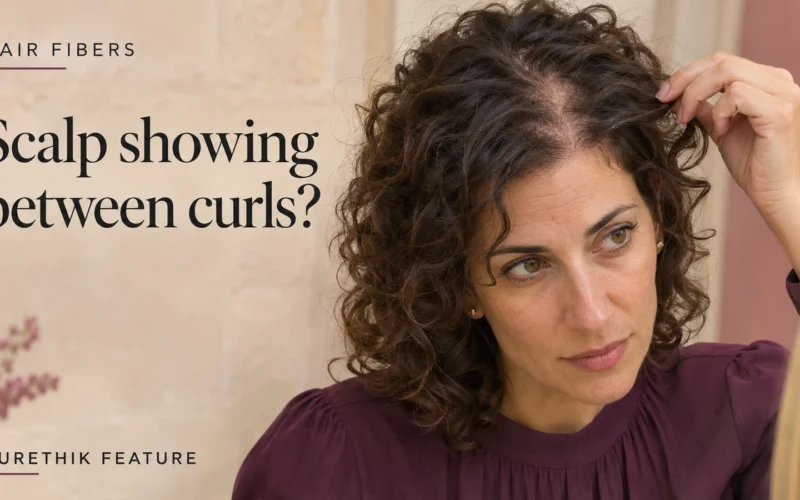
Fine describes the width of an individual strand. Density describes how many hairs grow across an area of scalp. You can have fine strands and high density, or fine strands with more space between them. Neither tells you your porosity or how much conditioning you need.
This matters when applying product. Long, dense fine hair may need several small applications to reach all the sections. Shorter, lower-density hair may need much less. Treating both heads with the same handful of cream makes it harder to judge whether the formula suits either one.
Also separate volume from definition. Larger, strongly defined curl groups leave more space between them. A softer, separated finish can look fuller, but may lose shape sooner. Decide which trade-off bothers you least rather than expecting every product to maximize both.
Choose the job before choosing the bottle
If rinsed-out conditioner leaves your hair comfortable, try your hold product without a separate leave-in first. If the ends remain rough or difficult to handle, add a little conditioning there. A conditioner’s slip and a gel’s hold solve different problems.
| What you need | First product type to consider | Reason to choose differently |
|---|---|---|
| Body with a flexible finish | Mousse or pump foam | Choose more hold if the curls fall apart too soon |
| Definition that survives drying and movement | Gel with the hold level you need | Reduce quantity or conditioning underneath if curls feel coated |
| Slip and softer-feeling ends | A small amount of leave-in | Skip it if conditioner already does this job |
| A softer, less structured shape | A little curl cream | Choose a hold styler if softness comes with collapsing curls |
These are starting points, not rules that all mousses are light or all creams are heavy. The mousse-versus-gel comparison explains the broader difference. Here, the useful question is which one earns its place in your fine-hair routine.
Mousse and foam: compare the finish as well as the volume
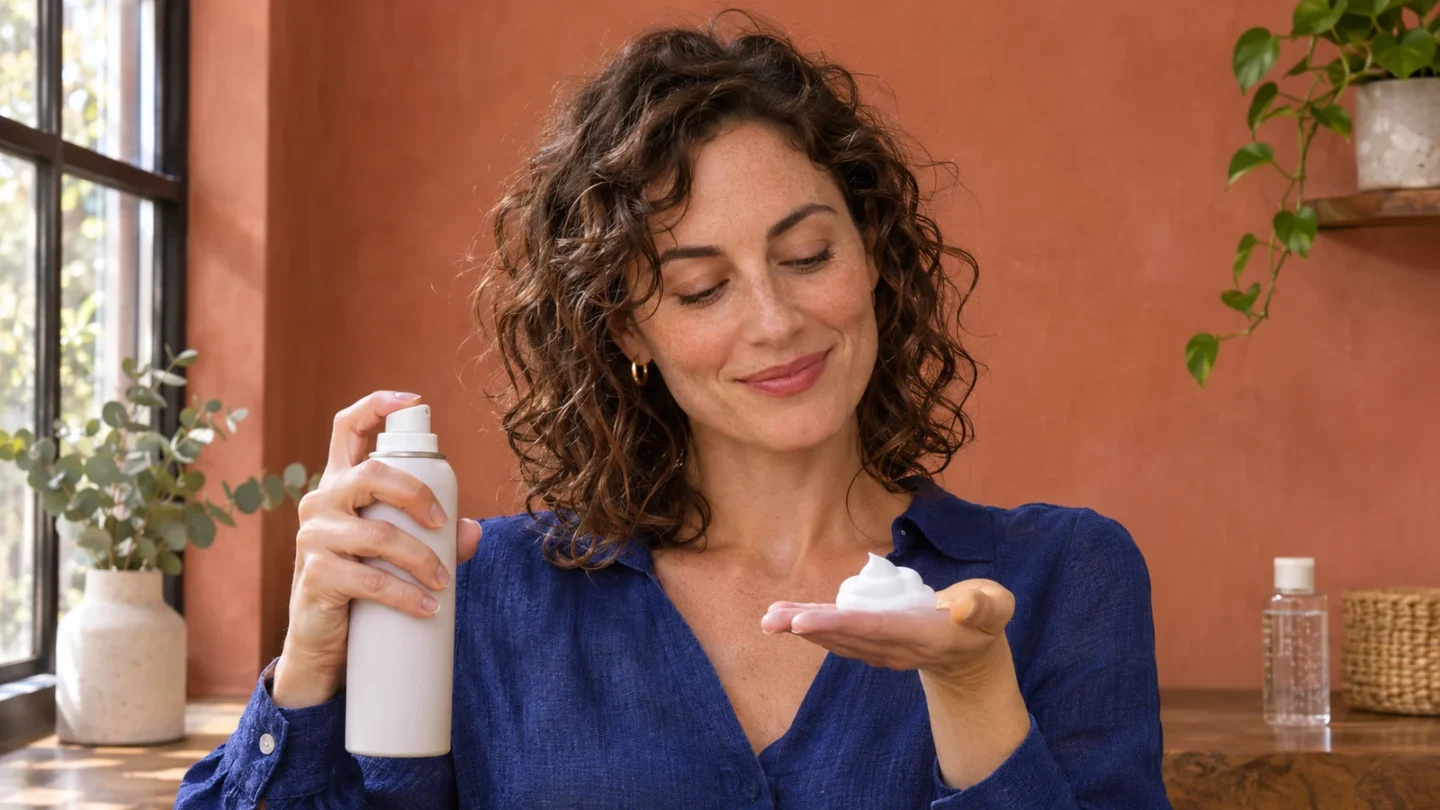
A foam can distribute easily without a rich conditioning base. That makes it worth considering when your hair feels soft already but needs body. It can still leave tackiness, a dry feel, or more cast than expected. Judge the dry result rather than the airy texture in your palm.
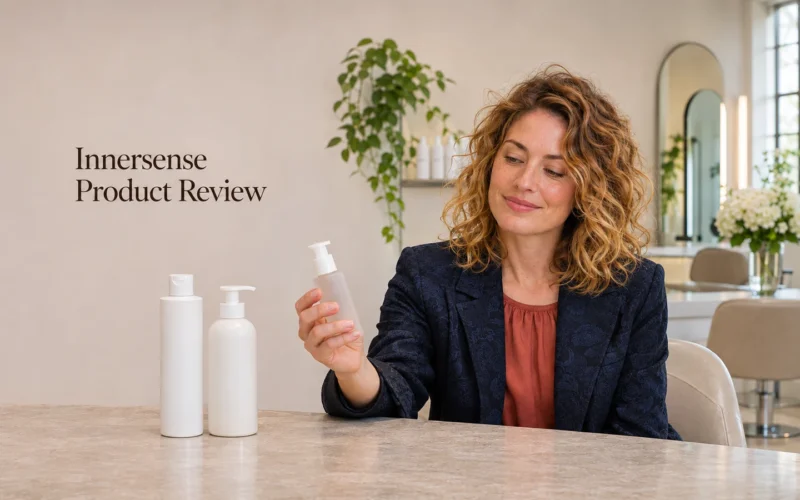
Innersense I Create Lift Volumizing Foam is a light-hold example. The US brand page listed $28 for 6 oz when checked on November 13, 2026, with a smaller 2.37 oz option. Its formula includes pullulan, aloe, glycerin and hydrolyzed rice protein, plus fragrant oils; the listed scent is Orange Blossom. The directions start with one to two pumps, distributed with fingers, then smoothed or scrunched through the hair.
I’d consider that type of formula for someone prioritizing movement and body. Light hold is also its limitation: it may not be enough if your main complaint is curls losing definition. It is not a fragrance-free option. A premium price doesn’t establish better next-day hold.
For a lower-priced, unscented example, Not Your Mother’s Curl Talk Fragrance & Protein Free Activating Mousse was listed at $10.99 for 7 oz. This is the specifically labeled fragrance- and protein-free version. Its ingredient list includes the styling polymer polyquaternium-46. The brand directs users to shake it, dispense upside down, and distribute from roots through curls.
The lower purchase price makes that a different trial commitment from the Innersense foam. It does not prove equivalent performance. One Ulta reviewer with fine, high-density waves and curls described good hold from small applications, but also used a cream underneath. A critical reviewer with thick wavy hair reported excessive crunch, an unpleasant odor and lingering residue. Neither report establishes the result on your hair. Fragrance-free also does not mean odorless.
Conflicting reports are useful here. In a fine-hair discussion, one person wanted mousse that felt less drying; another found mousse heavier and stickier than gel and preferred some foams. Those are individual experiences, not a reliable category ranking. If your mousse leaves tackiness, try less in the same routine before assuming every gel will be heavier.
Gel: choose enough hold, then control the amount
Fine curls can need firm hold. A crunchy cast during drying is not the same as a heavy, greasy coating. Let it dry completely before deciding whether the finish is too stiff. If it then softens with gentle scrunching and retains its shape, the cast has served a purpose.
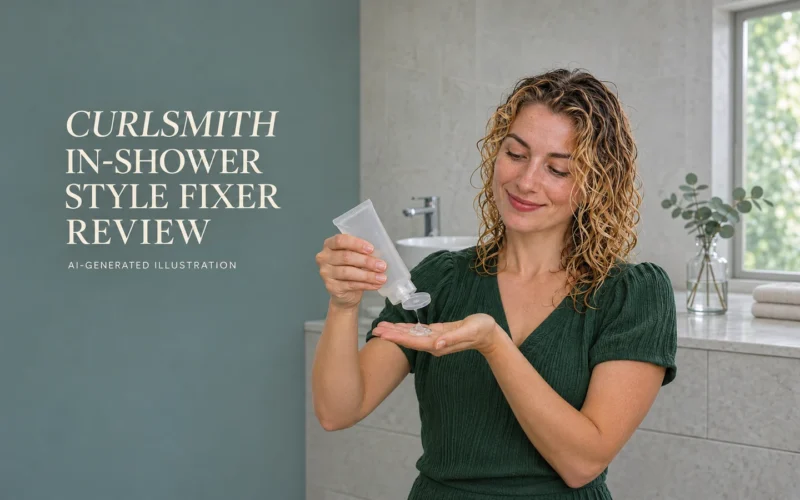
Curlsmith Hydro Style Flexi Jelly is a medium-hold example with a thin jelly texture. The US brand page listed $28 for 8 oz, with 2 oz and 16 oz sizes also shown. Its ingredient list starts with water and PVP and includes panthenol, glycerin and fragrance. The brand says it can form a light cast, depending on the quantity used, and advises scrunching after it is fully dry.
That makes it a candidate to investigate if you dislike rich-feeling stylers but still want a defined finish. Medium hold may be insufficient for your preferred longevity. The brand also notes that ingredient lists can change, so compare the bottle you receive with the current page, especially when replacing an older favorite.
Don’t automatically add foam under gel on the first trial. Try the gel with your usual wash-and-condition routine, then assess what is missing. If you never get the structure you expected, our gel-cast troubleshooting guide helps check application and layering before another purchase.

Leave-in and cream: add comfort where it is missing
A leave-in is useful when you need more slip or softness after rinsing. A cream may add conditioning and shape, with hold that varies by formula. Neither deserves a permanent place merely because your hair is curly.
For fine lengths, I’d start by testing a small amount on the ends that actually feel rough. Avoid coating comfortable roots with the same quantity. A spray can be easier to spread, but “spray” does not guarantee a lighter dry finish. Likewise, a cream labeled lightweight can still be too much alongside your conditioner and gel.
If you are deciding between two similar conditioning steps, our curl cream versus leave-in guide explains their roles. Buy the missing function. Adding both makes sense only when they contribute something different that you can notice.
Make the first trial easy to interpret
Keep your cleanser and conditioner familiar and change one styling product. Follow its directions for wet or damp application. Wet hair can make distribution easier, but product lost with dripping water and product left on towel-dried lengths will not give the same result. Keep the starting wetness similar when comparing wash days.
Use a small application, spread it over your hands, and distribute through manageable sections. Check for missed areas before dispensing more. A pump of foam and a squeeze of gel are different quantities; there is no useful universal “one pump” rule across bottles. Record the amount you used so the next trial is a deliberate adjustment.
Diffusing can help you finish drying without repeatedly squeezing or rearranging the curls. Keep the airflow gentle and stop the tool before moving the bowl to a new section. Air-drying is also an option. Compare products using the same drying method rather than crediting the new bottle for a change in technique.

Look again once the hair is fully dry, then the following morning. Note root lift, definition, touch, frizz and how much refresh work is needed. Weather, sleep and handling affect longevity too. One wash day cannot establish humidity resistance or reliable day-three results.
If the result disappoints, change the right thing
Flat but soft: remove an optional conditioning layer or reduce the styler amount next time. If the roots were already flat before product, check drying and handling too. Our flat-root guide covers those causes.
Defined at first, loose by morning: assess sleep protection and whether the hold is sufficient. More cream is unlikely to solve a lack of structure. Compare a stronger hold product before building a longer routine around a light-hold one.
Sticky or stringy: first make sure the hair is dry. Then consider uneven distribution, excess quantity or incompatible layers. If the lengths already feel coated, washing and simplifying may help more than piling on refresh spray. Clumps can also separate when handled repeatedly during drying.
Frizzy but still soft: check whether you disturbed the curl groups or missed sections. Humid weather may expose insufficient hold, but one ingredient on a label cannot predict the whole formula’s performance. If ends feel rough as well, revisit conditioning before increasing gel.
When comparing value, include how the product fits your routine and whether you can use it consistently. A trial size may cost more per ounce but less than a full bottle you abandon. Keep the product that solves the problem you recorded; leave the extra steps on the shelf.
Images are generated illustrations of styling techniques.