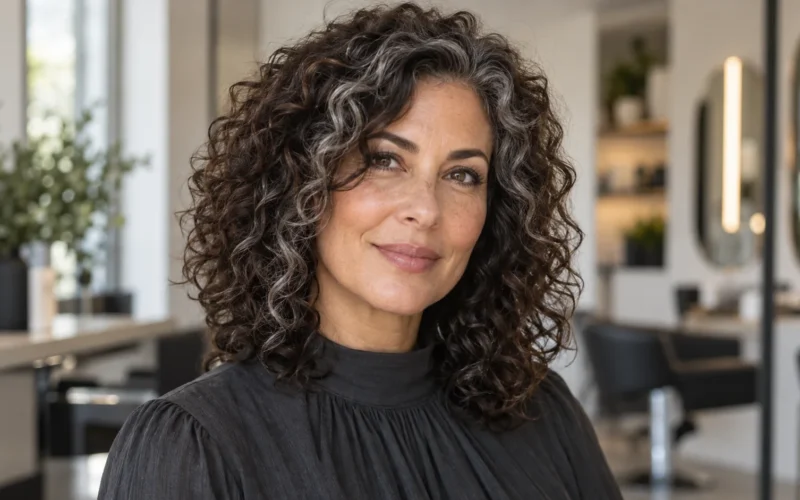
Natural salt and pepper, smoky charcoal, and icy silver can all read as “gray” in a photo. They ask very different things of your hair. If you’re already going gray, a cut can make those strands stand out. If you want the same brightness on dark hair, you’ll need temporary pigment on the surface or a colorist who can lighten the hair underneath.
Start with your current color and how often you’re willing to touch it up. Then pick a look you’d still like after a few washes or your next haircut.
Choose a route from your current color
| What you want | Best starting point | What to expect |
|---|---|---|
| Bring out natural silver | Visible gray you want to keep | No color needed. The cut changes where silver shows. |
| Blend your grays | Silver patches or a visible line as old color grows out | Selective salon color softens the contrast. |
| Try silver for a day | Any base, including dark hair | Washout pigment coats the surface. Coverage varies. |
| Dye it gray or silver | Hair that can safely be lightened, or an even pale base | Cool tone fades. Your natural color grows in at the roots. |
1. Natural salt and pepper with a side sweep
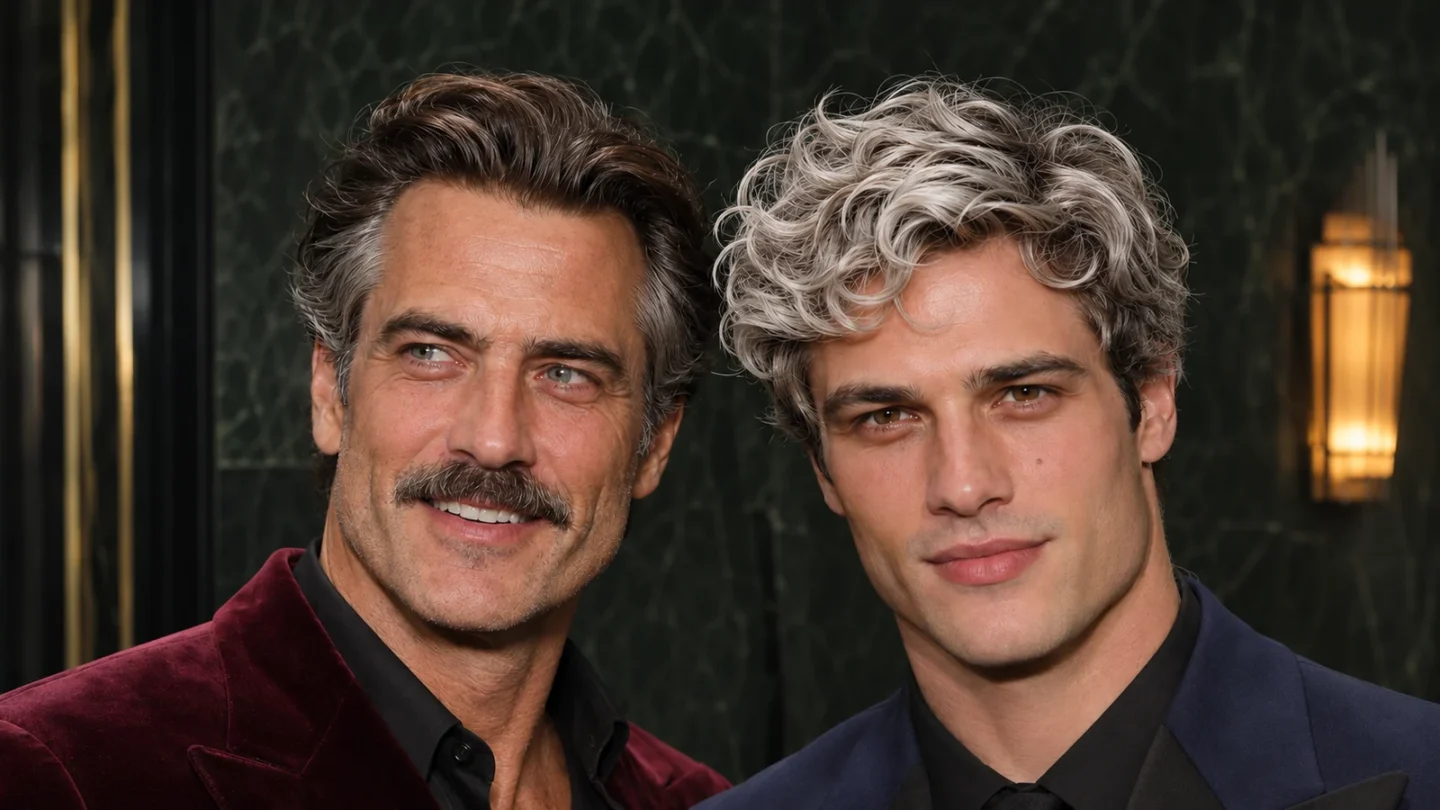
When the temples go silver first, a short side sweep gives those lighter strands room to show. Leave enough length at the sides to keep the silver visible, and let the dark strands on top break it up. A skin fade can take away the very hair you want to see.

Ask your barber for a scissor taper around the temples and a top that falls to one side without much styling. With curls, leave enough length for the lighter pieces to make a full bend. A short curly cut with a low taper can do the same job.
2. Soft gray blending at the temples
If two bright patches at the sides feel more pronounced than you’d like, ask a colorist to soften the edges and leave some gray visible. A little color close to your natural shade can quiet the brightest patch without making the entire haircut look freshly dyed.
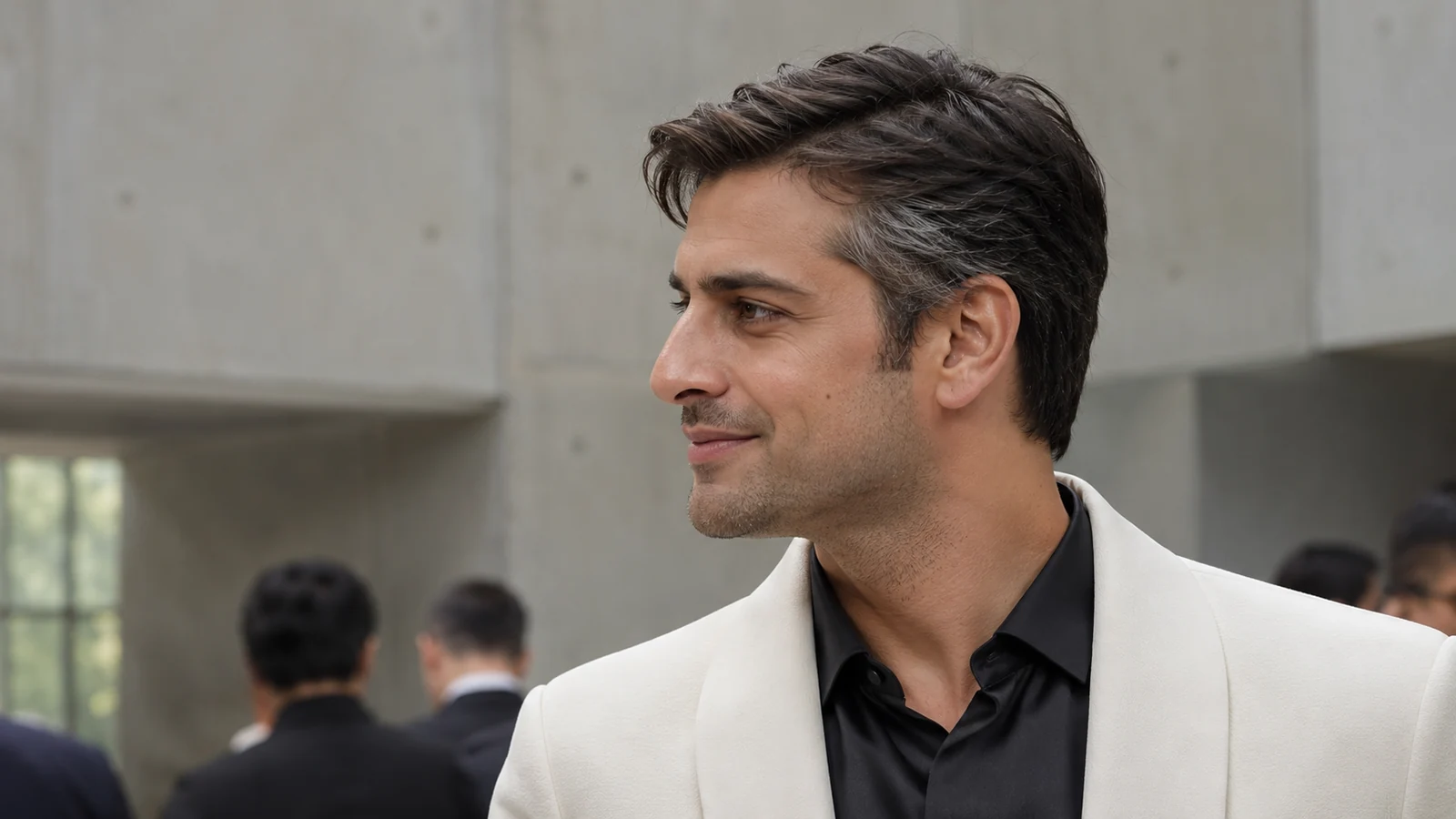
Say how much silver you want to see afterward. “Keep the silver, just soften the contrast” is a better direction than “cover my gray.” If the issue is a line between natural roots and older dark dye, the options in our gray blending guide for dark curls show how placement changes the grow-out.
3. Temporary silver tips on dark hair
For an evening or a trial run, put a little washout silver on the ends of a few curls or waves. Leaving the roots and sides dark makes the effect easier to control. On black hair, a light application can read as pewter in daylight.

Check the label for your starting shade, washout directions, and transfer warnings. A one-day color spray is one example of surface color. Try a hidden section first, especially if the ends are already bleached or porous. A spray can preview the contrast, but it won’t tell you how your hair will lift.
4. Smoky charcoal on a textured crop
Charcoal is a deep, cool gray that still looks dark across the room. On a short crop, a slate-gray top and slightly deeper sides let you see the difference even in daylight. Take a reference photo that shows the dark root as well as the gray ends.
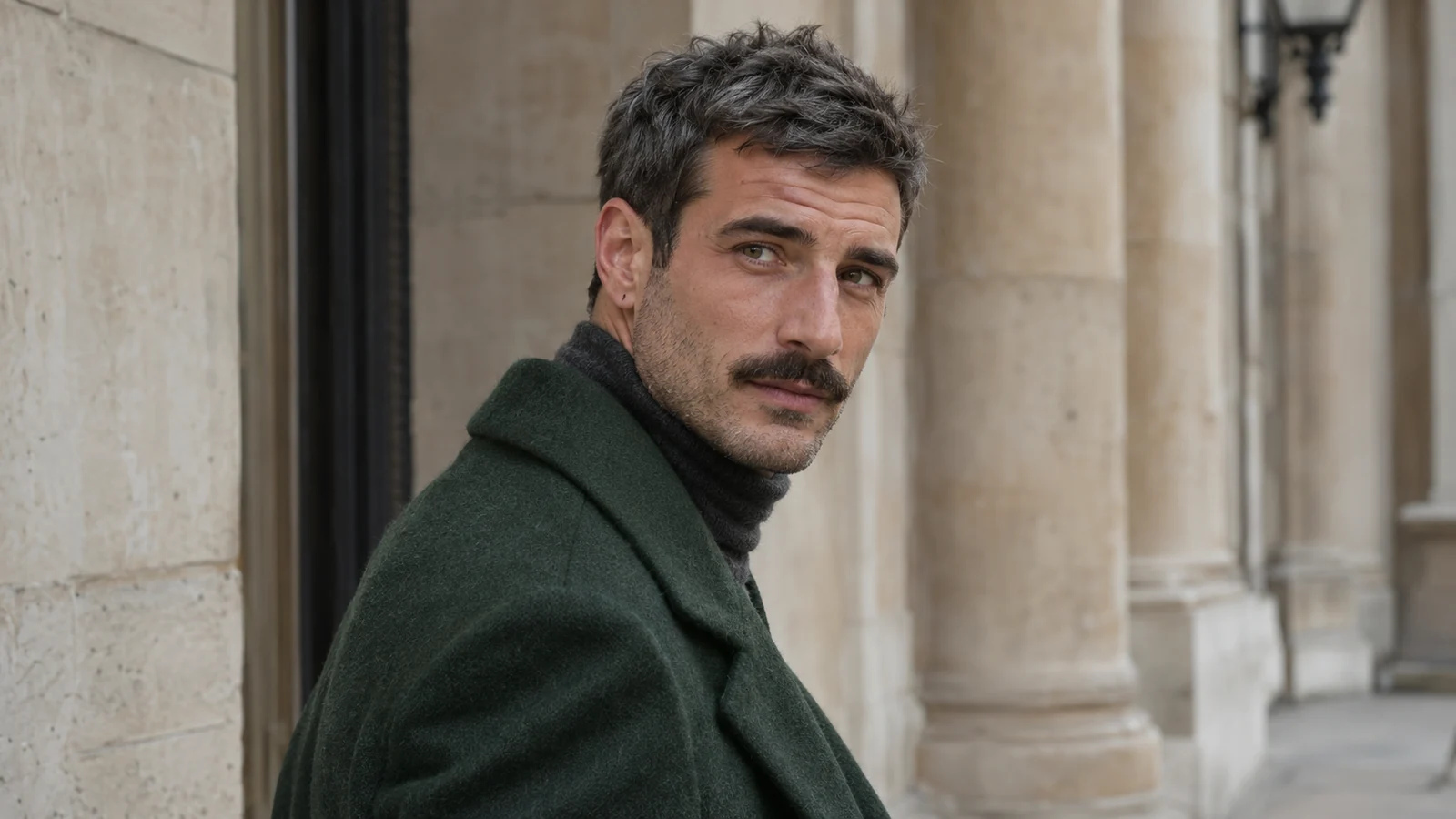
Dark hair can still need lightening for this shade to read as gray. A smoky finish gives a colorist a deeper target than pale silver, but warm or previously dyed sections may lift unevenly. Ask to see what a test strand can reach before you commit to the whole top.
5. Cool silver curls with a dark taper
A silver-gray top over a dark low taper gives short coils or curls a clear outline. Keep the sides dark and put the brighter shade on the longer hair, where the bends catch the light. This shows more silver than frosted tips while leaving less hair to lighten than an all-over color.
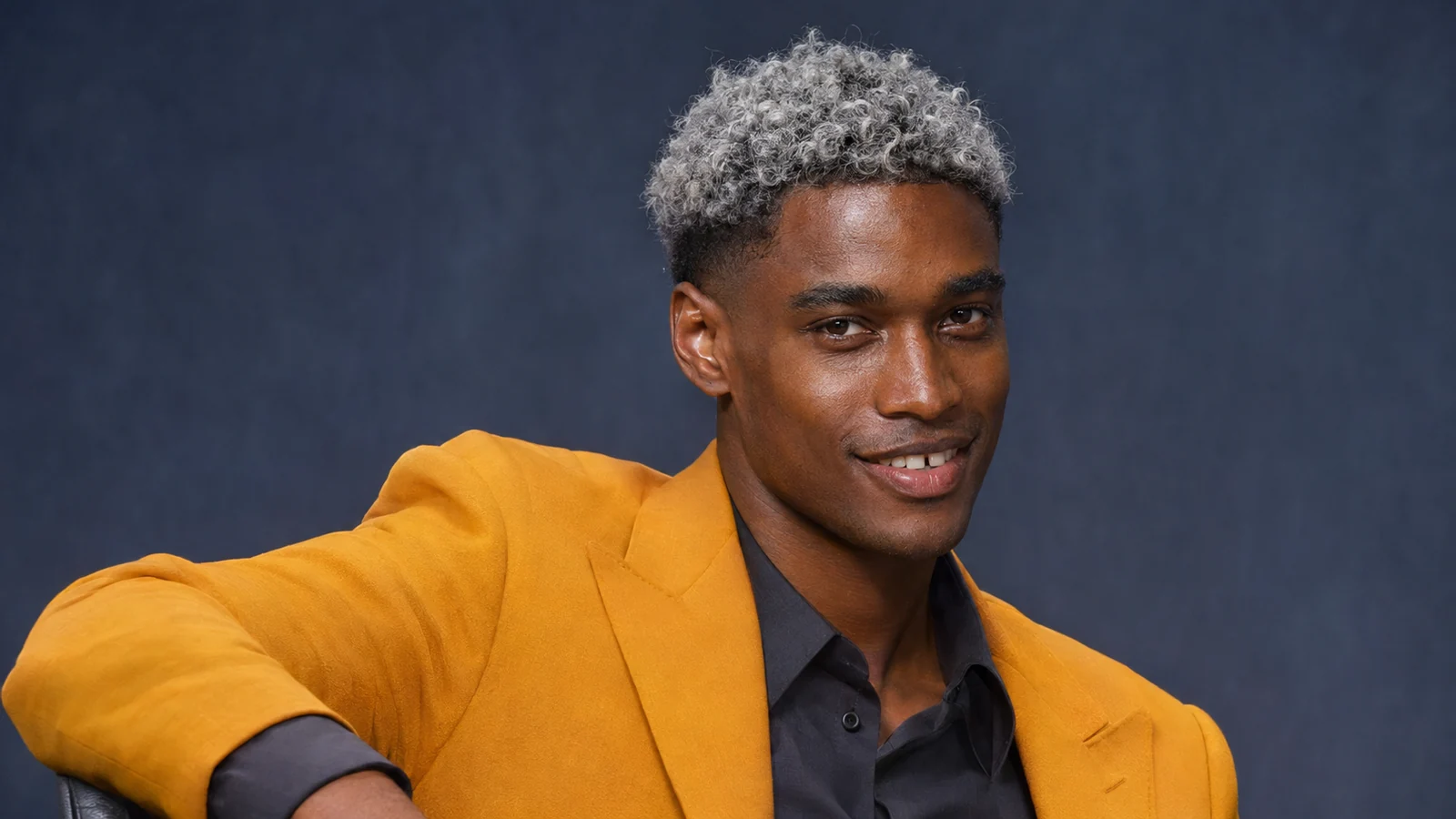
Have the colorist assess the curl pattern and older color on the lengths. If the ends are already fragile, a few lighter curls may be a better first appointment. Our guide to caring for bleached curls explains what to expect from the texture afterward.
6. Platinum-silver on short waves
Platinum-silver is the palest look here. It reads close to white in daylight, with a cool pearl cast. A little length on top gives waves enough room to show the shade. If your roots are dark and you keep your hair short, new growth will show up quickly against that pale finish.
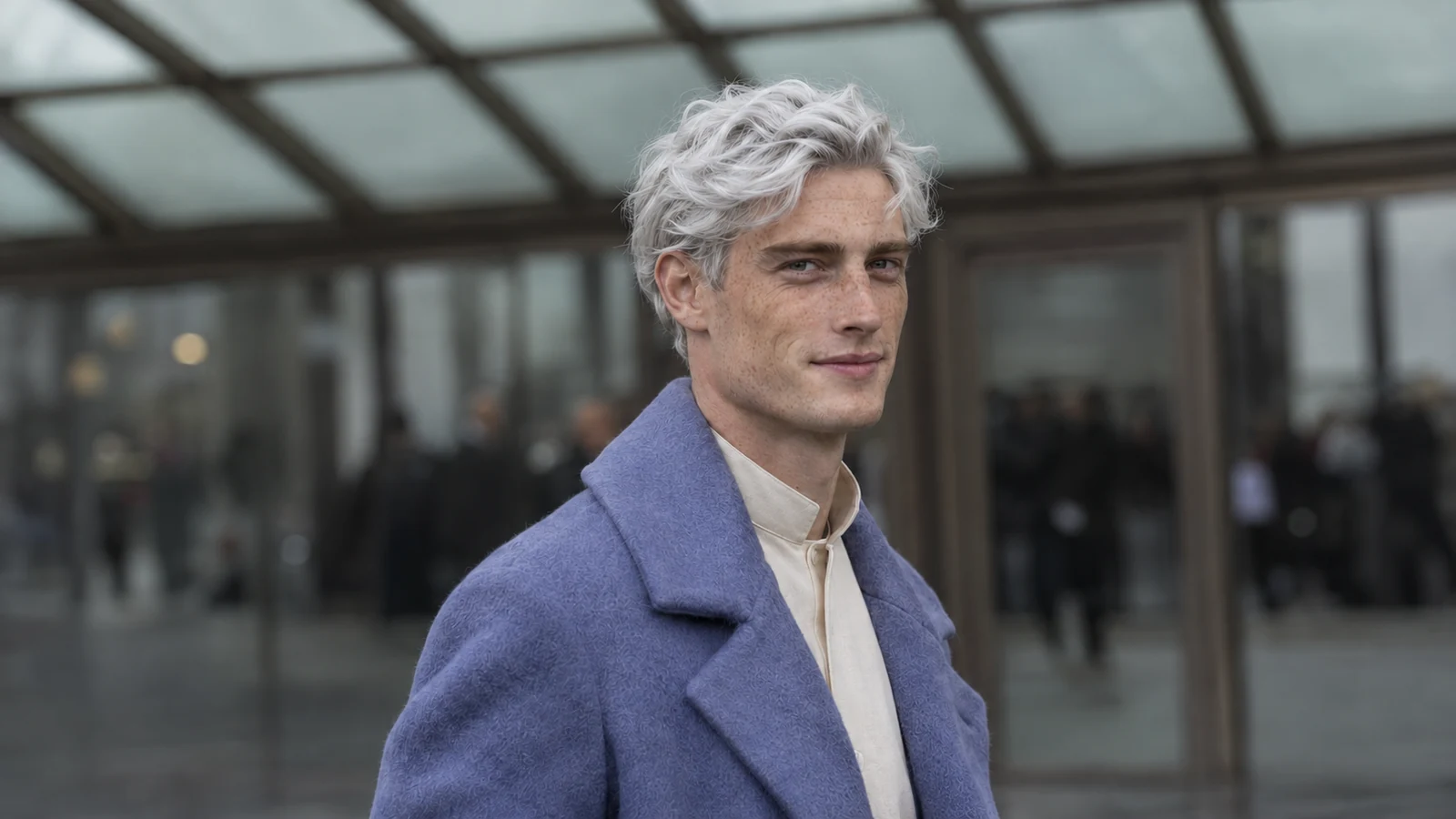
To get an icy result, the hair generally needs to reach very pale yellow before toning. Wella’s professional guide to icy blonde explains why that can take more than one session. If a test strand lifts to orange or feels weak, discuss a deeper shade, less coverage, or holding off. Purple shampoo won’t lift an orange base to platinum.
What to ask before your color appointment
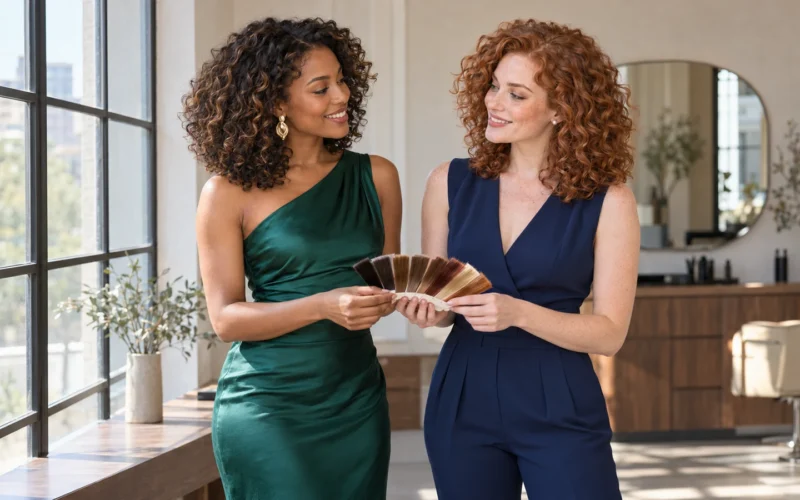
Bring one reference for the shade and another for the cut if you need to. Show the colorist a photo in daylight and point out what matters: dark sides, a soft root, or an evenly pale top. Tell them about old box dye, bleach, relaxers, or perms, even if you only have a little of that hair left.
Ask, “What can this hair reach in one visit, and what will it look like as the toner fades?” Cool pigment can wash away and reveal the warmth underneath; the lightened hair stays lighter until it grows out or is colored again. If the finish turns yellow, Wella’s gray-hair care guide suggests purple shampoo or conditioner for mild yellowing and salon help for persistent or uneven warmth.
Talk through your haircut schedule too. If you trim the top often, you may cut off the colored ends before you need another gloss. For at-home dye, follow the label and the FDA’s patch test guidance. A strand test checks how the hair takes color; a skin patch test checks for a reaction.
The photos illustrate each shade and placement. Use them as visual references when discussing the look with your colorist.