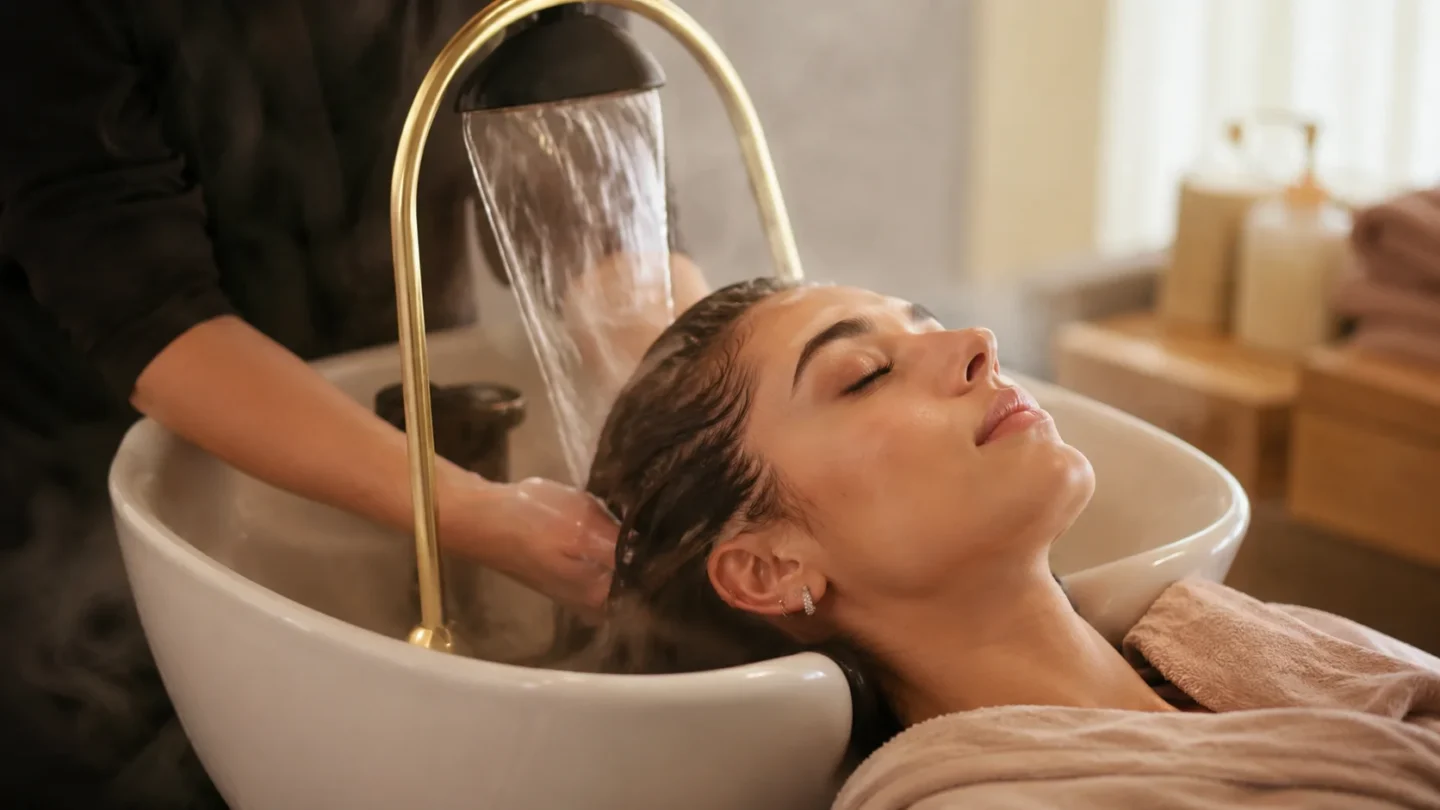
A Japanese head spa is one of those treatments that looks almost unfairly relaxing online. Warm water, scalp massage, steam, someone lying back like their inbox has stopped existing.
It’s not just a fancy shampoo, though. A good head spa is built around the scalp: cleansing it properly, loosening buildup, massaging tension out, then conditioning the hair so you don’t leave with that stripped, squeaky feeling.
The part worth knowing before you book? It can be helpful, but it’s not a cure-all. If your scalp is itchy, flaky, oily or sore, the reason matters.
First, What Does It Cost?
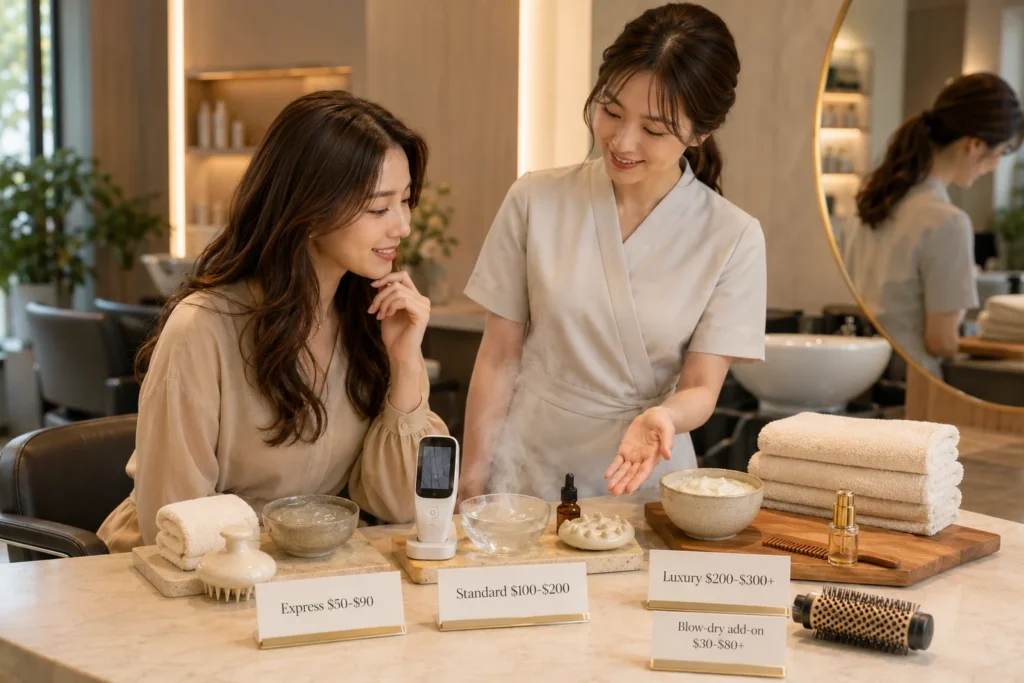
Most people want this answer early, and fair enough. Spa menus can be mysterious in a “why is there no price until checkout?” kind of way.
| Service type | Common price range | What it usually means |
|---|---|---|
| Express scalp cleanse | $50-$90 | Short shampoo, light massage, quick refresh |
| Standard Japanese head spa | $100-$200 | Scalp check, deep cleanse, massage, steam, mask |
| Luxury head spa | $200-$300+ | Longer session, private room, extra tools or premium products |
| Blow-dry add-on | $30-$80+ | Styling after the treatment |
AP News reported that many US head spa sessions run about 60 to 90 minutes and often cost around $100 to $200 per hour. Prices climb quickly in bigger cities, especially if a blow-dry is included.
So the honest answer is: book it when you want both scalp care and relaxation. Don’t book it expecting one appointment to fix a medical scalp problem.
What Actually Happens During the Appointment?
Most Japanese head spas follow the same general path, even if every salon gives it a slightly different name.
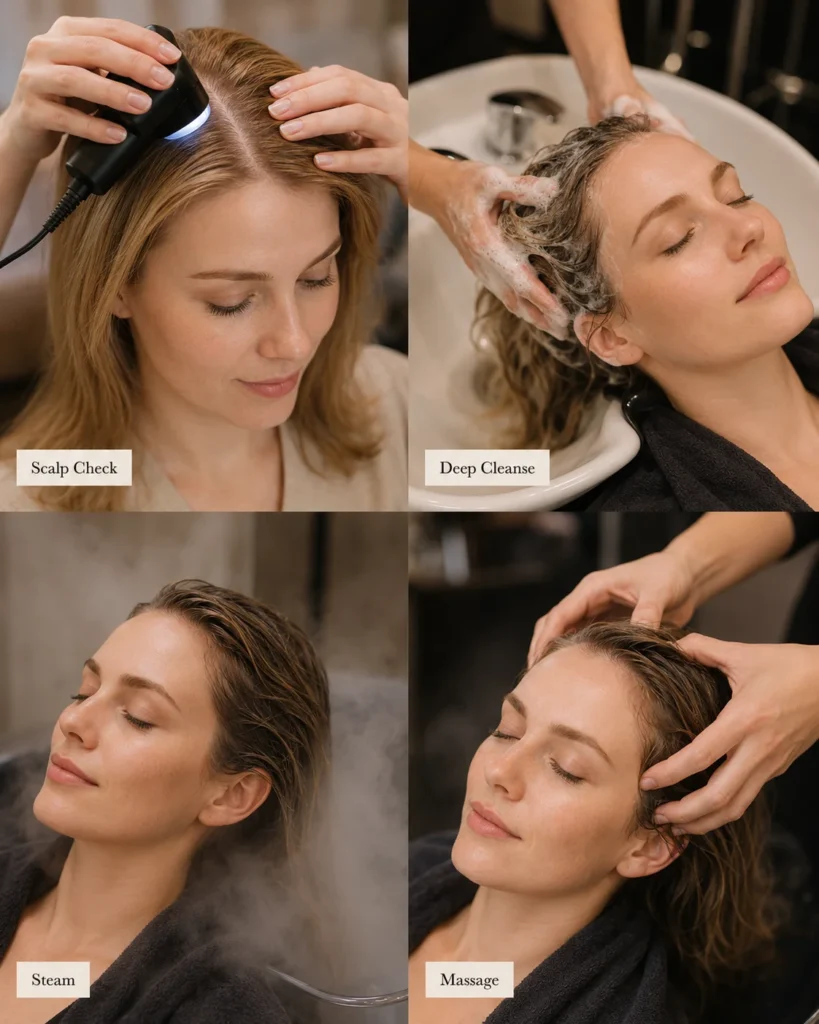
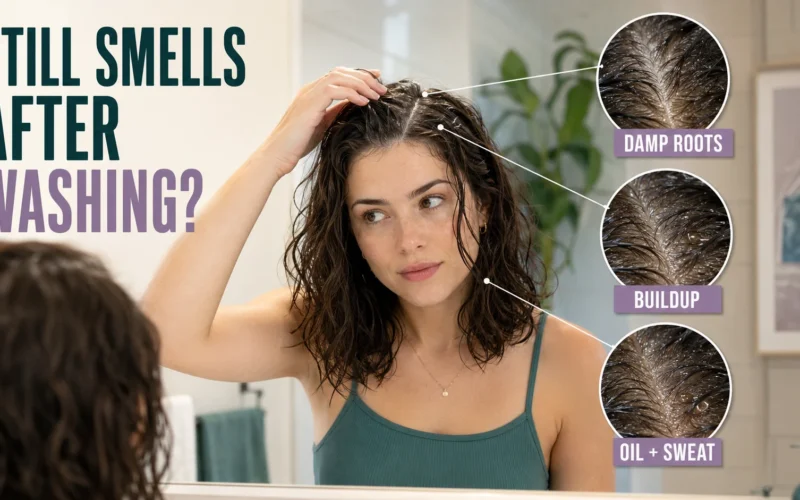
You may start with a scalp check. Some places use a small camera to show oil, flakes or buildup close up. It’s useful, although seeing your scalp magnified can feel a bit personal. Nobody needs their follicles judged in 4K before lunch.
Then comes the cleanse. This is usually more detailed than a normal salon shampoo. The provider works through the scalp carefully, often section by section, to lift oil, sweat, dry shampoo and styling residue.
After that, you may get:
- a scalp scrub or exfoliating cleanser
- warm steam or mist
- a scalp mask or serum
- neck, shoulder and scalp massage
- a rinse with a waterfall-style tool
- conditioner or hair mask
- optional blow-dry
Most head spas include shampoo. Blow-dry is the part you should ask about. Some salons include it, some charge extra, and some leave you damp unless you add styling.
What Are the Real Benefits?
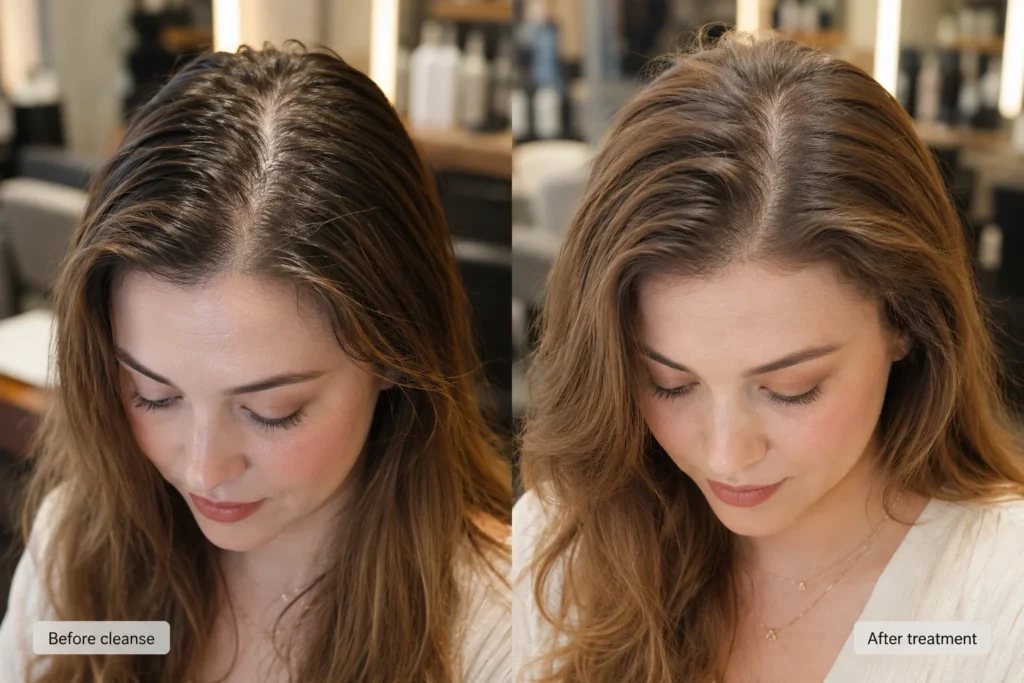
A head spa can make your scalp feel cleaner, lighter and less coated. It can also help your roots look less flat if buildup has been weighing them down.
The strongest benefits are practical:
| If your issue is… | A head spa may help by… |
|---|---|
| Oily roots | giving the scalp a deeper cleanse |
| Product buildup | removing residue from gels, creams, oils or dry shampoo |
| Tight scalp feeling | adding massage and warmth |
| Dull, heavy hair | refreshing the roots and conditioning the lengths |
| Mild flakes from buildup | washing away loose flakes and residue |
Where it gets tricky is hair growth. Massage may feel great and can temporarily increase circulation, but a head spa should not be sold as a guaranteed hair-growth treatment. Mayo Clinic notes that sudden, patchy or unusual hair loss can need medical evaluation.
That distinction matters. Relaxing service? Yes. Miracle regrowth appointment? No.
Can It Help Dandruff?
Sometimes, but only in the right situation.
If the “flakes” are really product residue, dry shampoo, sweat and oil sitting on the scalp, a deep cleanse can make a visible difference. That’s the person who may leave thinking, “Oh, my scalp just needed a reset.”
If the flakes keep coming back, feel greasy, itch badly, or come with redness, a spa treatment probably won’t solve it. Dandruff can be recurring, and Mayo Clinic explains that it often needs ongoing management.
For stubborn flakes, it makes more sense to look at treatment mistakes first. Our guide on why Nizoral may not be working for dandruff covers that better than another luxury rinse would.
Who Should Be Careful?
Skip or delay a head spa if your scalp is actively irritated.
That includes:
- burning
- open sores
- painful bumps
- heavy scaling
- sudden shedding
- unexplained bald patches
- a rash after hair color or products
Also be cautious if you have very fragile, matted, extension-heavy, tightly coiled, bleached or heavily tangled hair. The treatment can still work, but the provider needs to understand your hair before water, massage and friction get involved.
A good booking question is simple:
“Do you regularly work with my hair texture and scalp concern?”
If the answer sounds vague, keep looking. A relaxing appointment should not turn into a detangling emergency with soft music.
Is It Worth It for Curly or Textured Hair?
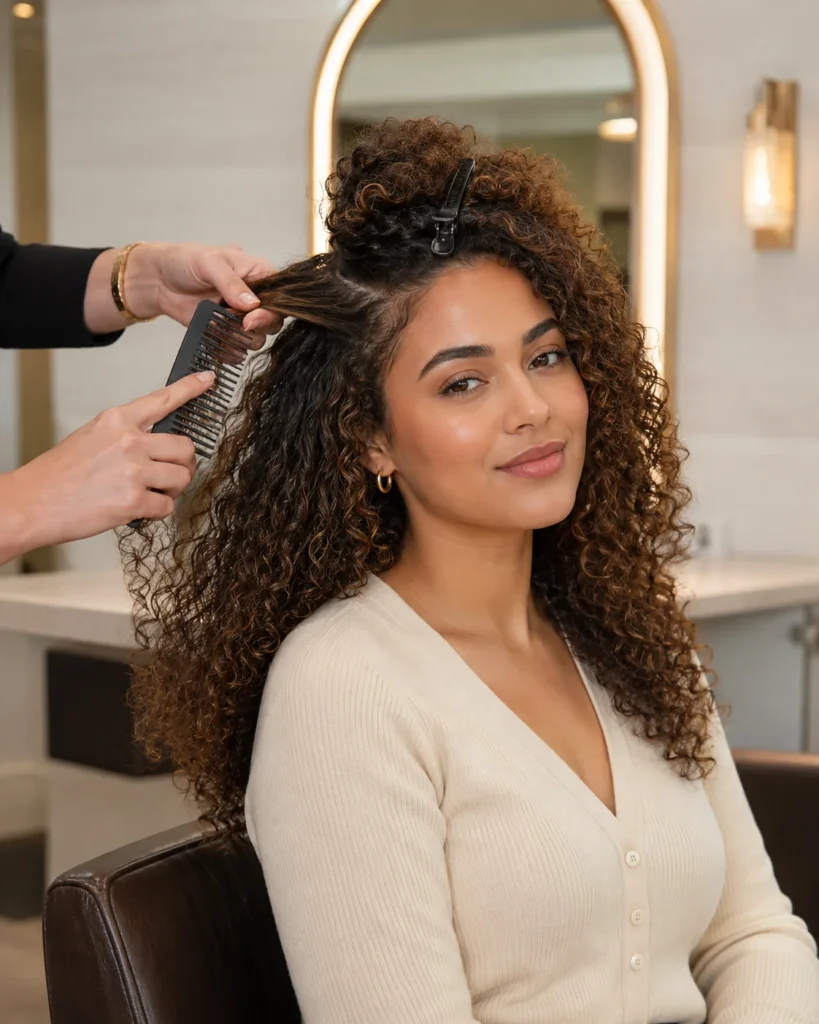
It can be, but the provider matters more than the water feature.
Curly, coily, dense or long hair needs slower sectioning, gentle detangling and the right finishing plan. If the person doing the service treats every head like fine straight hair, that relaxing appointment can turn into knots, frizz and regret.
A head spa is more likely to be worth it if you have:
- buildup from gels, creams, oils or dry shampoo
- oily roots but dry ends
- scalp tightness from styling or tension
- hair that feels heavy even after washing
- mild flakes that seem more like residue than a scalp condition
It is less worth it if you mainly want curl definition. A head spa can clean the base, but your curls still need the right styling routine afterward. For that, our curly hair routine for beginners is more useful than another round of steam.
How Often Should You Get One?
Most people do not need a head spa every week.
For a normal scalp, once every month or two is plenty. If your scalp gets oily fast or you use heavy styling products often, you may like it more regularly. If your scalp is dry or sensitive, less often is usually smarter.
My rule is simple: your scalp should feel better after, not “scrubbed into obedience.”
If you need deep cleansing all the time, the bigger question is why. You might be using too much product, washing too rarely, not rinsing well, or layering oils on a scalp that already produces enough on its own.
Questions to Ask Before Booking
This part saves money and hair.
Ask the salon:
- “Is blow-dry included?”
- “Do you work with curly, coily, thick or extension hair?”
- “What products do you use on sensitive scalps?”
- “Do you use scalp scrubs, acids or essential oils?”
- “Can I skip fragrance or strong exfoliation?”
- “How long is the appointment from start to finish?”
If they seem annoyed by normal questions, that is your answer. Good salons explain the service clearly because they know scalp care is personal.
Can You Do a Head Spa at Home?
A full Japanese head spa is hard to copy at home. You probably do not have the chair, steam setup, scalp camera or someone willing to massage your head for 45 minutes without asking what’s for dinner.
But you can do a lighter version:
- Brush or detangle before washing.
- Shampoo the scalp carefully with fingertips, not nails.
- Rinse longer than you think you need.
- Use a conditioner or mask on the lengths.
- Massage gently for one or two minutes.
- Clean your brush afterward so old oil and product do not go straight back onto clean hair.
That last step is boring but important. Here’s the guide on how to clean a hairbrush if yours has reached “museum object” status.
At-home scalp care is good for maintenance. A professional head spa is better for the full reset and relaxation piece.
The Booking Verdict
Book a Japanese head spa if you want a cleaner scalp, a relaxing treatment, help with buildup, or a polished self-care appointment before an event.
Skip it, or see a dermatologist first, if your scalp is painful, inflamed, bleeding, shedding suddenly, or covered in stubborn scaling. A spa should not be the first stop for a scalp that is clearly asking for medical backup.
For everyone else, go in with the right expectations.
It may not transform your hair forever. It may not fix every flake. It may not make your scalp a new person with better boundaries.
But a well-done head spa can make your scalp feel lighter, your roots fresher, and your whole head a little less tired. Some days, that is a pretty good result.