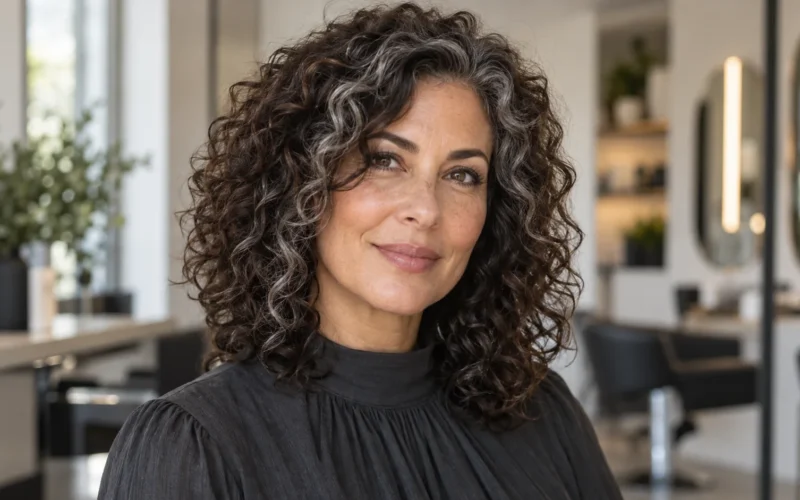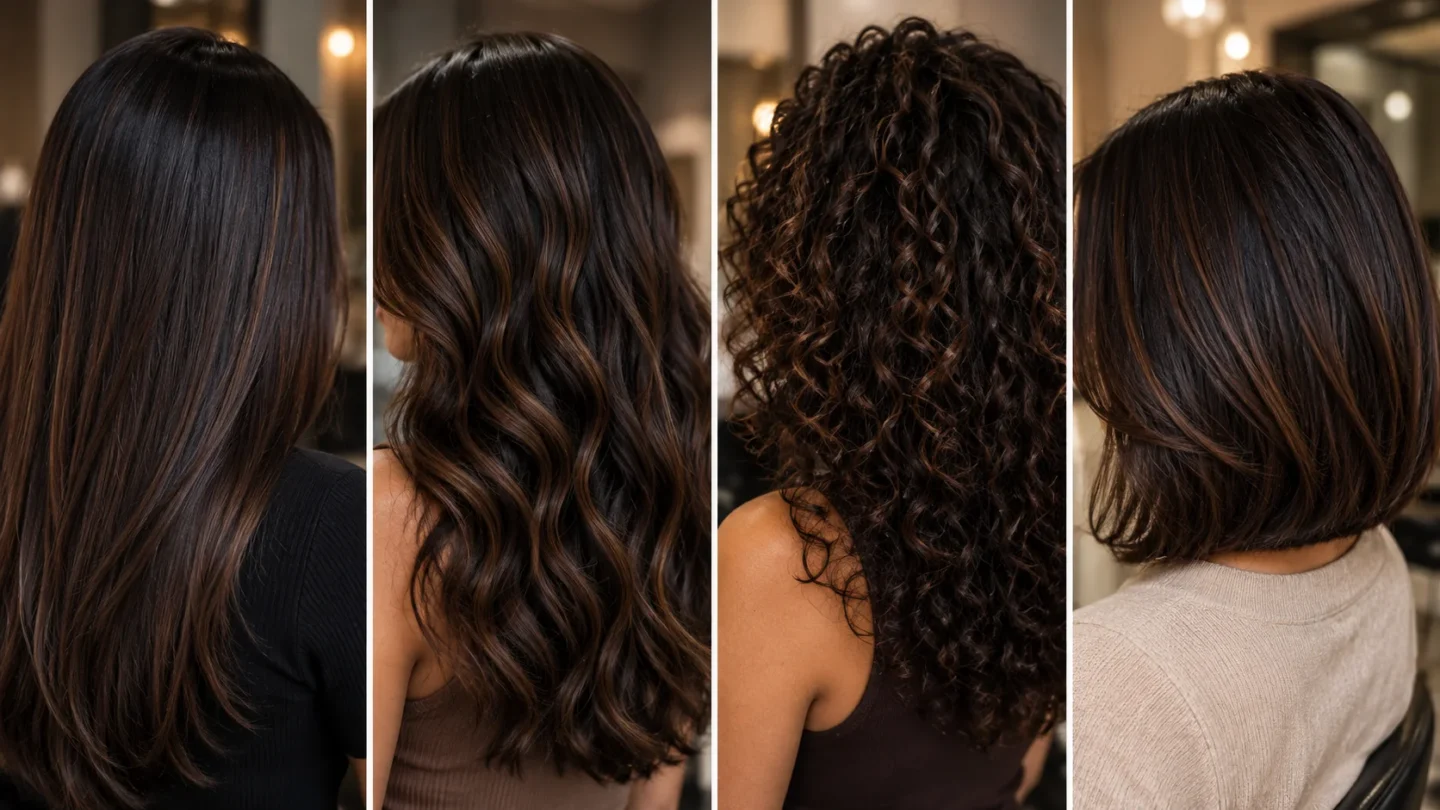
Mocha dark chocolate brown hair lives in a useful middle ground. It’s deeper than an everyday chocolate brown but softer than flat black. In sunlight, the coffee-toned warmth appears. Indoors, the color looks dark, polished and quietly dramatic.
The name can be confusing because “mocha” isn’t one fixed salon formula. Wella describes mocha brown as a medium brunette that can lean cool or warm, from smoky espresso to caramel. Adding “dark chocolate” tells your colorist that you want more depth, but a reference photo is still essential.
My interest here is the visual side: which version keeps its dimension, which can disappear into black, and how the color changes across straight, wavy, curly and coily hair.
1. Neutral Dark Mocha From Root to Tip
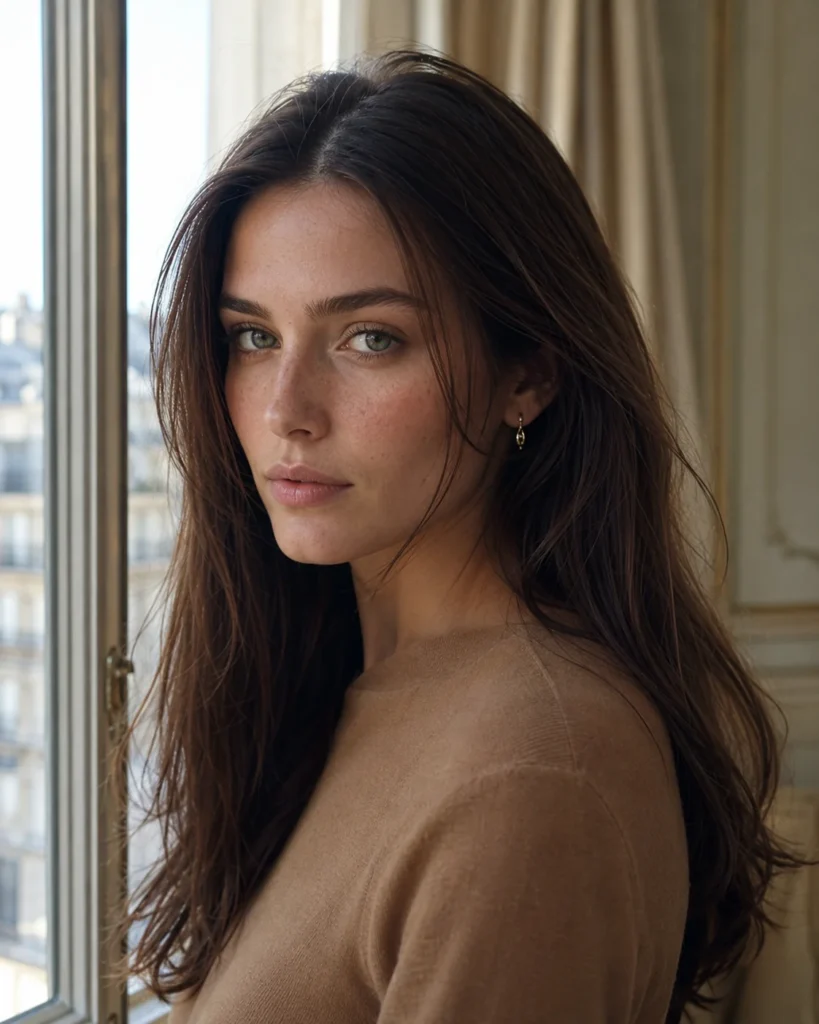
The simplest version is also one of the easiest to wear. A neutral dark mocha uses one dominant brunette tone without obvious highlights, red reflections or an inky black finish.
It’s a sensible choice if you want richer color but don’t want your next six months organized around salon appointments. The grow-out is especially subtle when your natural hair is already medium or dark brown.
Bring a photo taken in daylight and ask for a deep, neutral mocha that still shows brown indoors. Otherwise, “dark” can travel farther than expected. Salon lighting has fooled better people than us.
This color looks sleek on straight hair, while waves and curls create their own shifts of light across the surface.
2. Espresso Mocha on Long, Straight Layers
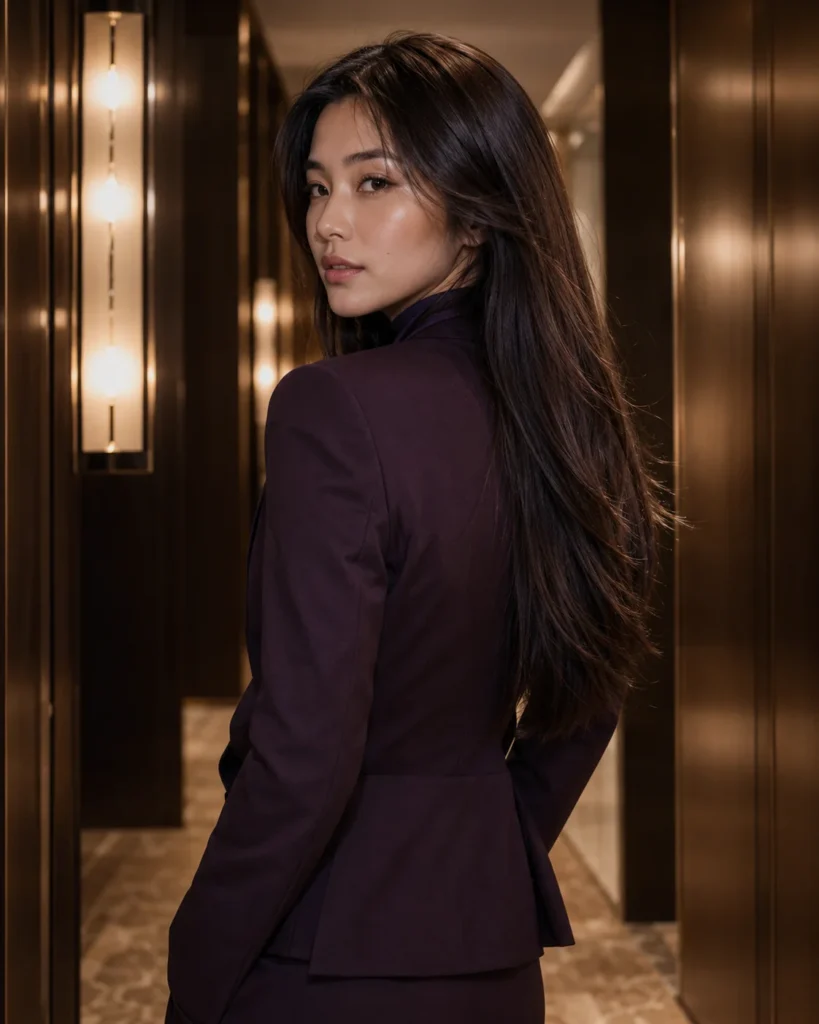
Espresso mocha sits at the darkest end of the range. It may look almost black in a dim room, but natural light should reveal a soft coffee-brown reflection.
Long layers help here. They stop such a deep color from looking like one heavy block, particularly on thick, straight hair. A gloss can increase shine, but shine shouldn’t be mistaken for dimension. The cut and subtle tonal variation still matter.
This is a bigger commitment for naturally blonde or light-brown hair because the contrast at the roots will be noticeable. If you’re unsure, try a demi-permanent consultation before choosing permanent color.
3. Fine Mocha Ribbons Through Wavy Hair
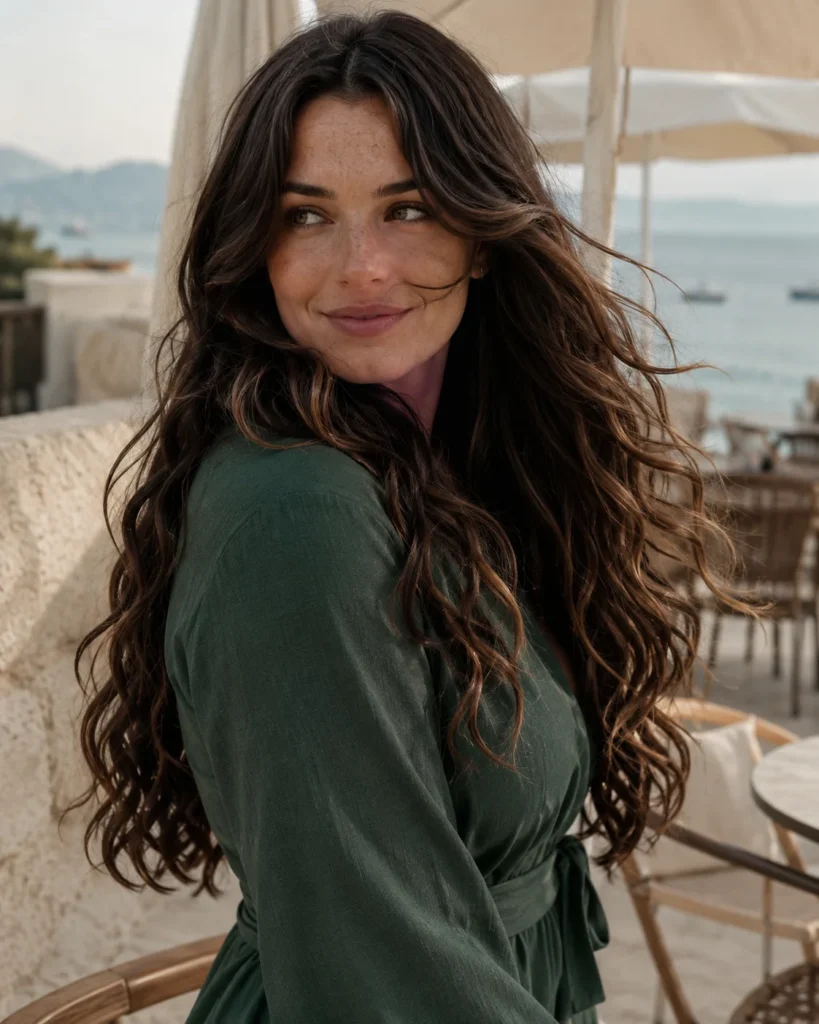
Not quite highlights, not quite an all-over change. Fine mocha ribbons sit only a little lighter than the dark base, adding movement without turning caramel or blonde.
The low contrast makes them particularly flattering on naturally wavy hair. The lighter brown appears along each bend, then slips back into the deeper base. It looks dimensional without announcing exactly where every section begins.
Ask for very fine, blended pieces through the mid-lengths and ends. Leave the root close to your natural shade if softer regrowth matters to you.
This is also a useful alternative for anyone who likes caramel highlights on dark brown hair but wants something darker and less golden.
4. Curl-Painted Mocha Balayage
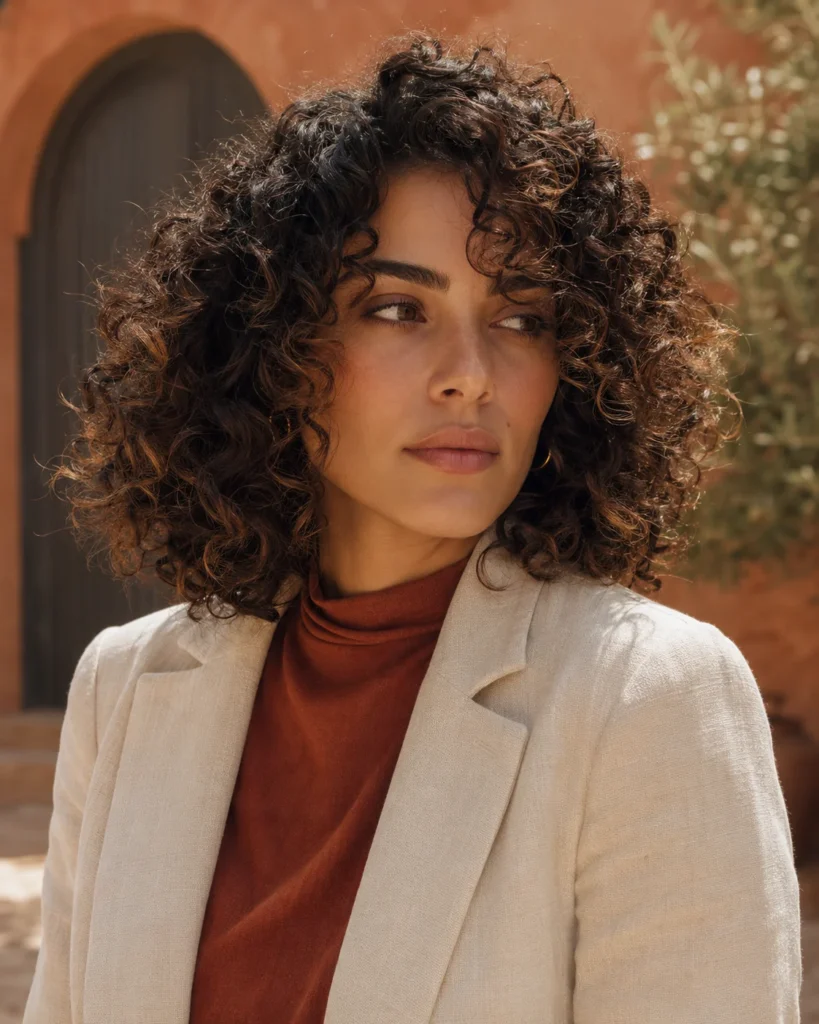
Balayage on curls needs thoughtful placement. Random lightened pieces can disappear into the interior of the hair or gather in one area after the curls shrink.
A better result places mocha through selected curls that remain visible when the hair is dry and naturally styled. The contrast should be gentle: a dark chocolate base with slightly lighter mocha pieces, rather than bright caramel streaks.
Take photos of your usual curl pattern to the appointment, not only pictures of freshly stretched or blown-out hair. Your colorist needs to see where the curls actually sit.
This look gives more visible movement than an all-over shade, but any lightening can increase dryness or fragility. The amount of processing should depend on the starting color and condition of your hair, not simply the curl type.
5. A Mocha Gloss Over Black or Near-Black Hair
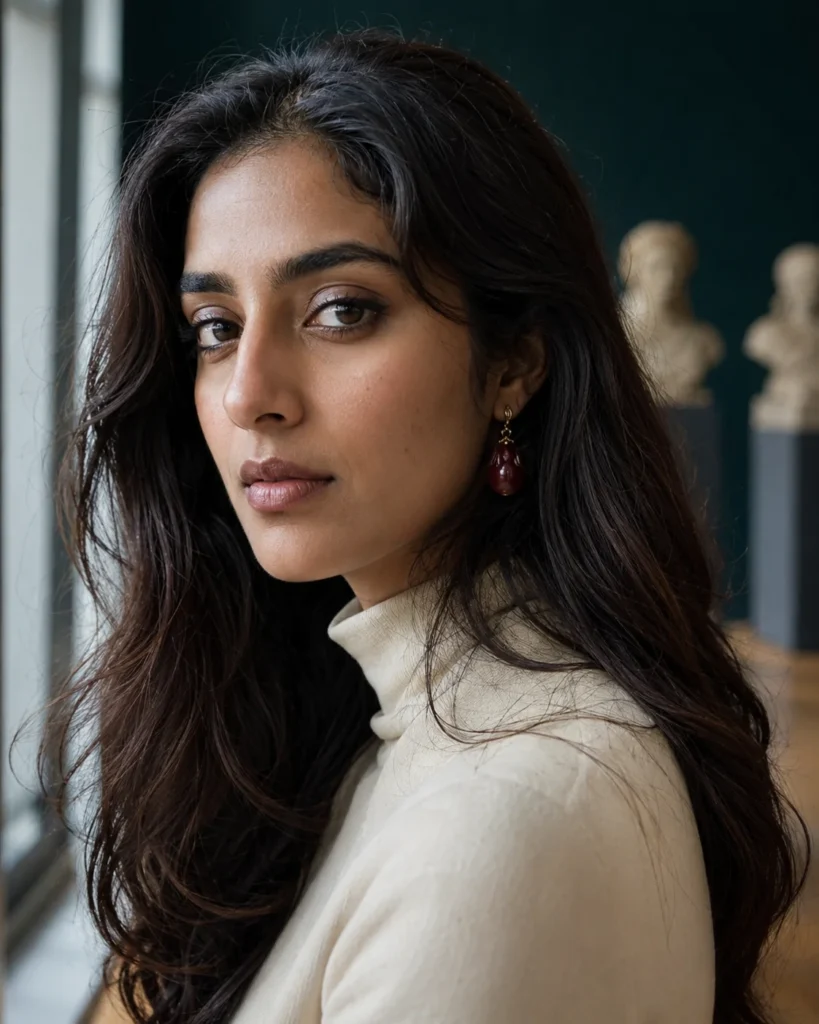
Very dark hair doesn’t always need extensive lightening to join the mocha family. A tinted gloss can add a brown reflection and polished finish while keeping the natural depth intact.
The change is subtle. Under indoor lighting, the hair may still appear black. Outdoors, the mocha tone becomes easier to see. That’s the appeal, not a failed transformation.
A gloss won’t create bright highlights or dramatically lighten untreated black hair. Choose this version if you want a restrained shift, not a visible brown makeover.
For stronger contrast, a colorist may suggest fine mocha ribbons instead. That involves a different process, so decide how noticeable you want the result before the appointment.
6. A Rooted Mocha Melt for Softer Grow-Out
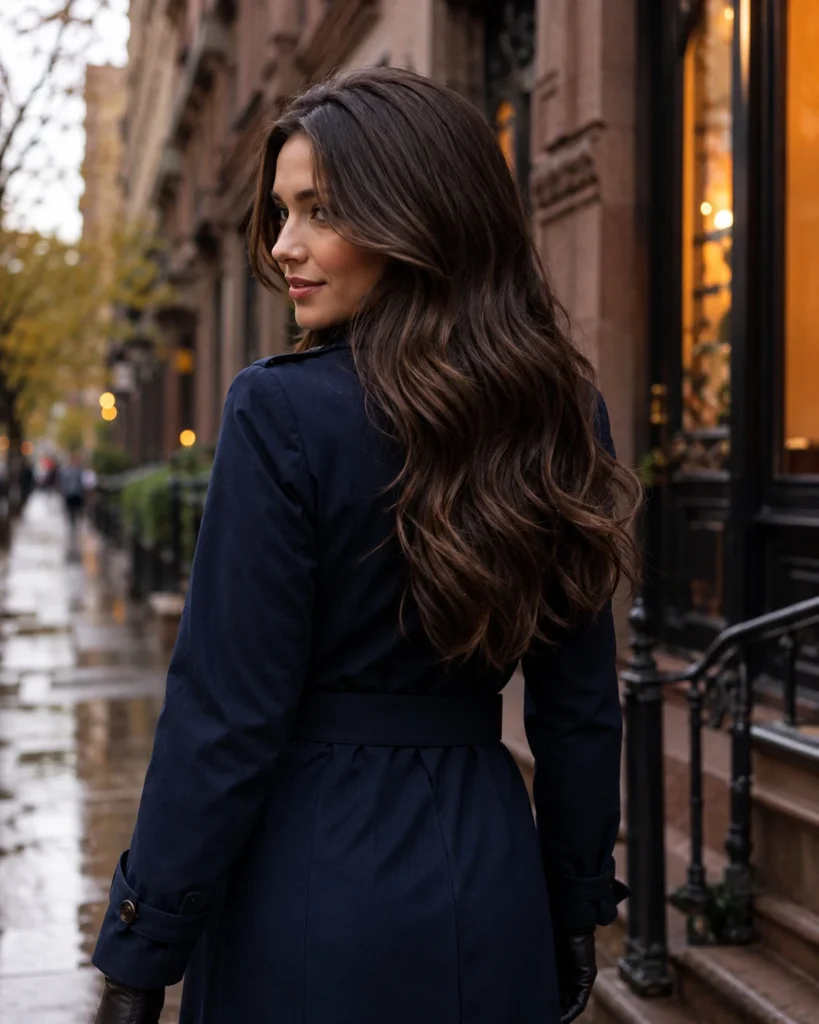
A mocha melt begins with deeper roots and gradually softens through the lengths. There shouldn’t be a stripe where one brown ends and another begins.
It works well for people who want dimension without frequent root appointments. Keeping the root near the natural color allows new growth to blend into the design rather than interrupt it.
On wavy hair, the transition looks relaxed and fluid. Straight hair reveals the blend more clearly, which means a careful application matters. Curls can carry a slightly stronger contrast because the pattern breaks up the color naturally.
Ask to keep the ends within the brunette range. If they become too light or golden, the result moves closer to caramel balayage than mocha dark chocolate.
7. Cool Mocha Brown Without the Red Cast
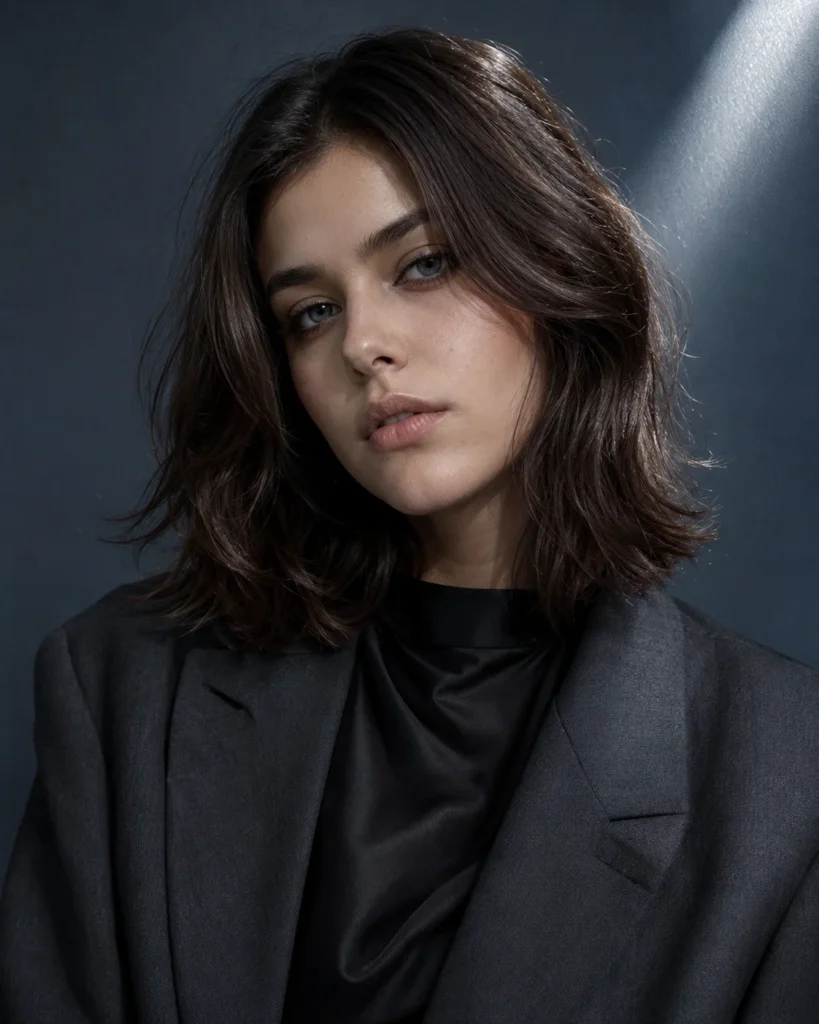
Some brunette colors reveal red or orange tones as they fade. If that isn’t the look you want, choose a cooler mocha with neutral or softly smoky undertones.
Be precise at the salon. “Ash” alone can produce a result that feels dull or grey, particularly on porous ends. A balanced neutral mocha is often more wearable than the coldest shade on the chart.
Correcting unwanted warmth requires the right toner or color formula. Lowlights can add depth, but they don’t automatically remove brassiness. Matrix’s guide to toning explains how different pigments neutralize yellow, orange and red undertones.
8. Warm Chocolate Mocha
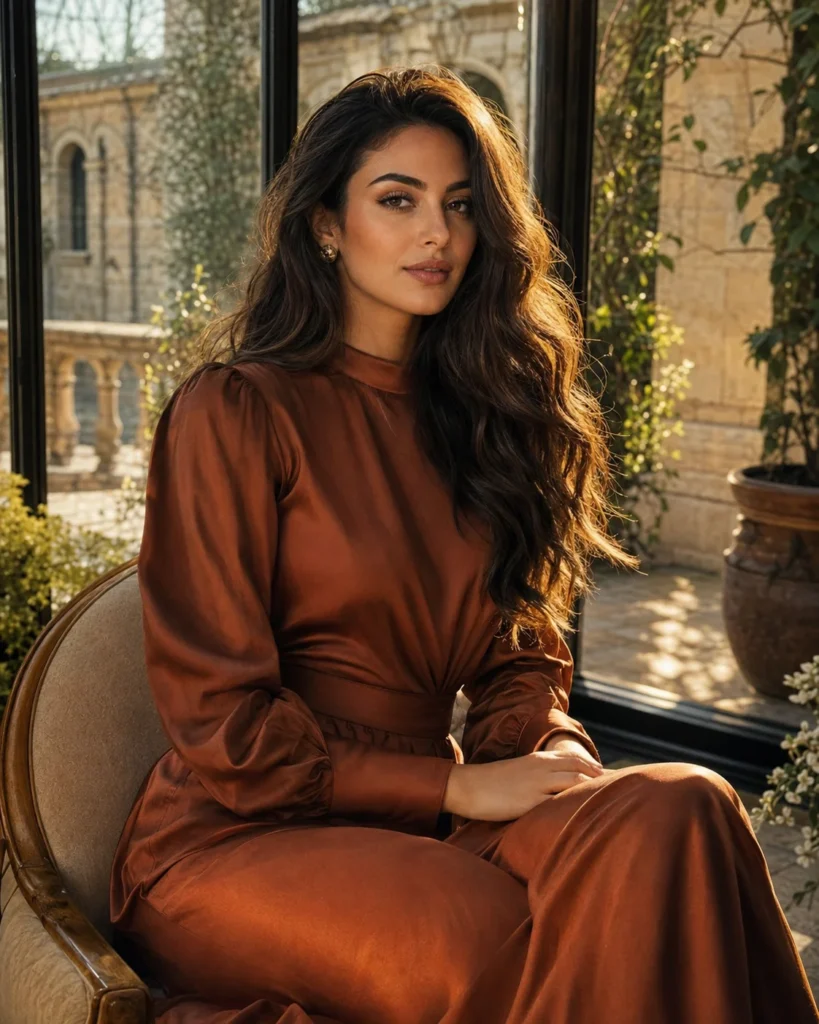
This version allows some golden or soft reddish warmth to remain. It feels more like melted chocolate than smoky coffee and looks especially lively in sunlight.
Warm mocha is worth considering if cool brunette shades tend to look flat against your complexion or if your natural brown already carries warmth. It also fades more gracefully for some people because the returning gold or red tones feel intentional.
Keep the warmth controlled. If the color becomes noticeably copper or burgundy, it has wandered into another color family. Beautiful, yes. Mocha, not quite.
9. Mocha Face-Framing Pieces
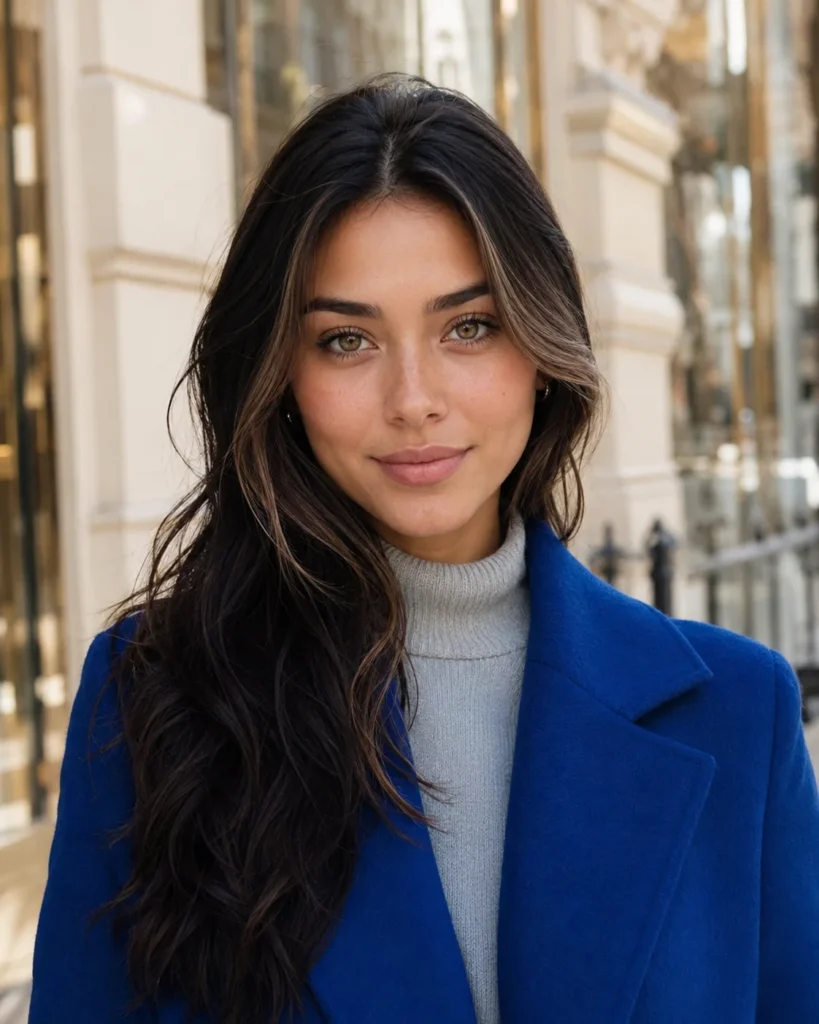
A few mocha pieces around the face can refresh medium or dark brown hair without changing the entire head.
The difference between this and a bold money piece is contrast. Mocha framing should sit close to the base color, gently outlining the cheekbones and front layers rather than creating two bright stripes.
Fine placement suits a subtle result. Wider sections will be easier to see in photos and on thick hair, but they also need more upkeep. Ask your colorist how the pieces will look when you wear your hair naturally, especially if the front sections curl or shrink.
10. Glossy Mocha on a Bob or Lob
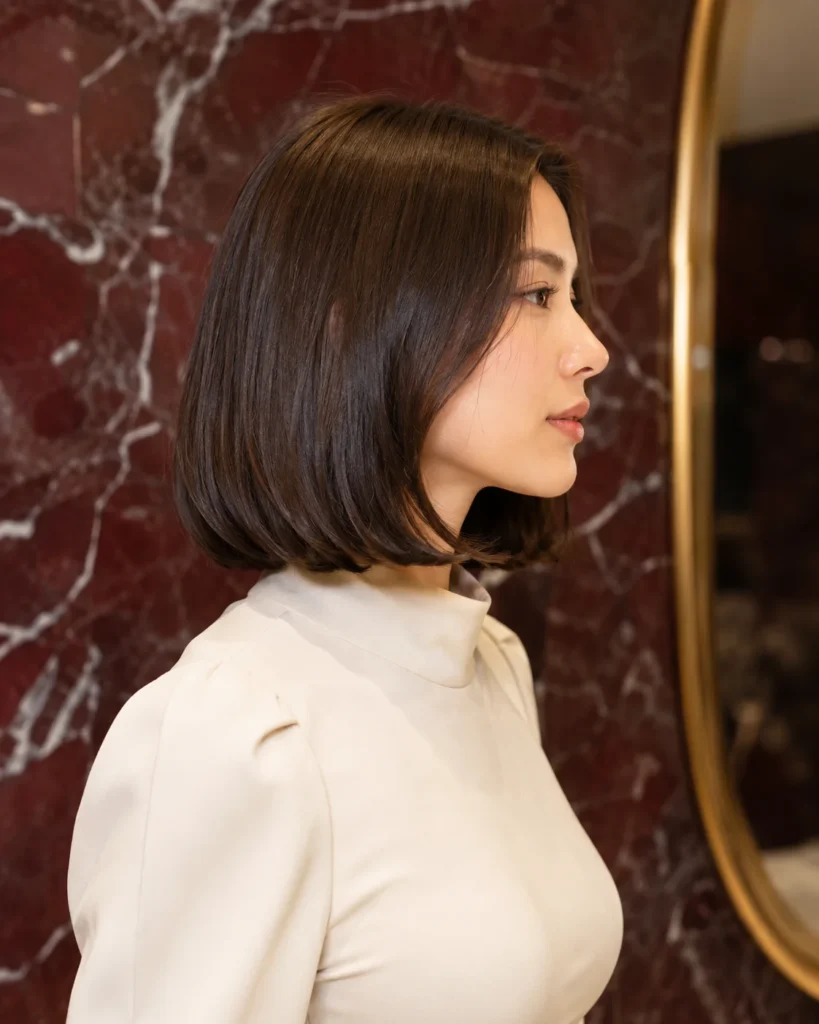
A bob gives deep mocha color nowhere to hide. That’s rather the point.
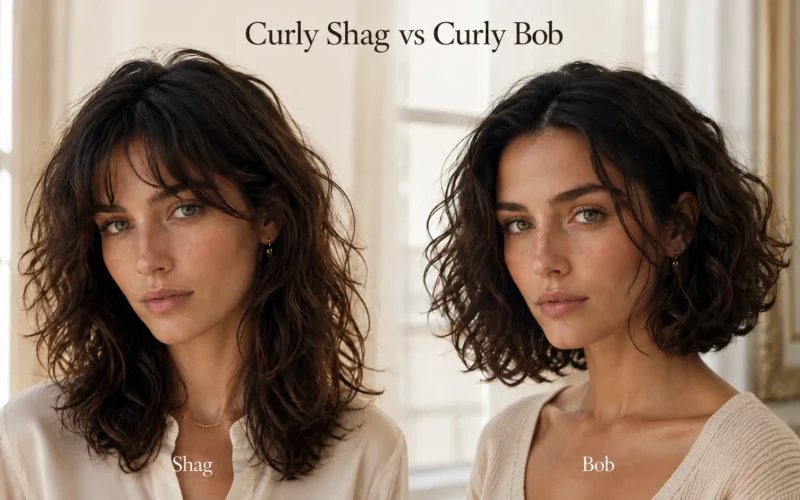
The shorter shape puts the shine, outline and condition of the hair in full view. A blunt bob makes the shade feel sharp and polished, while a layered lob gives dark brown more movement.
This pairing works across textures. Straight hair shows the clean shape, waves soften it, and curls prevent the deep color from appearing too solid. If the cut is heavily layered, keep enough tonal consistency so the color doesn’t look busy.
11. Dimensional Mocha on Coily Hair
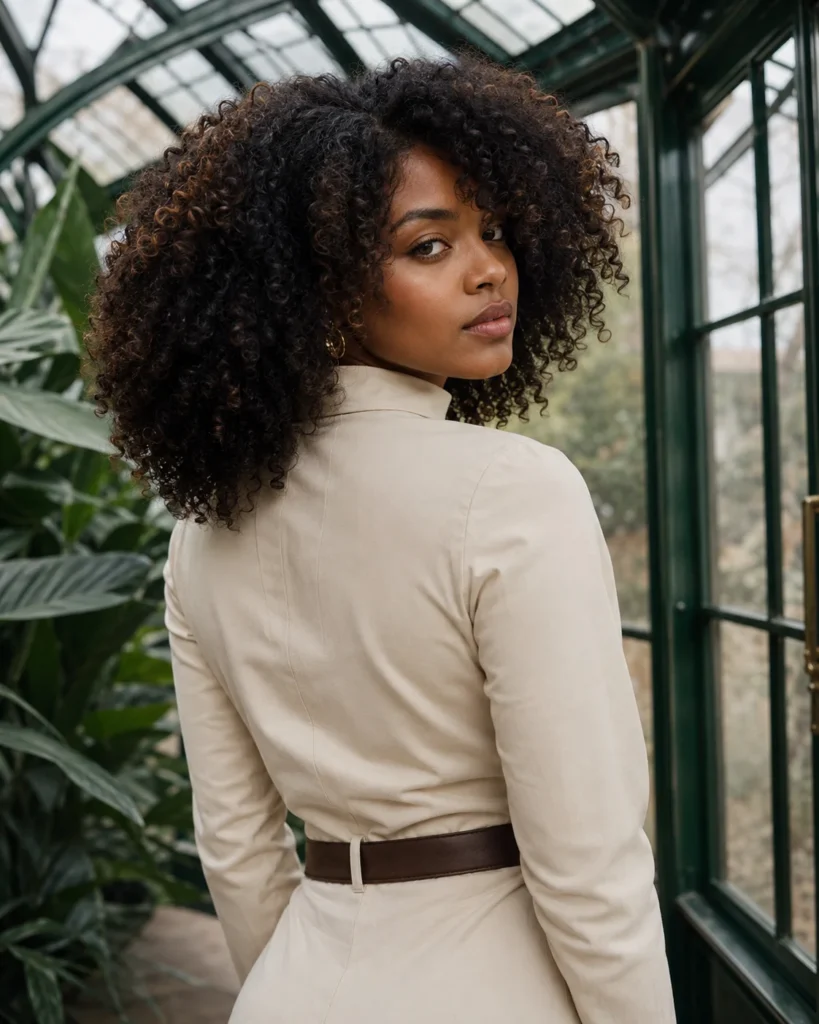
On coily hair, subtle color can become surprisingly visible because the outer curves catch light while the interior stays deep.
An all-over mocha gloss is the gentler option. For more definition, a colorist can place a small number of lighter mocha sections on curls that sit near the surface. The goal is to reveal the pattern, not outline every coil.
Lightening previously colored or fragile hair deserves caution. The American Academy of Dermatology advises staying reasonably close to the natural shade when possible because greater lightening generally requires stronger processing.
Which Mocha Look Fits What You Want?
| Your priority | Best place to start |
|---|---|
| Minimal upkeep | Neutral all-over mocha or a rooted melt |
| Almost-black depth | Espresso mocha |
| Subtle movement | Fine mocha ribbons |
| More visible curl definition | Curl-painted mocha or selective pieces |
| No major lightening | Mocha gloss |
| A cooler result | Neutral-cool mocha |
| A small change near the face | Mocha face-framing pieces |
What to Tell Your Colorist
“Mocha” can mean different things across salons and color brands. A photograph taken in ordinary daylight will communicate more than a string of coffee-shop adjectives.
Explain three things:
- How dark you want the hair to look indoors
- Whether you want warm, neutral or cool reflections
- How much contrast you want through the lengths
A useful request might be:
“I want a deep chocolate-brown base with neutral mocha dimension. It should still look brown indoors, without strong red or caramel tones.”
Bring more than one reference image if possible. One should show the color in daylight, while another should resemble your natural texture and starting shade.
Is Mocha Dark Chocolate Brown Hair Low Maintenance?
It can be. An all-over shade close to your natural brunette, a gloss or a rooted melt usually grows out more quietly than lighter balayage or face-framing pieces.
The maintenance rises when the desired color is much darker than your natural hair, requires lightening, or has a very cool tone that needs regular refreshing.
Coloring can also leave hair feeling drier, particularly when lightener is involved. Curly and coily hair already tends to need more moisture, according to dermatologist guidance from the AAD. Use a routine suited to the actual condition of your hair rather than assuming every colored curl needs the same products. Hair that absorbs color quickly or fades unevenly may also benefit from understanding the difference between high and low porosity hair.
The Shade Is Only Half the Decision
Mocha dark chocolate brown hair can be soft, smoky, warm or nearly espresso. The best version isn’t simply the prettiest saved photograph. It’s the one that works with your starting color, natural texture and tolerance for upkeep.
Choose the depth first. Decide how much contrast you want second. Then let the reference pictures settle the mocha debate, because “coffee brown, but expensive” is not technically a color formula.