
Nizoral Anti-Dandruff Shampoo with Ketoconazole 1%
Some links on this page go to retailer or brand websites. If you buy through them, Hair Is Curly may earn a commission at no extra cost to you.
Based on your standing product page format for hairiscurly.com, here’s the product description following the strict tab structure:
What It Is
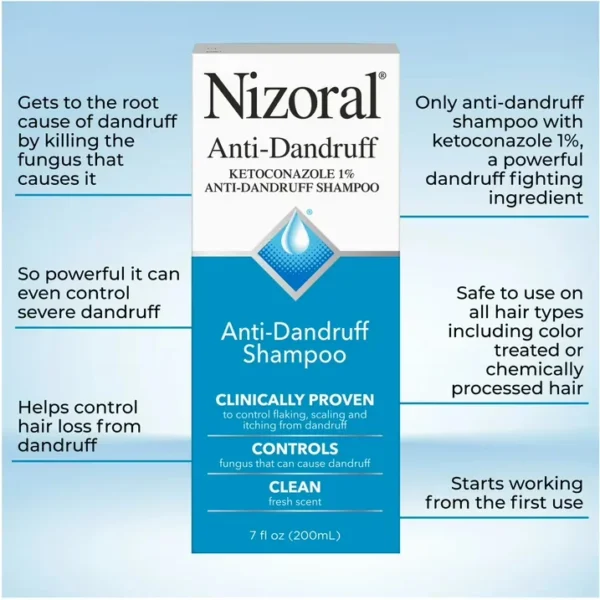
Most dandruff shampoos wash away flakes and call it a day. Nizoral works differently. Its active ingredient, ketoconazole at 1% concentration, is an antifungal compound that targets Malassezia, the yeast-like fungus responsible for dandruff in the first place. Instead of masking symptoms, it disrupts the fungal cell membrane, reduces overgrowth, and calms the scalp response. This is the only OTC shampoo with ketoconazole 1%. 7 fl oz (200 mL).
Key Benefits
- Attacks dandruff at the root cause, not just the visible flaking
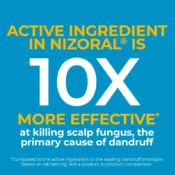
- Clinically proven to outperform zinc pyrithione and selenium sulfide in published research
- Safe for color-treated and chemically processed hair
- Only needs to be used twice a week between your regular shampoo
- Shows potential secondary benefits for hair density based on emerging trichology research
Why It Works
Dandruff isn’t a hygiene problem. It’s a fungal one. Malassezia lives on every scalp, but when it overgrows, it triggers inflammation, itching, and flaking. Ketoconazole 1% specifically targets that fungus.
- Research in the Journal of Dermatological Treatment found ketoconazole demonstrated consistent efficacy against dandruff and seborrheic dermatitis compared to other active ingredients
- Multiple double-blind, randomized studies have confirmed its clinical superiority over common alternatives
- NIH-published research showed topical ketoconazole stimulated significant hair growth in animal models, and a separate clinical study found 2% ketoconazole showed trichogenic effects in female pattern hair loss patients
- The 1% OTC concentration in Nizoral is lower than study doses, but findings suggest potential benefits beyond dandruff control alone (FDA-approved for dandruff only, not hair loss)
That combination of antifungal action and emerging hair density research is what sets Nizoral apart from every other drugstore dandruff shampoo.
Who Should Use It
- Anyone dealing with persistent dandruff that hasn’t responded to zinc pyrithione or selenium sulfide shampoos
- People noticing greasy, yellowish flakes concentrated around the hairline and behind the ears, which often signals fungal involvement
- Those who want a targeted treatment they can rotate into their existing wash routine without overhauling it
- People with color-treated or chemically processed hair looking for an effective dandruff solution that won’t strip their color
How It Fits in Your Routine
- Use Nizoral just twice a week in place of your regular shampoo on wash days
- On non-Nizoral days, continue with your usual sulfate-free or gentle cleanser
- Lather into wet hair, let it sit on the scalp for 3 to 5 minutes to allow the ketoconazole to work, then rinse thoroughly
- Follow with your regular conditioner from mid-lengths to ends
- The formula rinses clean with a neutral scent that won’t interfere with your other products
What Results to Expect
With regular use, your scalp experience becomes:
- Noticeable reduction in visible flaking within the first 2 to 4 weeks
- Less itching and irritation as Malassezia populations decrease
- Calmer, less inflamed scalp over time
- Cleaner-feeling hair between washes without residue buildup
- Potential improvements in hair density with continued long-term use, based on emerging research
Ingredients
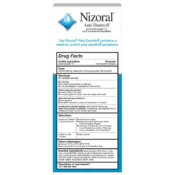
Active Ingredient: Ketoconazole 1% (Anti-Dandruff)
Inactive Ingredients: Benzyl Alcohol, BHT, Blue 1, Citric Acid, Cocamide MEA, Fragrance, Glycol Distearate, Hydrochloric Acid, Hydroxypropyl Methylcellulose, Polyquaternium-7, Sodium Benzoate, Sodium Chloride, Sodium Cocoyl Sarcosinate, Sodium Hydroxide, Sodium Laureth Sulfate, Tetrasodium EDTA, Water
How to Use
- Wet hair thoroughly and apply to scalp
- Massage into lather and leave on for 3-5 minutes
- Rinse thoroughly and follow with conditioner
Frequency: Twice a week for up to 8 weeks, then as needed. Not for daily use. Avoid broken or inflamed scalp. If no improvement in 2-4 weeks, see a dermatologist.
Reviews
There are no reviews yet.